





Victorian Turned Column Table
When you handle a victorian turned column table, you hold a piece of nineteenth-century craftsmanship built around a central turned support.
Victorian Turned Column Table
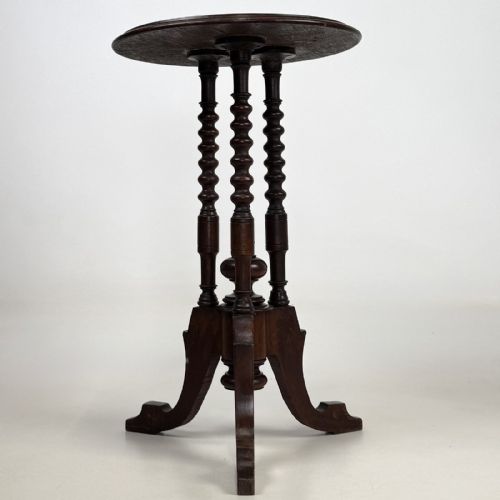
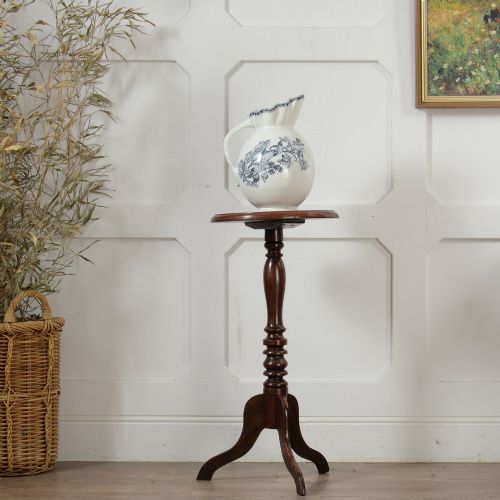
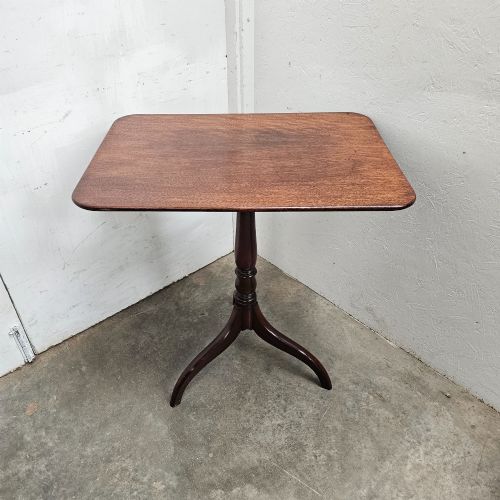
A victorian turned column table centres on a central vertical wooden pillar supporting a top used for wine, lamps, or games. These pieces appear frequently from the nineteenth century in forms such as occasional tables, wine tables, and centre tables.
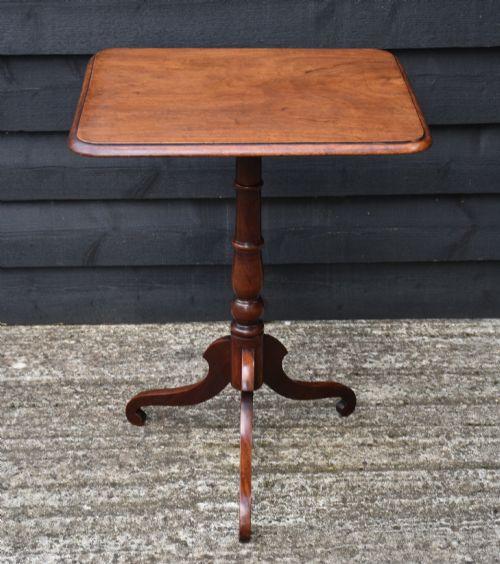
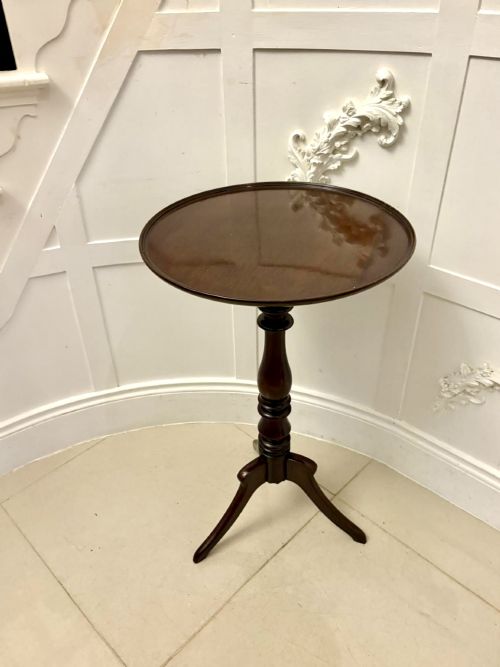
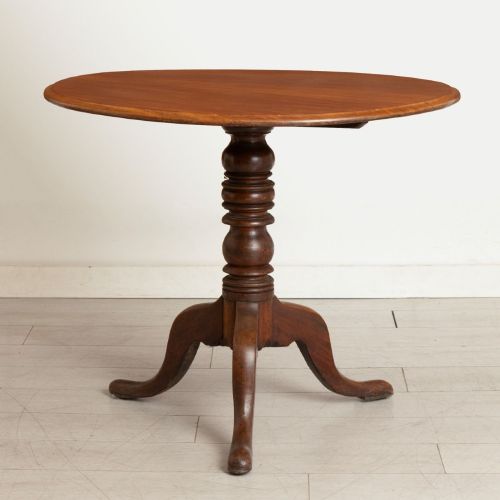
The version most commonly met on this page combines a turned mahogany, walnut, or oak column with a circular or tilt top resting on tripod feet. Makers of the period utilised durable hardwoods to construct these sturdy supports for domestic use.
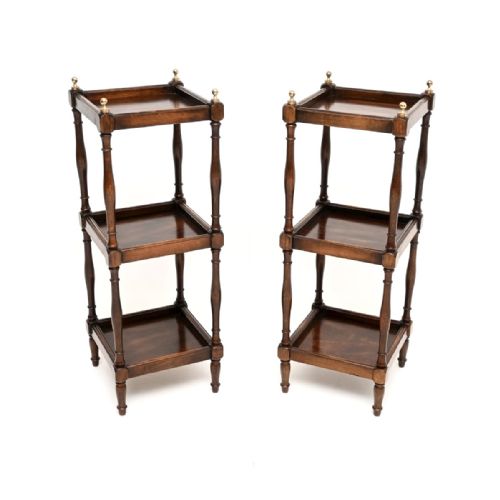
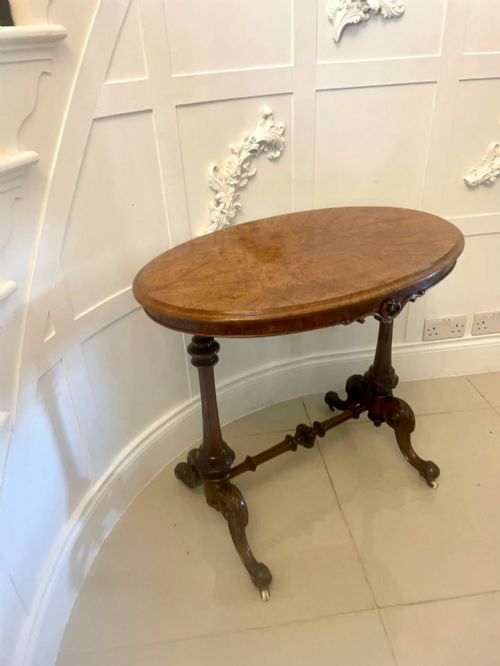
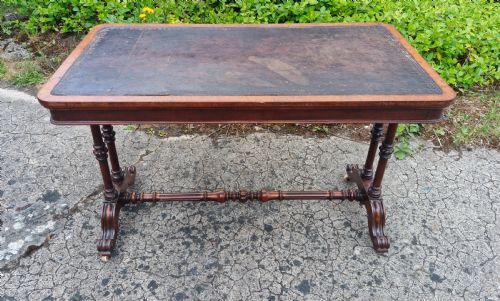
Alongside standard tables, the selection includes related pedestal forms and stands featuring the characteristic turned shaft. These items reflect the domestic requirements of nineteenth-century interiors, from small bedside surfaces to larger library and centre tables.
How they were made
Cabinet makers utilised solid timbers including mahogany, walnut, burr walnut, oak, and rosewood for the construction of the tops and columns. Turning lathes shaped the central pillars into smooth cylindrical, reeded, or baluster forms.
Tripod bases and tilt-top mechanisms required precise joinery to ensure stability when the table top was loaded or swivelled. Secondary materials such as brass fittings, leather inserts, and inlaid veneers finished the finer examples.
Victorian Turned Column Table Retail Price Guide 2026
Typical asking prices for victorian turned column table among the pieces listed under this phrase on Sellingantiques today, from the lower quarter to the upper quarter. They describe what is for sale here now, not the wider market.
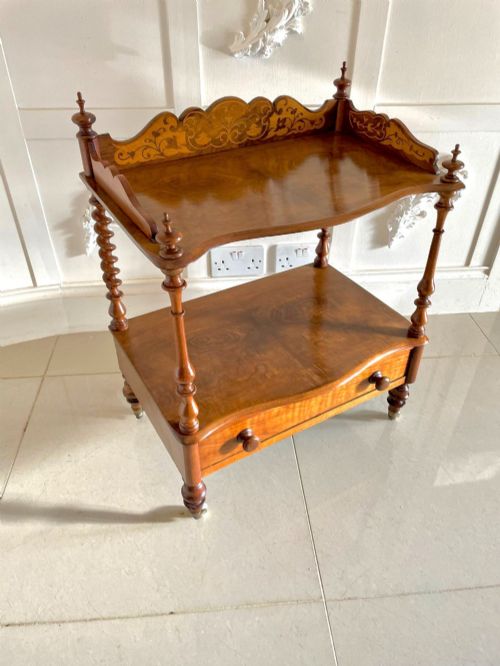
The site's inventory includes specialised forms such as wine tables, lamp tables, and whatnot bookshelves.
What varies in quality
The grade of timber dictates much of the quality, with highly figured burr walnut and rich mahogany marking out superior pieces. Selection of wood grain for the table top and the crispness of the turned column show the maker's hand.
Structural integrity in the tripod block and tilt mechanism separates standard production pieces from fine workshop creations. Solid brass fittings and delicate inlay work distinguish the top tier of nineteenth-century output.
Shoolbred
The Victorian Turned Column Table Glossary
- Turned column
- A vertical wooden support shaped on a lathe to create cylindrical, fluted, or baluster profiles. This central shaft carries the weight of the table top down to the feet.
- Tilt top
- A table top hinged to tip vertically when not in use, allowing the piece to stand flat against a wall. This mechanism relies on a brass or wooden catch beneath the surface.
- Tripod base
- A support structure branching into three distinct feet from the base of the central column. This design ensures stability on uneven floorboards.
- Burr walnut
- A figured veneer harvested from the burl growths of walnut trees, prized for its swirling grain patterns. Cabinet makers applied it to prominent table tops during the nineteenth century.
Victorian Turned Column Table: Frequently Asked Questions
What is a victorian turned column table used for?
These tables served various domestic functions in nineteenth-century homes, primarily as convenient surfaces for holding lamps, books, or tea. Smaller versions functioned as wine or occasional tables moved easily around the room.
Larger variants acted as centre tables in entrance halls or libraries. Their sturdy turned columns provided reliable support for daily household use.
How do I identify a Victorian period table?
Victorian pieces typically display characteristics of nineteenth-century craftsmanship, utilising dense hardwoods like mahogany, walnut, and oak. Look for traditional joinery methods and turning styles popular between eighteen thirty and nineteen hundred.
Archival pieces and historical listings often confirm these manufacturing dates through specific timber selections and hardware details like brass catches.
Where should I place a pedestal table at home?
Pedestal tables fit well beside armchairs or sofas to hold reading lamps and drinks. Their central column design allows chairs to tuck in closely without hitting table legs.
Smaller tripod versions also suit corners or landings where floor space is limited.