





Victorian Tobacciana Box
A victorian tobacciana box gathers the pocket containers and desk receptacles that stored smoking gear during the nineteenth century.
Victorian Tobacciana Box
A victorian tobacciana box encompasses a varied group of smoking accessories designed for tobacco, cigars, cigarettes and matches. Buyers encounter functional oak humidors, novelty silver vesta cases and carved wooden receptacles when exploring this category.
The objects span desk-sized tobacco jars and railway coal wagon humidors alongside pocket items like snuff boxes, snuff mulls, and cigarette cases. Many pieces reflect specific nineteenth-century pastimes and domestic habits.
Origins stretch across British workshops, continental European carving traditions and Anglo-Indian production. The selection demonstrates both utilitarian desk storage and whimsical novelty designs in metal and organic materials.
Materials and construction
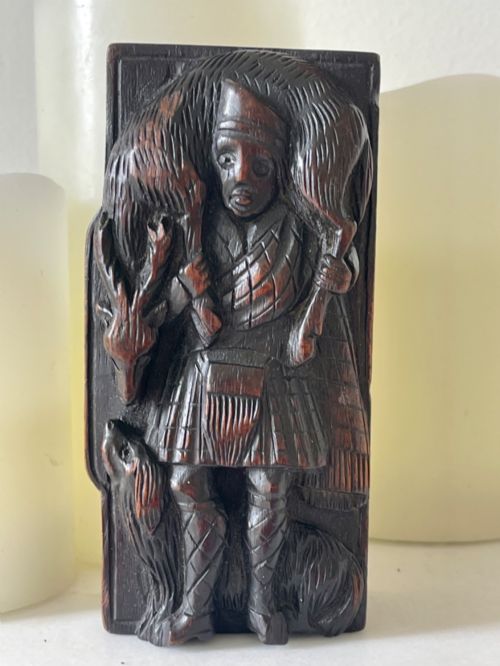
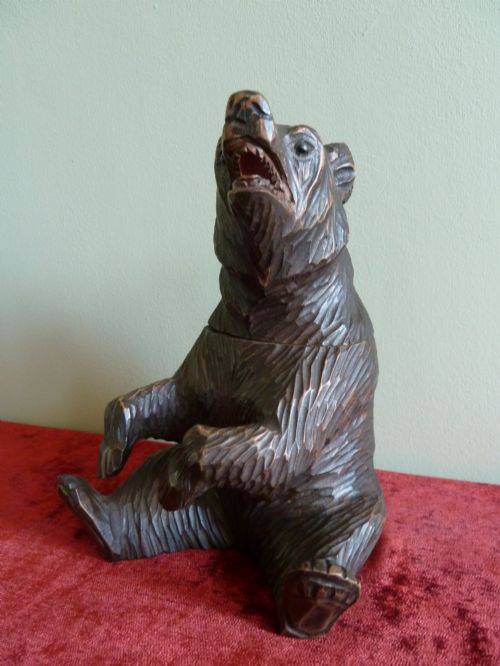
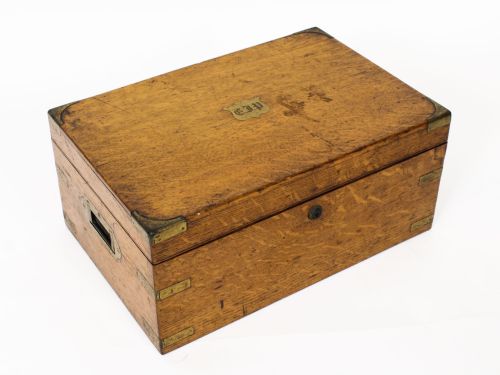
Makers utilised solid oak, linden wood, horn and metals including sterling silver, brass, nickel-plated brass and bronze. Woodworkers carved linden into animal figures whilst joiners fashioned oak bound with brass bands for desktop humidors.
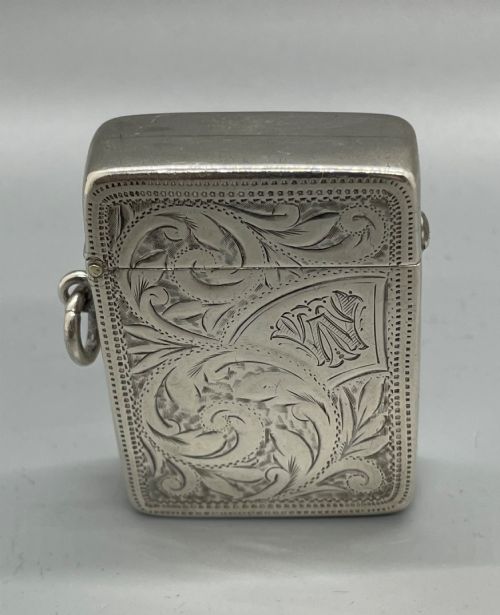
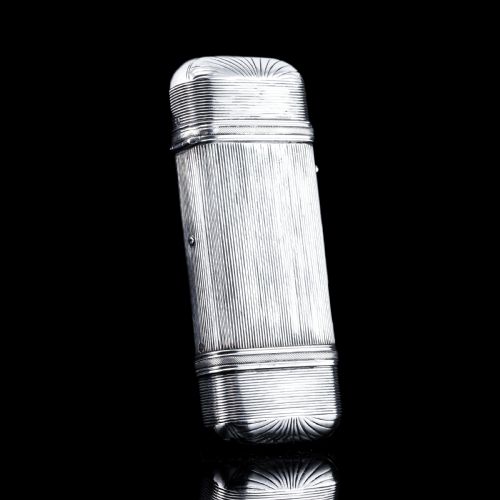
Metalworkers employed techniques such as casting, reeeding, hand decoration, enamelling and silver smithing to produce match safes, vesta cases and cigar boxes. Horn found application in traditional Scottish snuff mulls mounted with silver.
Victorian Tobacciana Box Retail Price Guide 2026
Typical asking prices for victorian tobacciana box among the pieces listed under this phrase on Sellingantiques today, from the lower quarter to the upper quarter. They describe what is for sale here now, not the wider market.
Listings feature items in oak, linden wood, horn, sterling silver, brass, bronze and metal, spanning the Victorian and Edwardian periods.
Assessing the standard
Quality rests upon the crispness of carving in wooden pieces, such as the detail in Black Forest bear humidors, and the precision of silversmithing on stamped or engraved metal cases. Hallmarks, maker marks and structural integrity distinguish standard production from superior output.
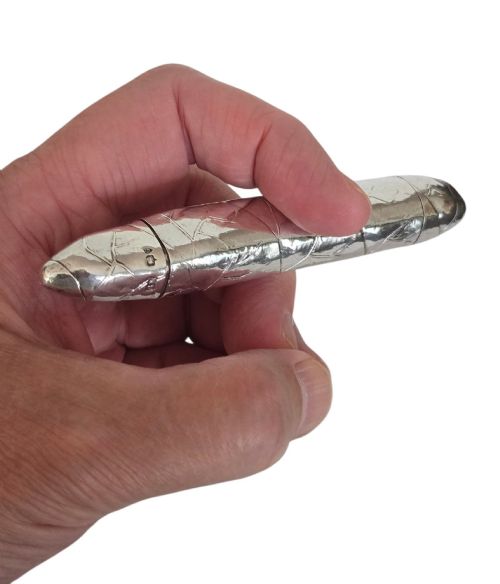
Novelty pieces derive distinction from the ingenuity of their mechanism and the fidelity of their sculptural form, whether depicting a dog head, a double-ended cigar or a railway coal wagon.
Sampson Mordan & Co
The Victorian Tobacciana Box Glossary
- Vesta case
- A small pocket container designed to hold matches and keep them dry, typically fitted with a striking surface on the base. These cases often featured hinged lids and suspension loops.
- Snuff mull
- A traditional Scottish receptacle for holding powdered tobacco, usually formed from animal horn mounted with silver hardware. The term derives from the Scottish word for a snuff box.
- Humidor
- A lidded box or jar designed to keep cigars and tobacco at a stable humidity, frequently lined with wood and fitted with secure closures.
- Tobacciana
- An umbrella term for antiques and collectibles connected with the consumption, storage and preparation of tobacco products. This category includes boxes, jars, cases and match safes.
Victorian Tobacciana Box: Frequently Asked Questions
What is a victorian tobacciana box?
A victorian tobacciana box is a container or case used for storing smoking materials, matches or snuff during the nineteenth century. These objects range from pocket vesta cases to large wooden desk humidors.
They reflect the prevalent social habits of the period and were produced in a wide variety of materials including silver, brass, oak and horn.
How were snuff mulls used?
Snuff mulls were used to hold powdered tobacco, known as snuff, which users would take pinch by pinch. The horn construction provided a durable, natural material that Scottish makers mounted with silver.
They were carried in pockets or kept on tables for communal sharing during social gatherings.
What materials are common in these boxes?
Common materials include sterling silver, brass, nickel-plated brass, oak, linden wood and animal horn. Makers often combined these elements, pairing wood with brass mounts or horn with silver rims.
Some pieces also incorporated glass, gold and enamel details for decorative effect.
How do I identify novelty pieces?
Novelty pieces are shaped to resemble everyday objects, animals or figures rather than taking a standard box form. Examples include items modelled as railway coal wagons, animal heads and double-ended cigars.
Makers used these clever designs to amuse users and showcase sculptural skill.