
Victorian Timepieces
Victorian timepieces bring mechanical precision into domestic life, offering reliable engineering housed in brass, glass and fine timber.
Victorian Timepieces
Victorian timepieces encompass a wide range of functional objects designed to measure hours, minutes and seconds through intricate mechanical movements. Buyers examining these items encounter everything from pocket watches carried daily to large wall clocks mounted in railway offices.
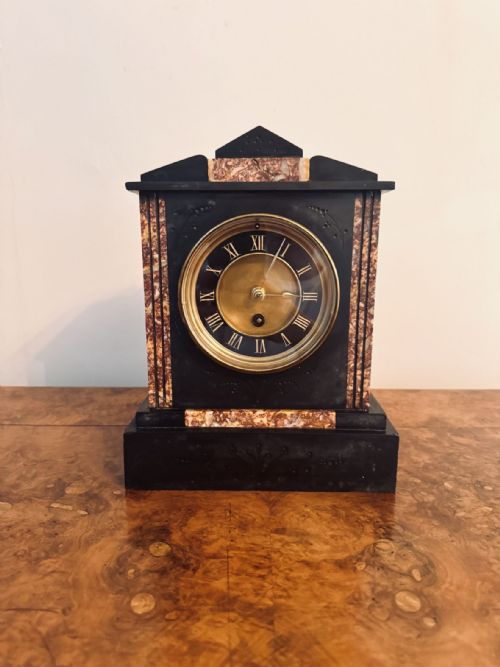
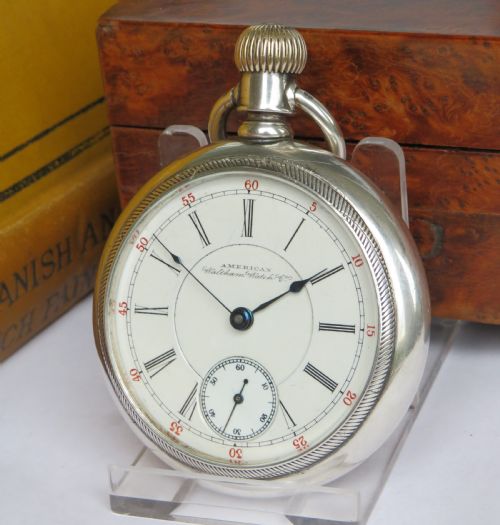
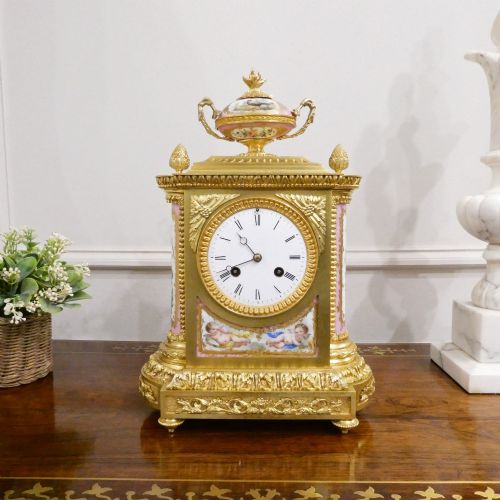
The most common examples on this page are mantel clocks, pocket watches and dial clocks produced during the nineteenth century. These pieces reflect the industrial capabilities and domestic priorities of the era, combining utility with decorative craftsmanship.
Origins vary between English workshops and continental European centres, particularly France. Each piece demonstrates the specific horological traditions of its maker, whether intended for a grand mantelpiece or a traveler's pocket.
Materials and construction
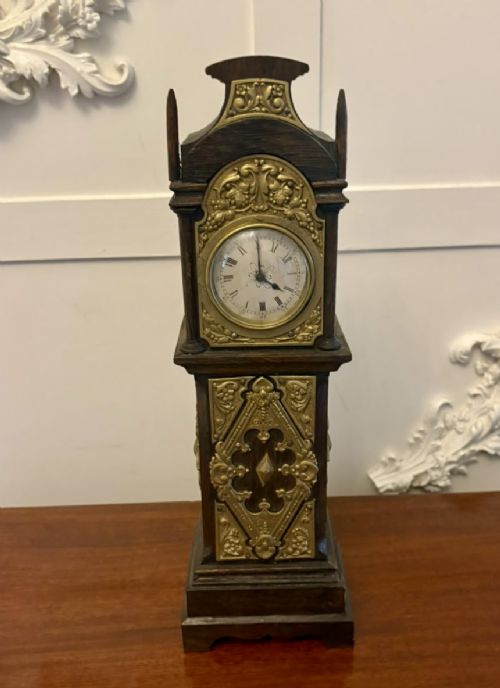
Brass, steel and glass form the structural foundation of these movements, ensuring durability and visibility of the internal gears. Enamel dials provide a crisp surface for numerals, while timber cases in mahogany, walnut and oak enclose the mechanisms.
Makers utilised specialised techniques such as fusee movements to maintain consistent tension as the mainspring unwound. Gilt bronze, porcelain panels and marble were frequently applied to exterior cases to satisfy contemporary aesthetic tastes.
Listings feature brass, silver, porcelain and mahogany across periods spanning the nineteenth and early twentieth centuries.
Assessing quality
The sophistication of the internal movement dictates the standard of a timepiece, with complex double fusee or repeater mechanisms representing superior craftsmanship. Precision in gear cutting and the finish applied to brass components distinguish ordinary production from exceptional work.
Case materials and artistic integration also define the hierarchy of pieces, as seen in hand-painted porcelain panels, fire-gilded bronze mounts and carefully selected timber veneers. Maker signatures, particularly from renowned horologists, elevate the standing of an object.
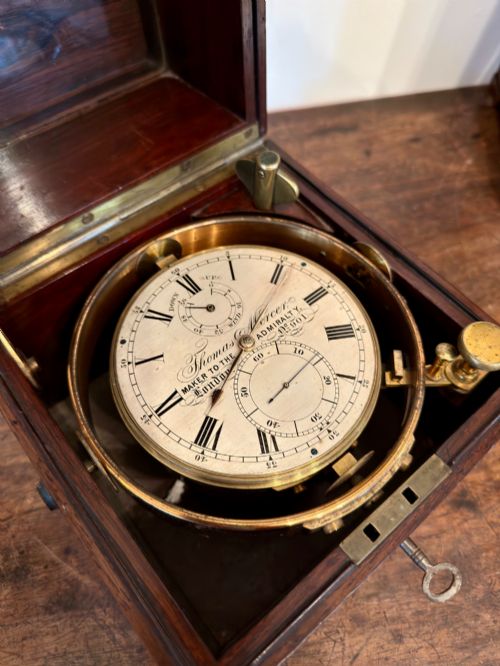
Jean-Baptiste Delettrez·Henri Jacot·Mercer of London·R Stewart Glasgow·Lange and Sohne
The Victorian Timepieces Glossary
- Fusee
- A conical pulley used in mechanical watches and clocks to equalize the power of the mainspring as it unwinds. This mechanism ensures consistent torque is delivered to the gear train for greater accuracy.
- Carriage clock
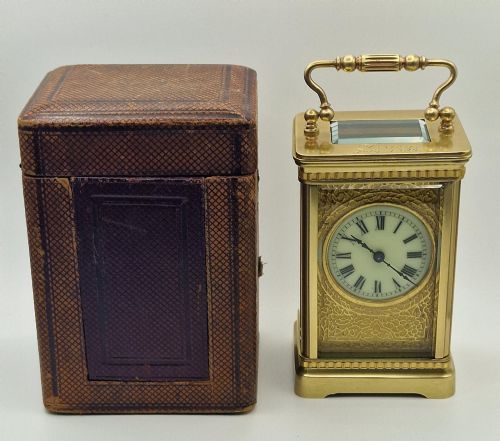
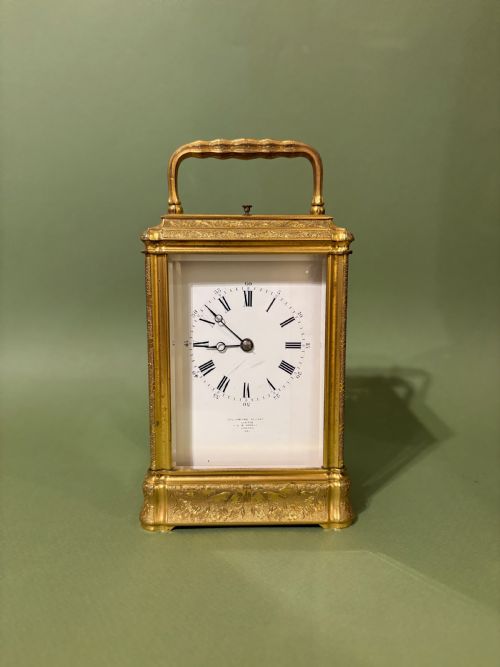
- A small, spring-driven clock designed for travel during the nineteenth century. They typically feature a glass-panelled brass case and a carrying handle on top.
- Skeleton clock
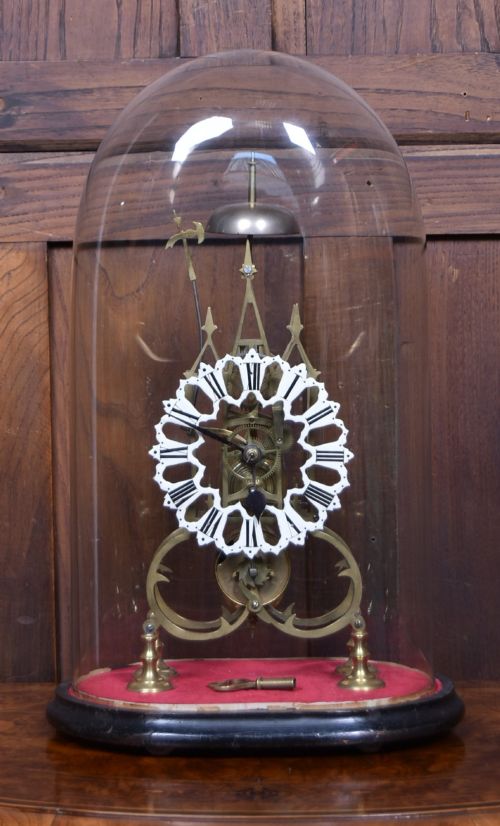
- A timepiece with an open framework designed to display the movement and gear train from all sides. The plates are pierced and shaped to reveal the inner mechanics.
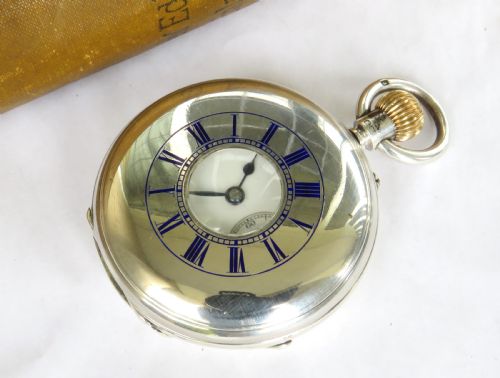
- Half hunter
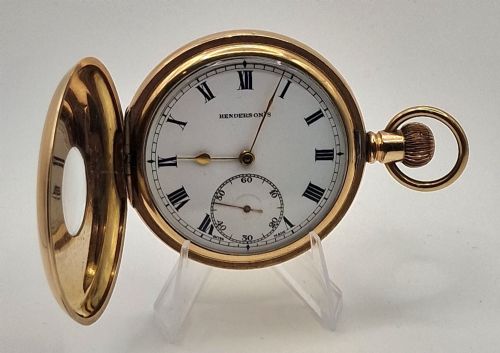
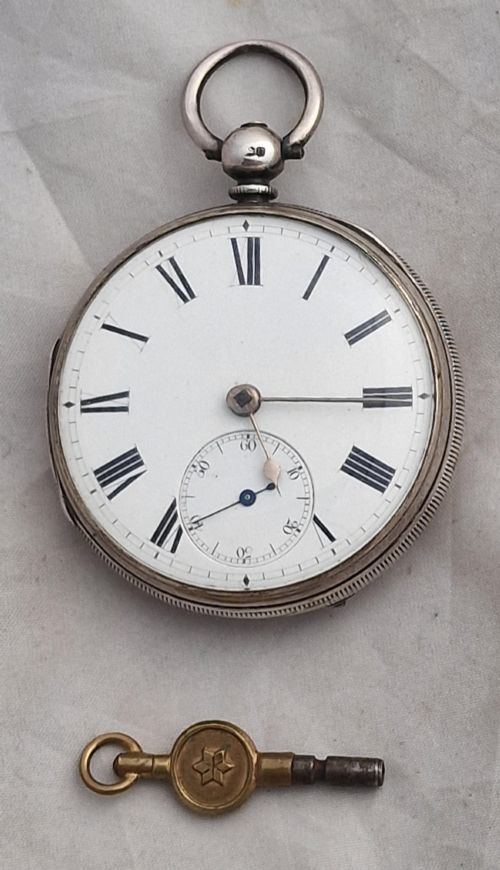
- A pocket watch with a case cover featuring a glass-inset centre or small aperture. This allows the user to read the hands without opening the exterior lid.
- Repeater
- A complicated watch or clock mechanism that chimes the hours and quarters when a slide or pendant is activated. This function allowed owners to check the time in the dark.
Victorian Timepieces: Frequently Asked Questions
How do I wind a fusee clock?
Turn the key gently in the correct direction until resistance is felt, avoiding any sudden movements that might strain the chain. Ensure the pendulum is secured before moving the clock to another location.
Most fusee movements require careful handling of the gut line or chain to prevent slipping. Regular maintenance by a professional horologist keeps the tension even and the gears clean.
What is a carriage clock travel case?
Travel cases were heavy leather-bound outer boxes lined with velvet or silk designed to protect delicate brass and glass clocks during journeys. They feature custom cutouts that snugly hold the handle and feet.
Finding a timepiece with its original travel case significantly adds to its historical completeness. These cases prevented knocks and vibrations from damaging the escapement while on the road.
How do I read a pocket watch chain?
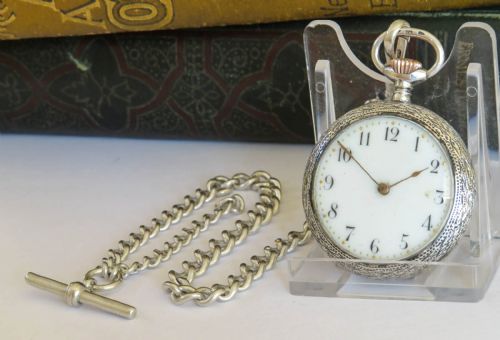
Pocket watch chains, often called fobs or alberts, were secured to a waistcoat buttonhole using a T-bar fitting. The watch itself rested safely in the pocket.
Various styles include single and double albert chains, sometimes incorporating charms or silver medallions. They served both a practical retention purpose and a decorative role in gentleman's attire.
Are railway clocks different from domestic clocks?
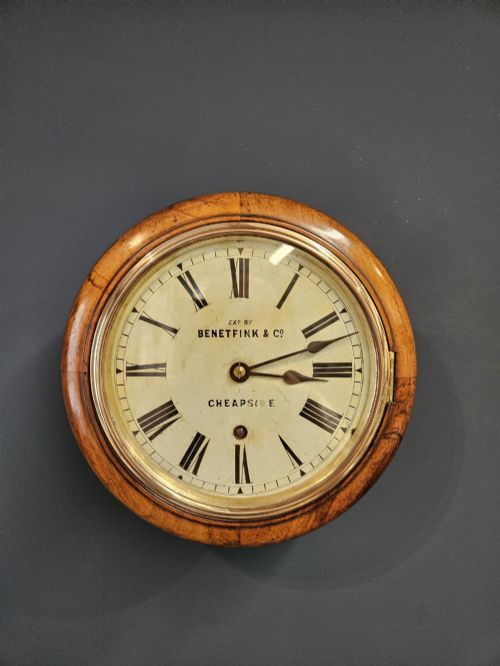
Railway clocks prioritize immediate legibility and robust timekeeping under heavy industrial conditions. Their dials feature bold Arabic numerals and clear minute tracks.
Mounted in stations and offices across the network, these fusee wall clocks had to withstand vibrations from passing steam locomotives. Their sturdy mahogany or oak surrounds were built for utility rather than ornamentation.