


Victorian Tallboy Chest Drawers
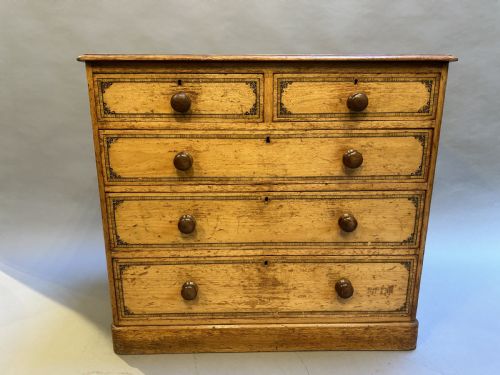
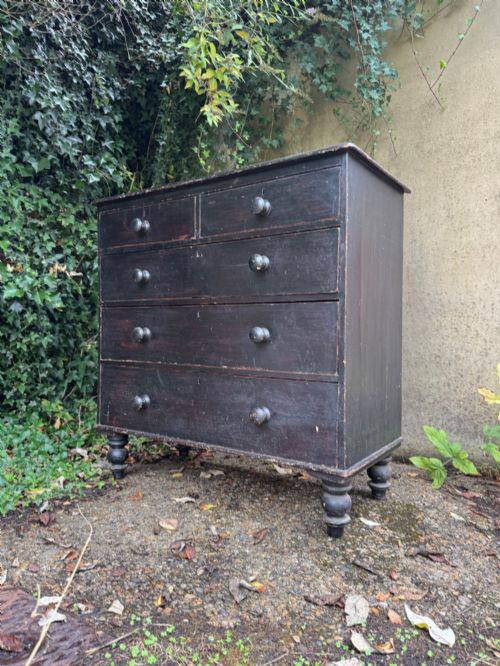
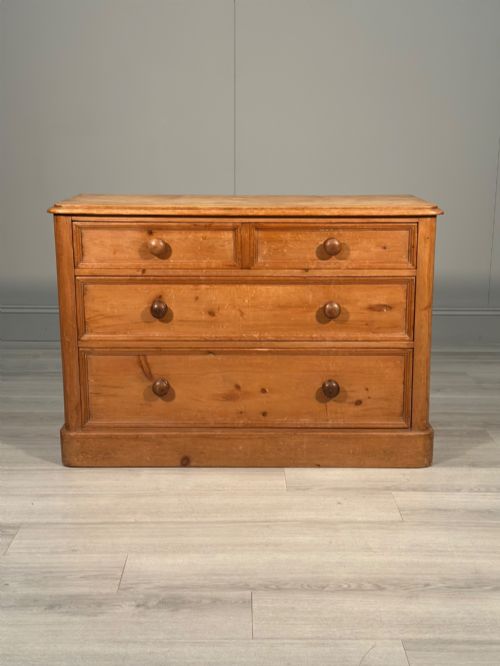
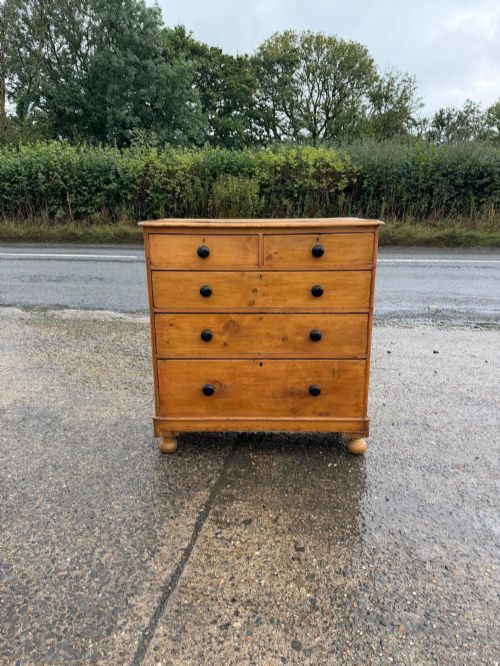
These robust victorian tallboy chest drawers offer towering vertical storage, combining generous proportions with traditional timber craftsmanship.
Victorian Tallboy Chest Drawers
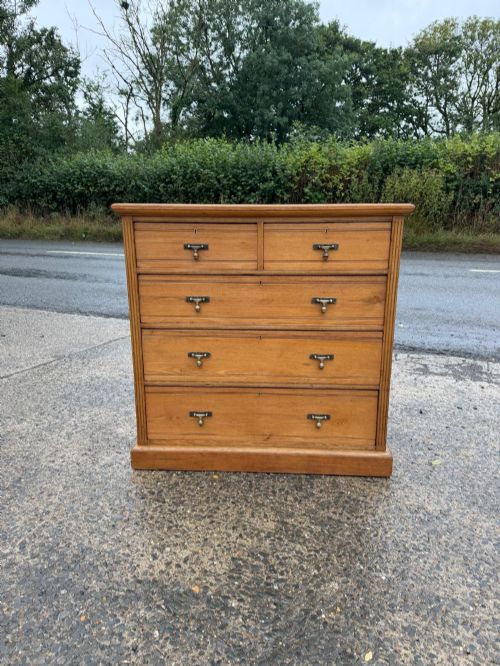
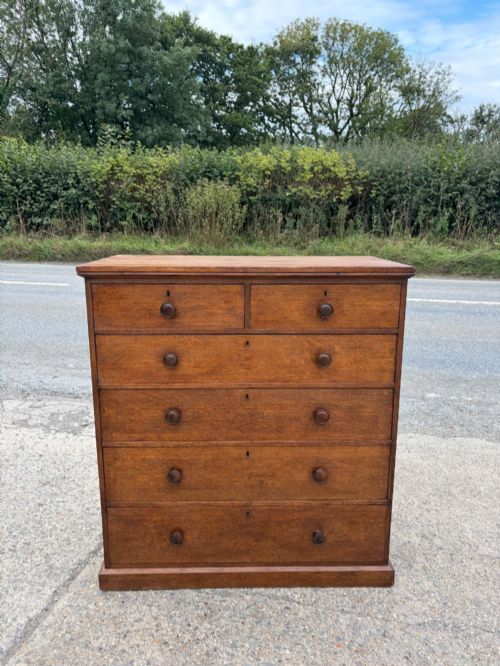
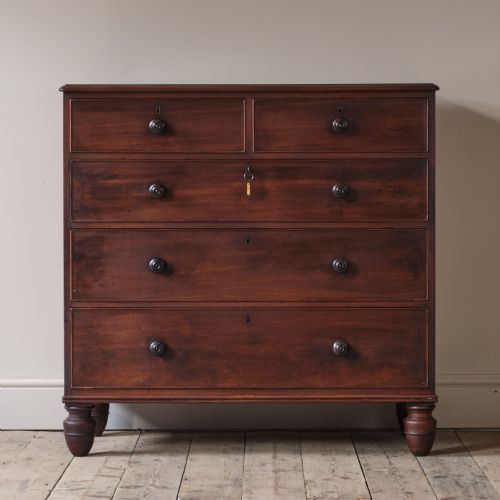
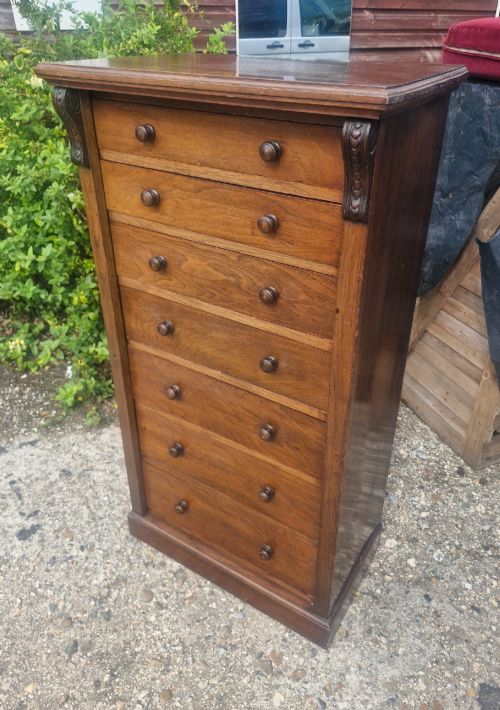
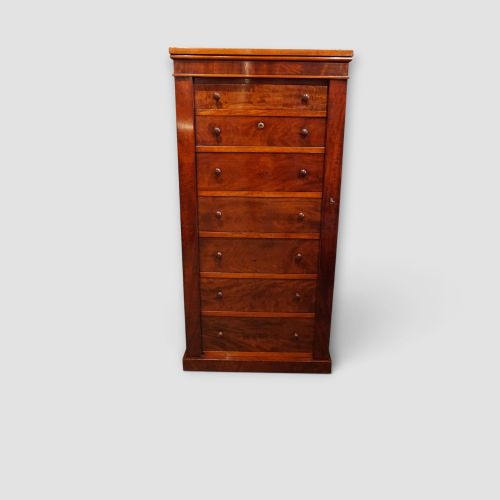
A victorian tallboy chest drawers provides substantial vertical storage through stacked arrangements of multiple timber drawers, frequently appearing in forms like the narrow Wellington chest or the broader Scotch chest. These pieces stem primarily from the 19th century, with iterations ranging from early Victorian pine to late Victorian mahogany.
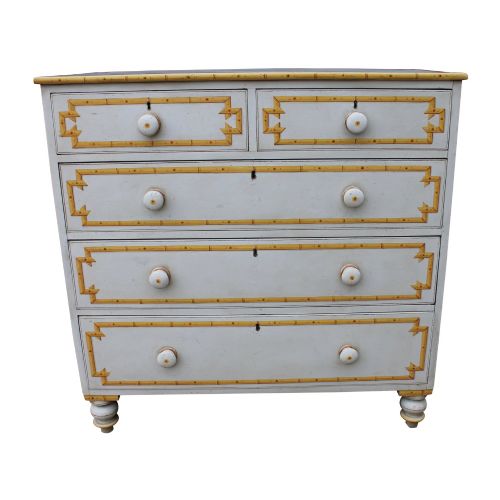
Buyers will encounter various formats on this page, including tall straight-front configurations, bow-front designs, and specialised linen presses or bedside variants. The construction varies from utilitarian painted pine to figured walnut and flame mahogany veneer, reflecting both provincial domestic use and formal parlour settings.
How They Were Made
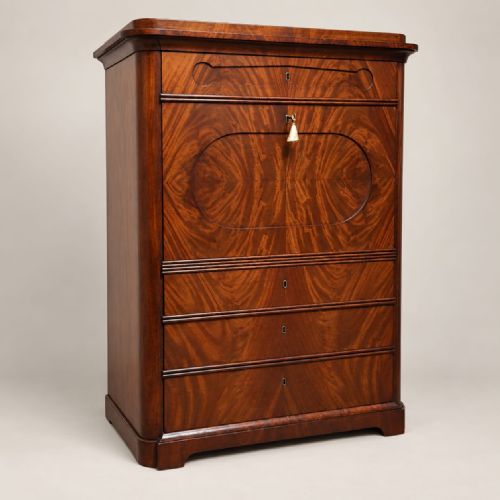
Cabinetmakers utilised dense native and imported timbers, principally mahogany, pine, and oak, often applying flame mahogany or burr walnut veneers to primary display surfaces. Solid secondary woods like pine appeared in drawer linings and internal framing.
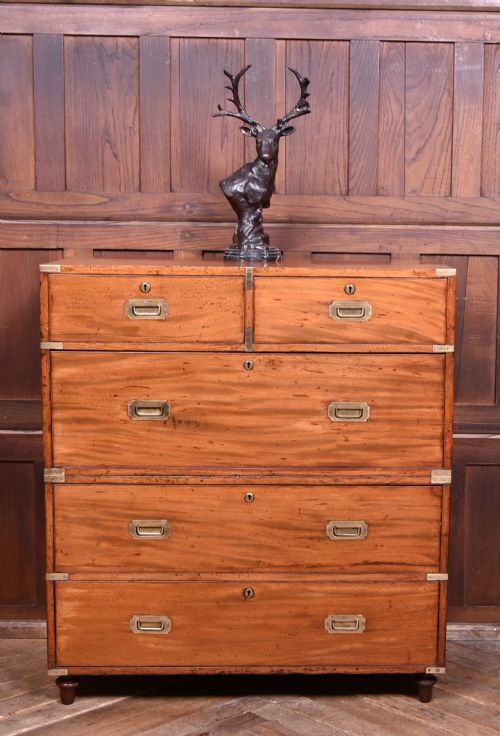
Joinery relied on traditional hand-cut dovetails for drawer construction, while larger carcases employed robust tongue and groove boarding. Brass hardware, locking mechanisms, and candle sconce mounts provided functional security and operational detail.
Object forms span standard chests, bedside tables, narrow Wellington variants, and large linen presses in ash and mahogany.
What Varies in Quality
The degree of refinement in timber selection separates standard utility items from finer examples, particularly where figured veneers like flame mahogany or burr walnut display continuous grain patterns across drawer fronts. Superior execution shows in the precision of dovetail joints, the smoothness of drawer operation, and the integrity of original brass fittings.
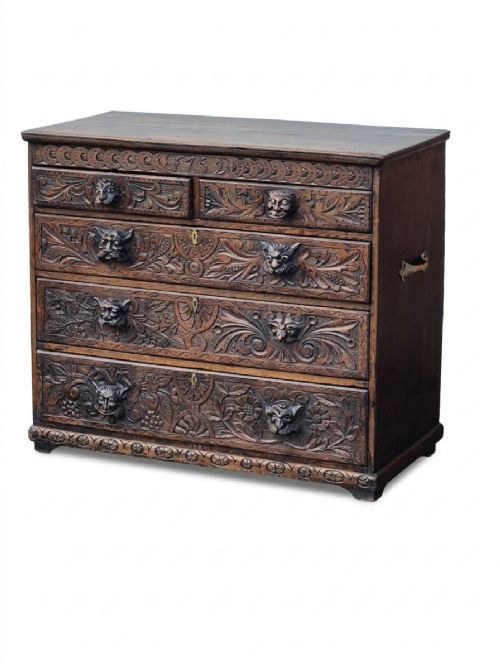
Proportional harmony and decorative restraint also distinguish the range, as pieces featuring carved elements such as Green Man grotesques or sophisticated locking flaps demand greater joinery skill. The condition of original surfaces, whether scrubbed pine or polished mahogany, dictates the visual depth preserved from the 19th century.
T G Seddon·Jas Shoolbred·Warings Liverpool
The Victorian Tallboy Chest Drawers Glossary
- Wellington chest
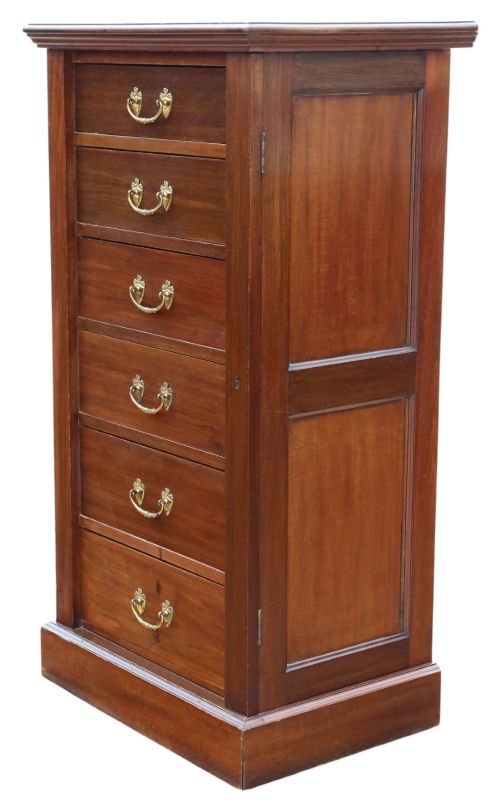
- A tall, narrow timber chest typically featuring six or seven drawers secured by a hinged vertical locking flap on one side. This design originated in the 19th century to securely store valuable garments or documents.
- Scotch chest
- A large, robust chest of drawers originating from Scotland during the Victorian era, often characterised by a deep cushion drawer above smaller configuration drawers. These pieces frequently utilise rich mahogany veneers.
- Linen press
- A tall cupboard combining upper shelving enclosed by doors with lower storage drawers, utilised for housing household linens. Ash and mahogany were common materials for these vertical bedroom cabinets.
- Flame mahogany
- A veneer cut from timber where branches join the main trunk, producing a distinctive leaping flame pattern. Cabinetmakers applied this decorative grain to the primary drawer fronts of high-status pieces.
- Apprentice piece
- A miniature scale model constructed by a trainee cabinetmaker to demonstrate mastery of woodworking techniques. These small chests replicate the exact joinery methods of full-sized furniture.
Victorian Tallboy Chest Drawers: Frequently Asked Questions
What is a tallboy chest?
A tallboy is a vertical storage unit that combines the height of a tall chest with multiple timber drawers. These pieces maximise bedroom storage by building upward rather than outward.
The records show examples built from mahogany, pine, and oak during the 19th century. Some variations include locking side flaps or integrated linen cupboards.
How do I identify a Victorian piece?
Victorian furniture is identified through period construction methods, timber choices, and stylistic markers dating between the mid-19th and early 20th centuries. Look for hand-cut dovetails and traditional brass hardware.
The materials span from vernacular scrubbed pine to formal flame mahogany and burr walnut. Secondary timbers like pine and oak are typically found inside the drawers.
Where were these chests used?
These chests served primarily as bedroom storage furniture for garments, linens, and personal items. Their vertical proportions made them suitable for rooms with limited floor space.
Larger Scotch chests and linen presses furnished principal chambers, while smaller bedside chests and miniature apprentice pieces occupied auxiliary spaces.