



Victorian Style Necklace
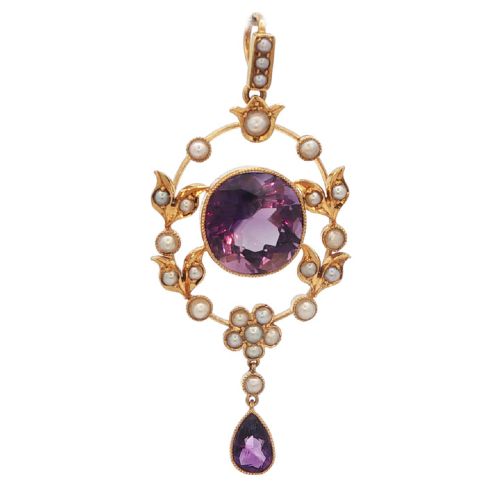
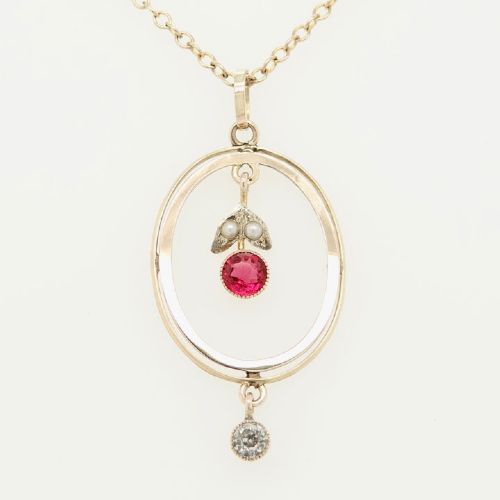
A victorian style necklace brings together period goldwork and gem-set pendants that anchor an outfit with genuine nineteenth or early twentieth century character.
Victorian Style Necklace
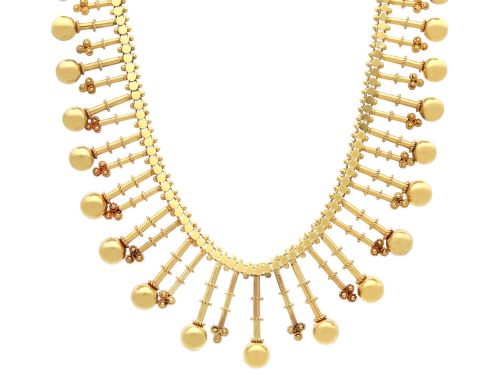
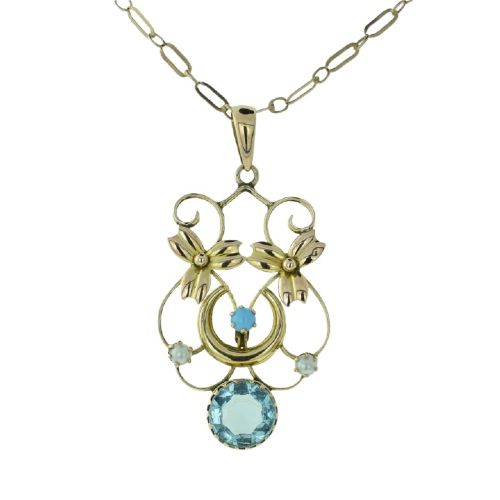
When you search for a victorian style necklace, you encounter pieces that span the nineteenth century into the Edwardian and Art Deco eras, including items with Ottoman Revival and Baroque Revival influences. These pieces typically take the form of pendants, drop chains, and slide chain necklaces suspended on precious metal links.
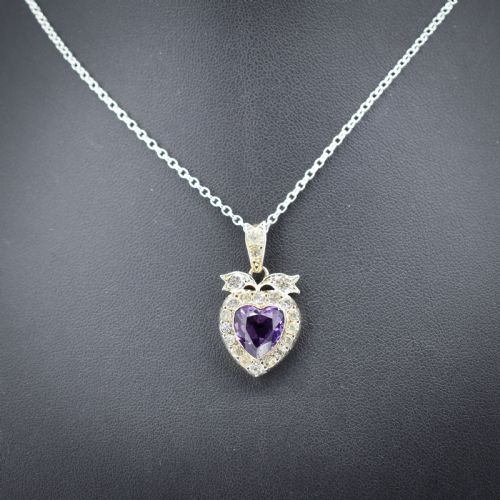
The materials recorded in these listings range from silver and sterling silver to nine carat, fourteen carat, and fifteen carat gold, often paired with seed pearls, paste glass, and coloured stones. You will find amethyst, garnet, turquoise, blue topaz, emerald, and diamond incorporated into both distinct pendants and integrated necklace designs.
Many examples arrive with specific period associations, originating from Victorian workshops or subsequent decades up to nineteen thirty. The selection balances standalone fob seals and riviere necklaces with elaborate gem-set drops.
How they were made
Goldsmiths utilised yellow and rose gold of varying carats, alongside silver, to construct the foundational chains and pendant mounts. Metalwork often incorporates detailed wirework or gilt finishes to frame the central stones.
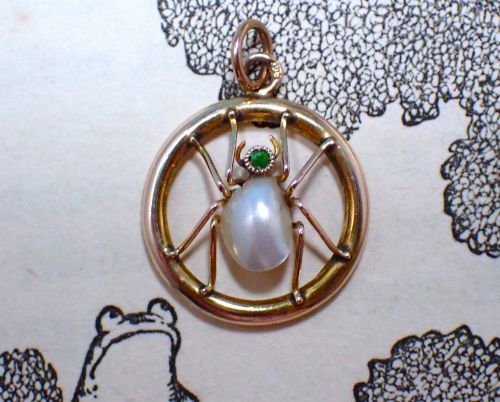
Gemstones and pearls are set securely within bezels or claw settings, while paste glass provides vibrant colour alternatives to precious gems. Seed pearls are frequently arranged in delicate floral or spider motifs.
Victorian Style Necklace Retail Price Guide 2026
Typical asking prices for victorian style necklace among the pieces listed under this phrase on Sellingantiques today, from the lower quarter to the upper quarter. They describe what is for sale here now, not the wider market.
Listings feature nine carat gold alongside rarer fifteen carat gold pieces, paired with seed pearls and amethyst.
What varies in quality
The standard of a victorian style necklace depends heavily on the grade of gold utilised, ranging from lower carats up to fifteen carat gold, and the presence of genuine gemstones over paste glass. Finer examples display meticulous setting techniques and well-preserved metal surfaces.
Design complexity also dictates the tier of the piece, with intricate revival styles and multi-stone configurations requiring superior bench skill. The survival of original presentation boxes or intact pendant drops enhances the integrity of an individual piece.
Hamilton & Co
The Victorian Style Necklace Glossary
- Riviere necklace
- A necklace composed of gemstones of similar size or graduating smoothly, individually set and linked together. This style sits closely to the collarbone.
- Paste glass
- A heavy, highly transparent type of glass cut with facets to imitate gemstones. It was widely used in antique jewellery for vibrant colour.
- Seed pearl
- Very small, naturally occurring pearls, often un-drilled or half-drilled, used in cluster arrangements. They are typical of nineteenth-century decorative work.
- Fob seal
- A small ornamental weight formerly used to stamp hot wax on letters or documents. They frequently appear converted into pendant drops.
- Slide chain necklace
- A chain featuring a movable sliding clasp that allows the wearer to adjust the length and positioning of the central pendant.
Victorian Style Necklace: Frequently Asked Questions
What metals are used in these necklaces?
The listings show a combination of silver, sterling silver, gold gilt, and solid gold in nine, fourteen, and fifteen carat variations. Rose and yellow gold are both well represented.
Makers selected these metals to support the weight of garnet, amethyst, emerald, and pearl components without bending or warping during regular wear.
How do I care for antique pearl jewellery?
Pearls are organic gems that require gentle handling, protection from harsh chemicals, and storage away from harder metals that might scratch them. Wipe them clean with a soft cloth after wearing.
Avoid submerging pearl-set pendants in water or ultrasonic cleaners, as moisture can weaken the adhesive or silk threads used in period construction.
What is paste glass in these pieces?
Paste is a dense, lead-rich glass hand-cut and polished to replicate the brilliance of precious gemstones. It allowed makers to achieve bold colours and sparkle.
Antique paste is prized for its distinct optical qualities and historical craftsmanship, rather than functioning as a modern imitation stone.
How do revival styles differ from original Victorian items?
Revival pieces draw inspiration from earlier historical periods, such as Etruscan or Baroque design, incorporating ancient motifs into nineteenth-century forms. They reflect the Victorian enthusiasm for historical scholarship and design.
Distinguishing between eras relies on examining the construction techniques, clasp types, and alloy standards characteristic of each decade.