
Victorian Style Club Chair
A victorian style club chair brings generous proportions and deep comfort to a room, rooted in nineteenth century English seating traditions.
Victorian Style Club Chair
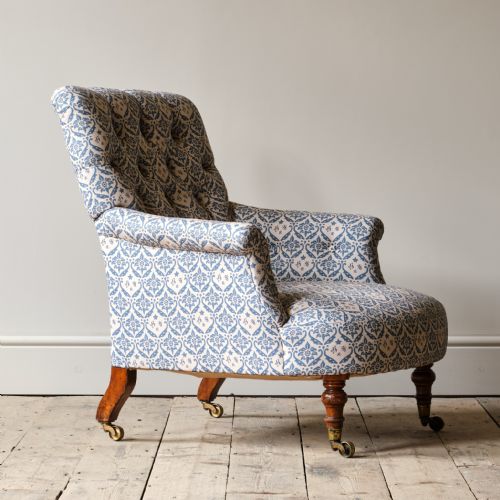
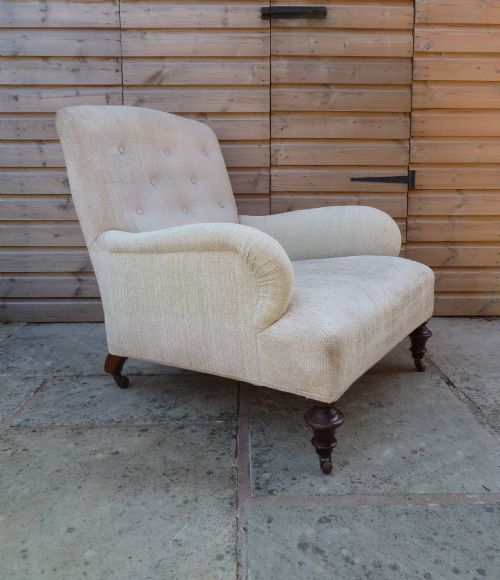
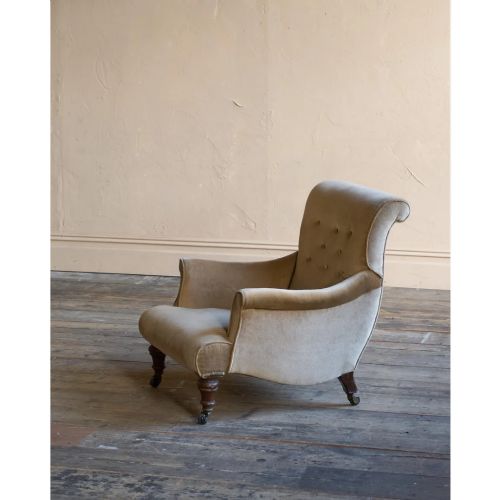
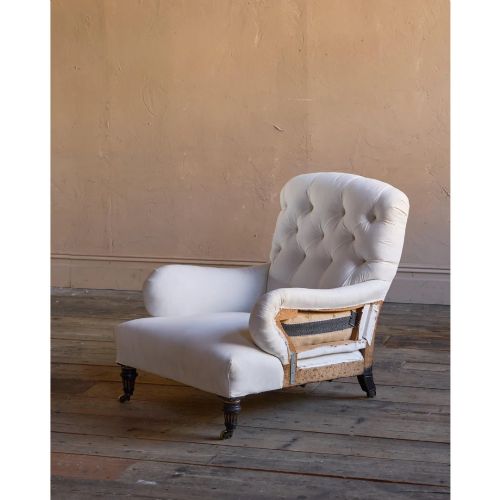
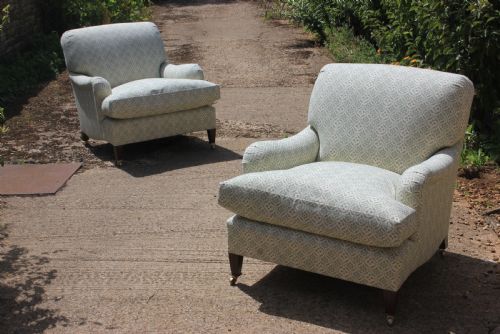
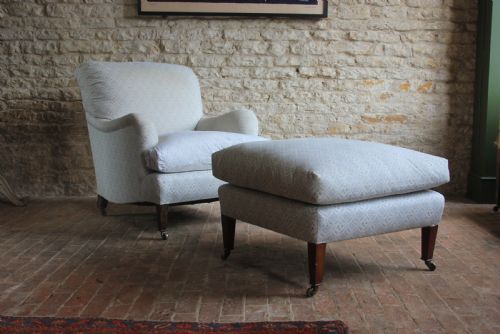
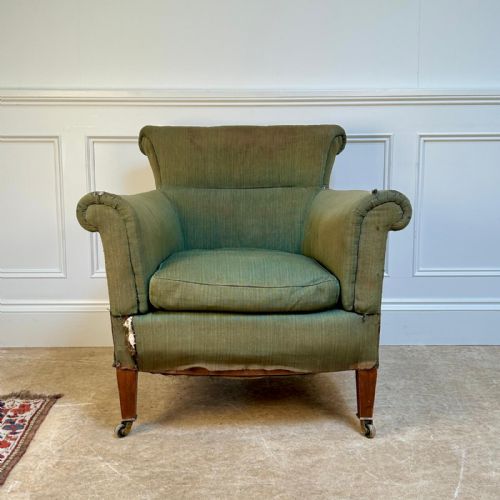
A victorian style club chair encompasses low, deep armchairs built for comfort, often associated with English country house interiors. You will frequently encounter nineteenth century examples, including pieces shaped by the Howard style or bearing the marks of notable makers.
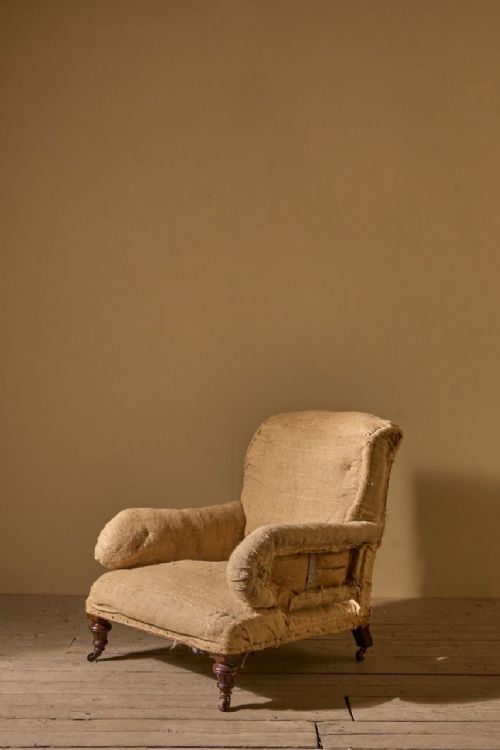
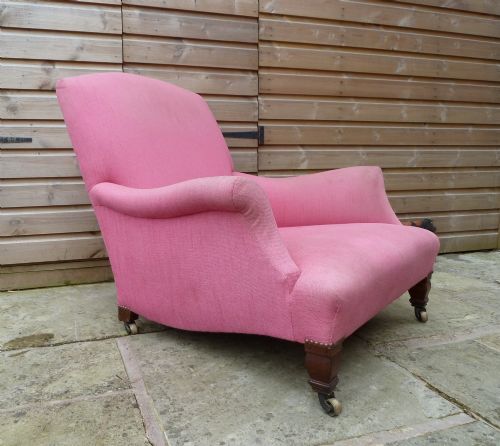
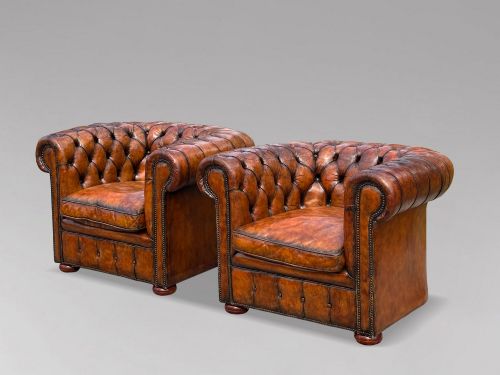
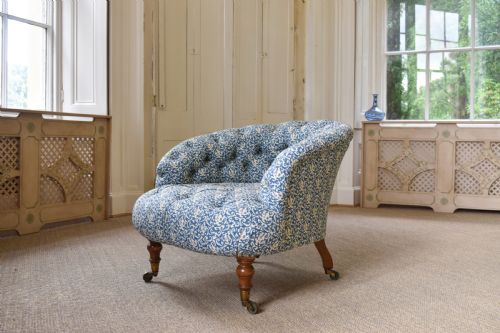
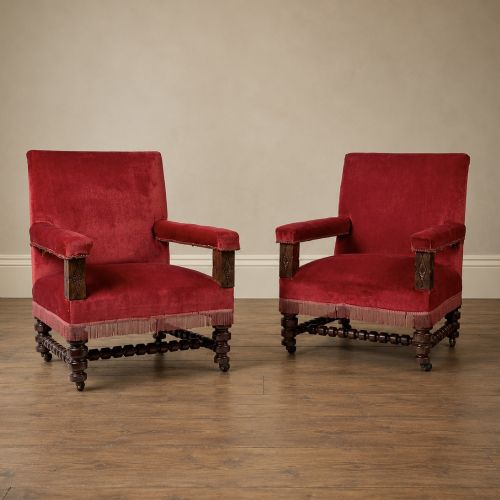
The forms range from traditional library armchairs in leather to upholstered easy chairs covered in ticking, calico or velvet. Many feature low backs, scrolled arms and generous seat depths designed for long periods of sitting.
Makers such as Howard and Sons, Gillows, James Shoolbred and Trollope and Sons defined the aesthetic, creating durable frames that remain highly sought after by collectors today. These pieces bridge the gap between formal nineteenth century drawing-room furniture and relaxed domestic seating.
Materials and construction
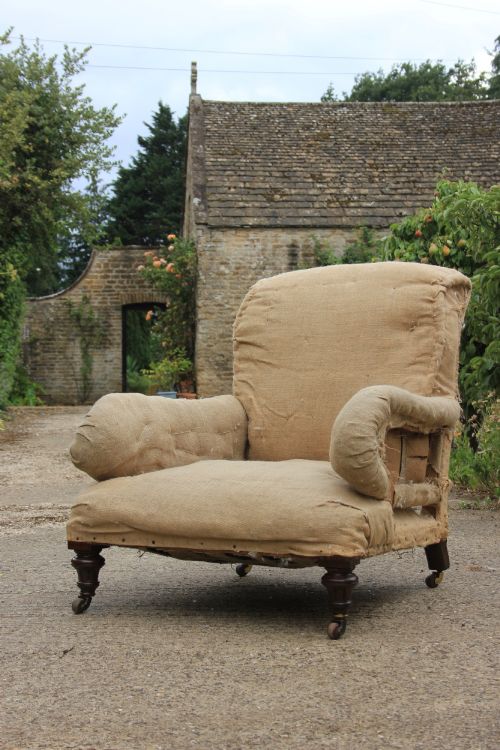
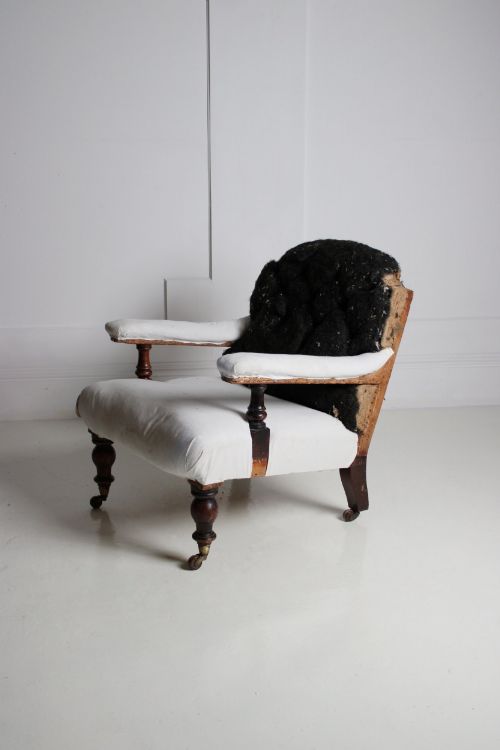
Frames are constructed from sturdy timbers including mahogany, walnut and oak, providing a solid internal skeleton for heavy upholstery. Traditional construction methods involve robust joinery designed to withstand decades of heavy daily use.
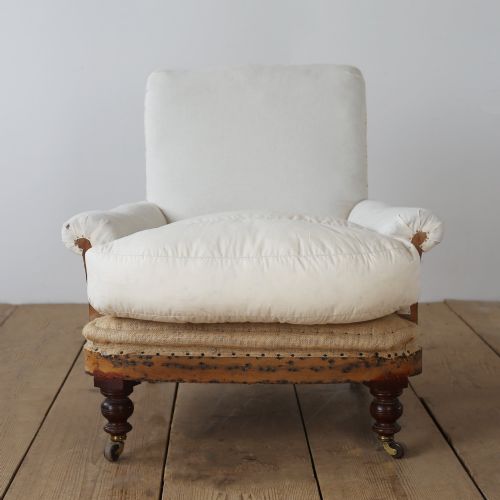
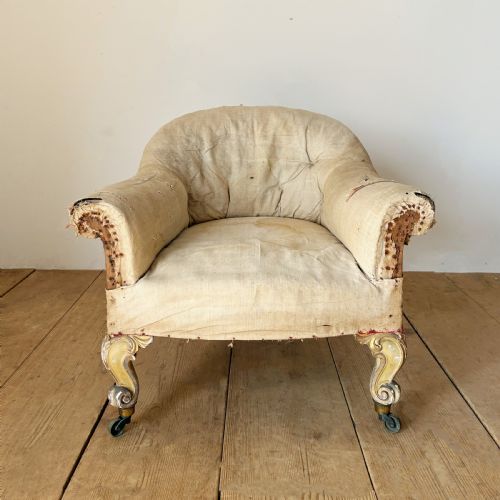
Upholstery layers rely on natural materials such as hessian, calico, cotton and wool fabric, often finished with horsehair stuffing and deep springing. Exposed woodwork typically appears on turned or carved legs, sometimes fitted with brass castors for mobility.
Listings feature walnut, mahogany and oak frames paired with textiles including leather, calico, hessian and velvet.
Factors that distinguish quality
The integrity of the internal stuffing and the resilience of the traditional springing system separate ordinary examples from exceptional pieces. Superior comfort depends entirely on the retention of supportive internal materials rather than superficial appearance.
The precision of the woodwork, from carved mahogany frames to finely turned aesthetic movement legs, indicates the skill of the original workshop. Maker attribution, particularly to firms like Howard and Sons or Gillows, elevates the standing of an armchair significantly.
Howard and Sons·James Shoolbred·Gillows·Trollope and Sons·SF Cullen
The Victorian Style Club Chair Glossary
- Howard style
- A deep-seated upholstered armchair design characterised by low rolled arms and generous proportions. It set the standard for English country house comfort in the nineteenth century.
- Ticking
- A tightly woven heavy cotton or linen fabric traditionally used as a durable foundation cover for upholstery. It often appears on country house pieces in neutral stripes.
- Library armchair
- A sturdy wooden chair, frequently framed in mahogany or walnut and upholstered in leather, designed for reading rooms and studies. These often feature substantial arm supports.
- Castor
- A small wheel fitted to the base of chair legs to allow easy movement across carpets and wooden floors. Nineteenth century versions are frequently fashioned from brass.
Victorian Style Club Chair: Frequently Asked Questions
How do I identify a Howard style armchair?
Look for low, gently scrolled arms, deep sprung seats and generous overall dimensions that prioritize relaxed seating. Many feature stamped brass castors or numbered legs corresponding to the maker's workshop records.
The upholstery may range from simple ticking to rich velvet, but the underlying silhouette remains unmistakable in its balance of support and informal elegance.
What is the difference between a club chair and a library chair?
Club chairs are generally fully upholstered easy chairs designed for deep, relaxed lounging with soft fabric or leather coverings. Library chairs often display more exposed mahogany or walnut woodwork and tighter leather upholstery suited for formal studies.
Both forms belong to the broader nineteenth century tradition of comfortable domestic seating found in English country houses.
Are these armchairs suitable for daily modern use?
Their robust timber frames and traditional sprung construction make them exceptionally durable for everyday living. Many survive from the Victorian and Edwardian eras precisely because they were built to withstand heavy daily wear.
Maintenance involves preserving the wooden frame and occasionally refreshing internal upholstery materials when traditional support requires gentle restoration.
How do I date a nineteenth century armchair?
Dating relies on examining the timber species, the style of the turned legs, and any visible maker stamps or castors. Aesthetic movement influences or specific revival styles like Chippendale or Rococo provide further clues to the decade of manufacture.
Archival records and paper labels left by firms such as Howard and Sons can sometimes narrow the production date to a specific Victorian decade.