

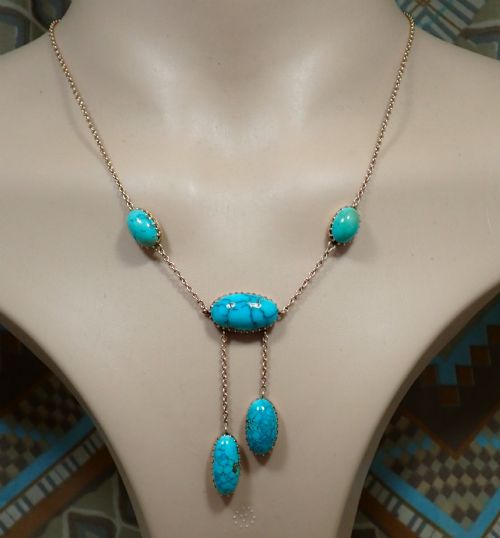
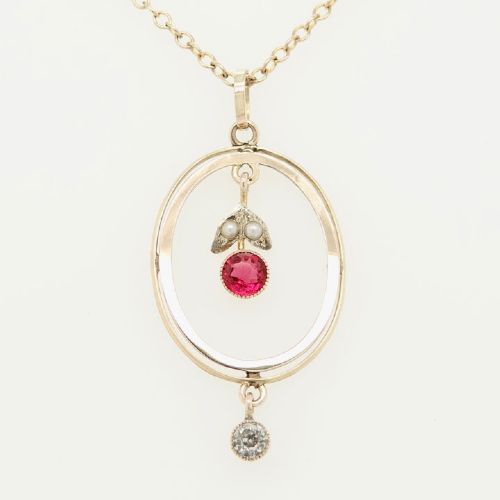
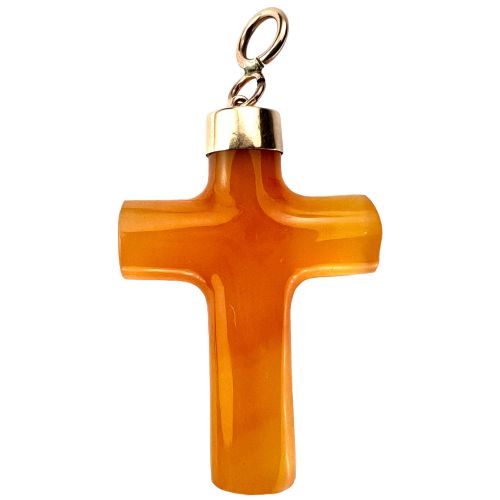


Victorian Stone Pendant
A victorian stone pendant combines period craftsmanship with hardstone or gem focal points, offering collectors wearable history.
Victorian Stone Pendant
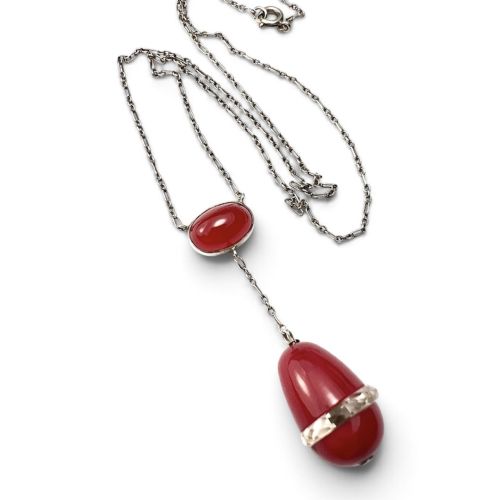
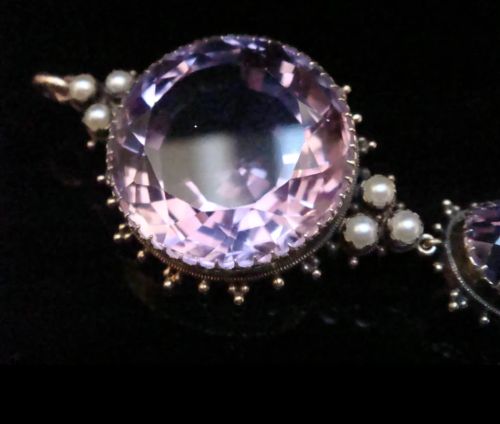
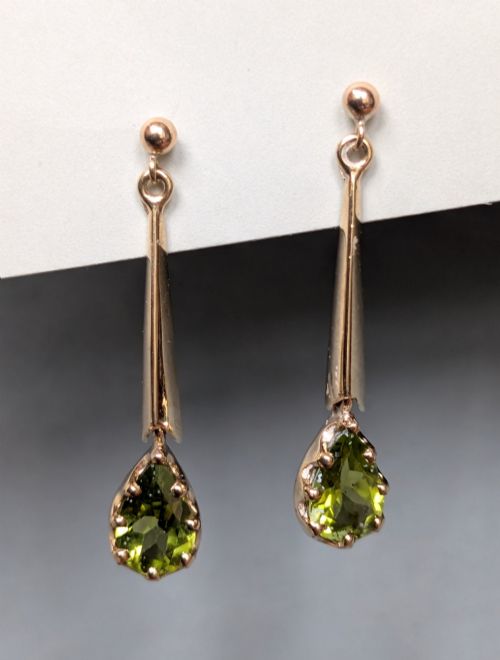
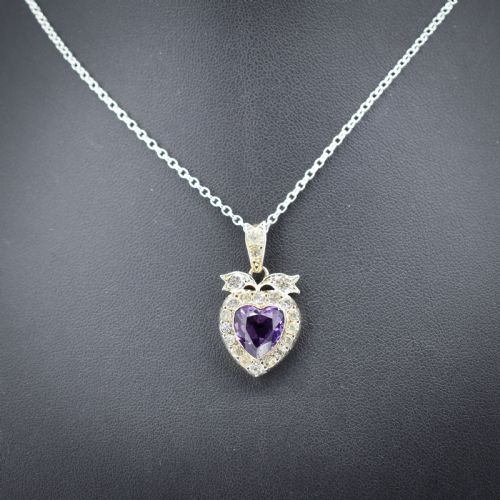
A victorian stone pendant is a wearable antique that displays coloured stones, pastes, or hardstones, usually suspended from a chain or incorporated into a drop necklace. These pieces draw attention through their central mineral or glass components, which range from amethyst and garnet to agate and paste.
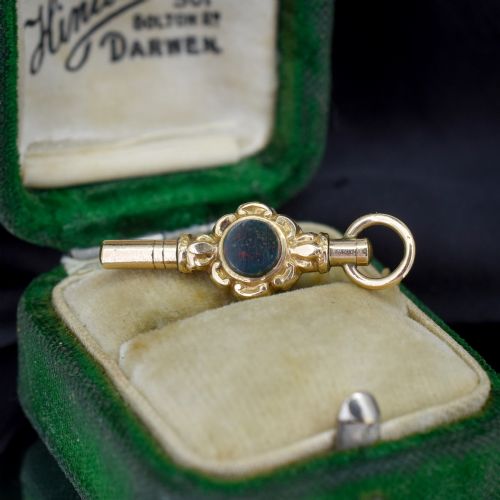
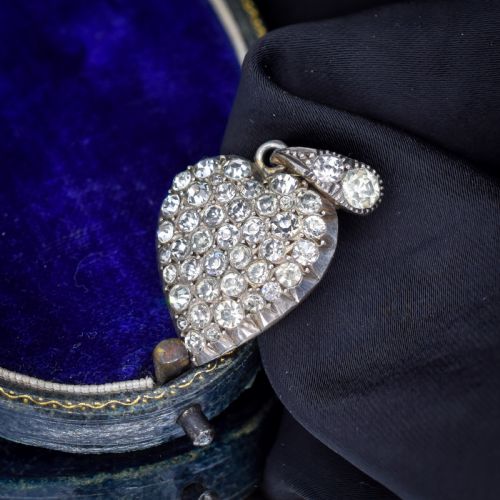
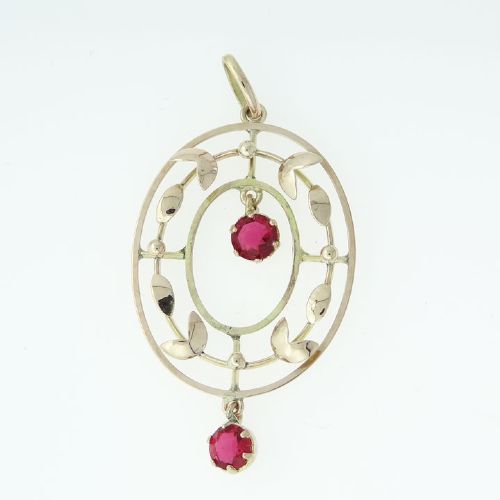
The versions most commonly met on this page belong to the nineteenth century, spanning early Victorian designs through to Edwardian and Arts and Crafts adaptations. Pendants frequently take the form of hearts, crosses, lockets, or foliate drops set in gold, silver, or gilt metals.
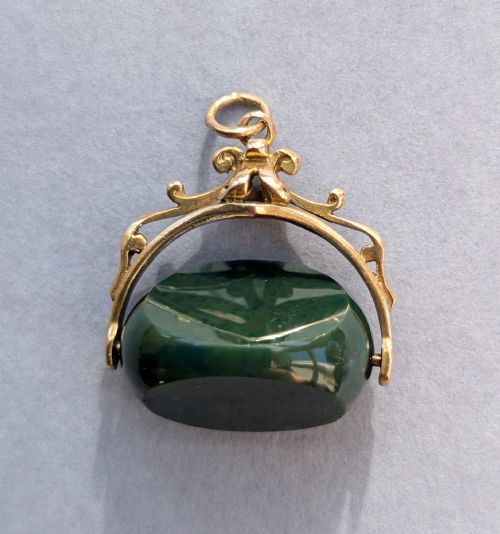
Buyers also encounter related configurations such as negligee necklaces, fob pendants, and convertible brooch-pendants. These items reflect the diverse ways jewellers utilised decorative stones and gem materials during the Victorian era and adjacent periods.
Materials and Technique
Makers set stones into gold, silver, rolled gold, or gilt settings using collet and bezel techniques to secure the minerals. High-karat golds such as 15ct and 18ct appear alongside 9ct gold and sterling silver, often shaped with chased foliage or wirework.
Lapidary work defined the focal elements, involving the cutting and polishing of hardstones like bloodstone, carnelian, agate, and chalcedony, alongside faceted amethysts, garnets, and glass pastes. Craftsmen combined these stones with seed pearls, enamel, and turquoise accents to create textured, multi-layered designs.
Victorian Stone Pendant Retail Price Guide 2026
Typical asking prices for victorian stone pendant among the pieces listed under this phrase on Sellingantiques today, from the lower quarter to the upper quarter. They describe what is for sale here now, not the wider market.
Listings feature periods from the early Victorian era through to Edwardian and Arts and Crafts revivals, utilising amethysts, garnets, agates, and paste.
Distinctions in Quality
Quality rests on the depth of the lapidary work and the integrity of the setting, where superior pieces exhibit precise stone cutting and secure, hand-finished metalwork. The choice of materials also divides the range, with solid higher-karat golds and natural hardstones or transparent gems sitting apart from rolled metals and moulded glass pastes.
Design complexity marks the upper tier of pieces, particularly where jewellers integrated articulated drops, fine seed pearl work, or Renaissance Revival motifs. Simpler stamped mounts with basic paste stones represent the more straightforward end of the scale.
The Victorian Stone Pendant Glossary
- Paste
- Faceted glass created to imitate gemstones. It was hand-cut and foiled in antique jewellery to maximise brilliance.
- Hardstone
- An umbrella term for ornamental stones harder than marble, such as agate, carnelian, and bloodstone. Lapidaries carved and polished them into cabochons and flat plaques.
- Fob
- A short chain or pendant attached originally to a pocket watch. Many were later converted into necklace pendants.
- Negligee necklace
- A style featuring two unequal drops suspended from a central motif. It became popular during the Edwardian period.
- Cabochon
- A gemstone shaped and polished with a smooth convex surface rather than faceted. This cut suits opaque stones and chatoyant minerals.
- Pectoral cross
- A large cross pendant worn on the chest. Victorian examples often incorporated Scottish pebble stones or hardstone mosaics.
Victorian Stone Pendant: Frequently Asked Questions
What is a victorian stone pendant?
A victorian stone pendant is an item of jewellery from the nineteenth century featuring a central gem, hardstone, or paste set in precious or base metal.
These pieces were worn suspended from chains as decorative adornments, frequently taking symbolic shapes like hearts or crosses.
How were these pendants worn?
Original owners wore these pendants on chains around the neck, or sometimes pinned to garments when pieces doubled as brooches.
They also functioned as watch fobs or slide pendants on chatelaines, depending on the specific loop or swivel fitting provided by the maker.
How do I date a pendant?
Dating relies on stylistic clues, metal purity marks, and the types of stones utilised within the design. Victorian pieces often show heavy foliate chasing or hardstone panels, while later Edwardian examples lean towards lighter garland or negligee configurations.
Hallmarks and regional metal standards, when present, provide further chronological indicators.
Are these stones natural?
The stones vary according to the piece and include both natural gems and manufactured substitutes. Amethysts, garnets, agates, and seed pearls are natural organic or mineral materials, whereas many colourless or intensely bright stones are antique glass paste.
Listings specify the exact material makeup for each individual item.