



Victorian Sterling Silver Ladle
These Victorian sterling silver ladles bring robust weight and gleaming presentation to the table, offering a centrepiece of period craft.
Victorian Sterling Silver Ladle
A buyer seeking a victorian sterling silver ladle encounters solid silver service pieces designed for soups, sauces, creams, and gravies. These utensils emerge primarily from the Victorian period alongside Georgian and 19th-century Continental examples.
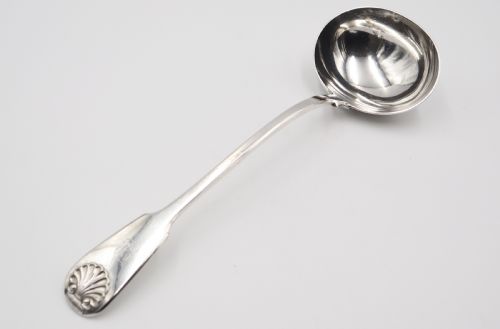
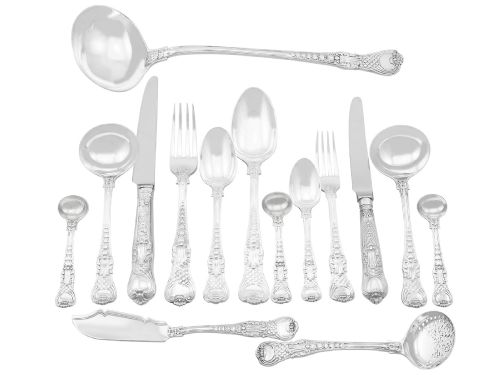
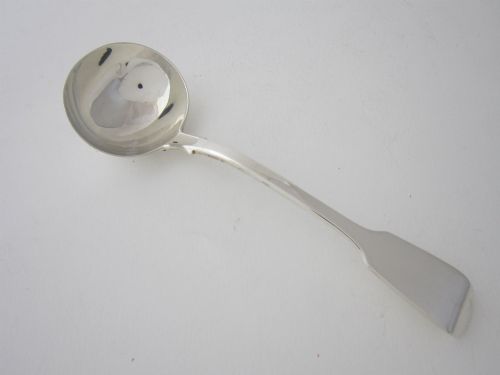
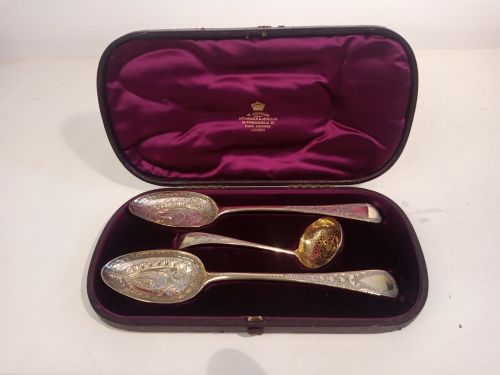
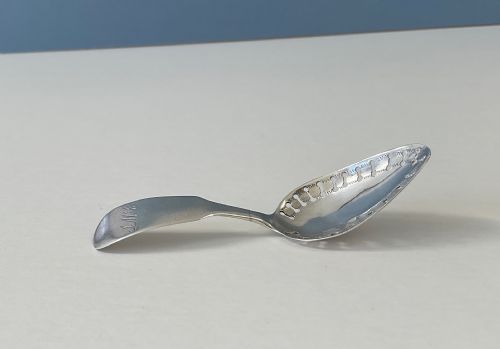
Forms span from fiddle pattern sauce ladles and Queen's pattern soup ladles to Exeter and Glasgow provincial silver cream ladles. They often appear alongside canteens of cutlery, berry spoons, and sugar sifter sets.
Regional British proveniences feature strongly, with pieces marked from London, Edinburgh, and Exeter, alongside Scottish provincial and continental variations fashioned in solid silver and silver-gilt.
Materials and construction
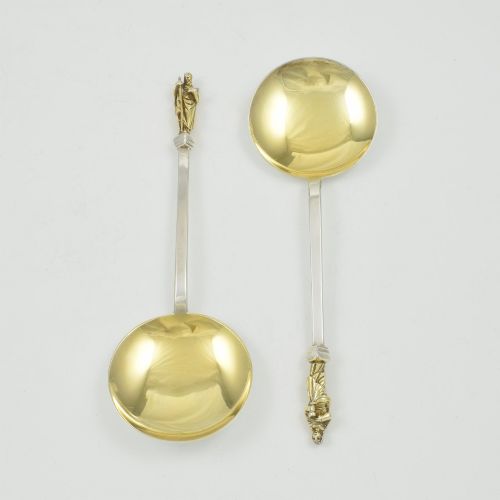
Silversmiths forged these items predominantly from sterling silver and solid silver, occasionally applying silver-gilt finishes to the bowl interiors for decorative contrast and protection against acidic contents.
Handles and bowls display distinct regional patterns such as the fiddle and Queen's designs, hammered and shaped from heavy gauge metal to withstand the demands of formal dining.
Victorian Sterling Silver Ladle Retail Price Guide 2026
Typical asking prices for victorian sterling silver ladle among the pieces listed under this phrase on Sellingantiques today, from the lower quarter to the upper quarter. They describe what is for sale here now, not the wider market.
Assessing quality and distinction
The standard of a ladle rests upon the crispness of its patterned handle, the substantial weight of the solid silver, and the balanced proportion between the bowl and the stem.
Maker attribution and provincial assay marks elevate a piece, distinguishing standard commercial production from distinguished silversmith output such as that by Mary Chawner.
Mary Chawner
The Victorian Sterling Silver Ladle Glossary
- Sterling silver
- A silver alloy containing 92.5 percent pure silver and 7.5 percent other metals, usually copper, ensuring durability for functional tableware.
- Fiddle pattern
- A traditional 19th-century flatware handle style featuring a narrow stem that broadens near the terminal into a slight shoulder, resembling a violin.
- Queen's pattern
- An ornate decorative flatware style distinguished by shell and scroll motifs along the borders of the handle.
- Silver-gilt
- Silver objects that have been coated with a thin layer of gold on the surface, often seen on the interior bowls of serving spoons and ladles.
- Provincial silver
- Silverware manufactured and assayed outside of the main London office, bearing regional hallmarks from cities such as Edinburgh, Glasgow, or Exeter.
Victorian Sterling Silver Ladle: Frequently Asked Questions
What is a Victorian silver ladle?
A Victorian silver ladle is a serving spoon with a deep bowl and a long handle, manufactured during the 19th century in solid sterling silver.
These pieces were utilised at the dining table for portioning soups, sauces, gravies, and creams during formal meals.
How do I identify a Victorian ladle?
Identification relies on examining the hallmarks stamped into the metal, which indicate the assay office, the standard of silver, and the year of manufacture.
Stylistic indicators such as fiddle or Queen's patterns and specific maker marks also help confirm the Victorian period origin.
How do I care for sterling silver ladles?
Care involves washing the silver in warm water with mild soap and drying it immediately with a soft cloth to prevent water spots.
Regular, gentle polishing with a dedicated silver cloth maintains the surface shine without abrasive wear to the metal or hallmarks.