




Victorian Smell Bottle
A victorian smell bottle is a small, portable vessel for carrying personal fragrance, combining glass and silver to hold scent close during the nineteenth century.
Victorian Smell Bottle
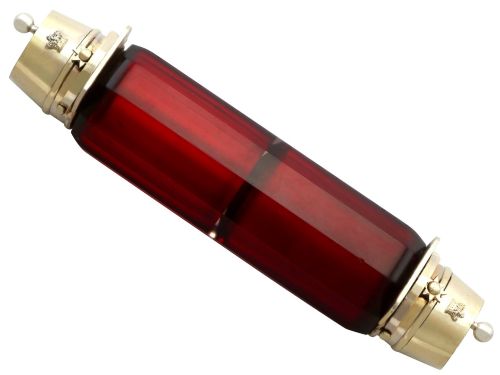
A victorian smell bottle serves as both a functional container and a decorative accessory, designed to carry perfume or smelling salts securely in pockets or reticules. When collectors search for a victorian smell bottle, they encounter diverse forms ranging from simple glass flasks to intricate double-ended designs.
The specimens seen here originate predominantly from the Victorian and Edwardian eras, spanning the nineteenth into the early twentieth century. These pieces appear as scent bottles, perfume bottles, vinaigrettes, and scent flasks, reflecting the varied personal habits of their original owners.
Materials and construction
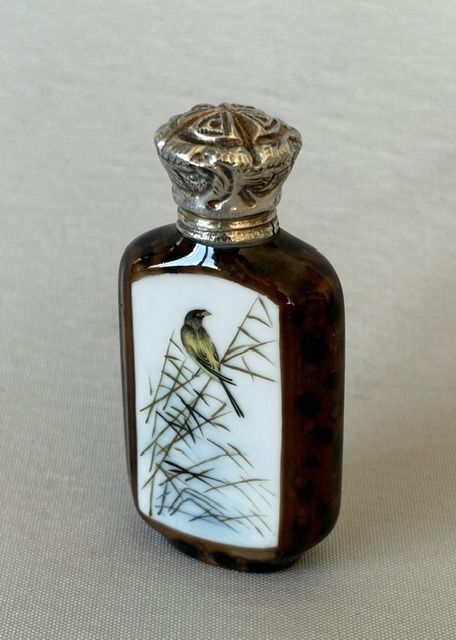
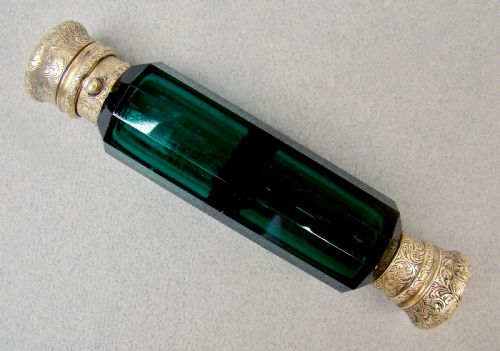
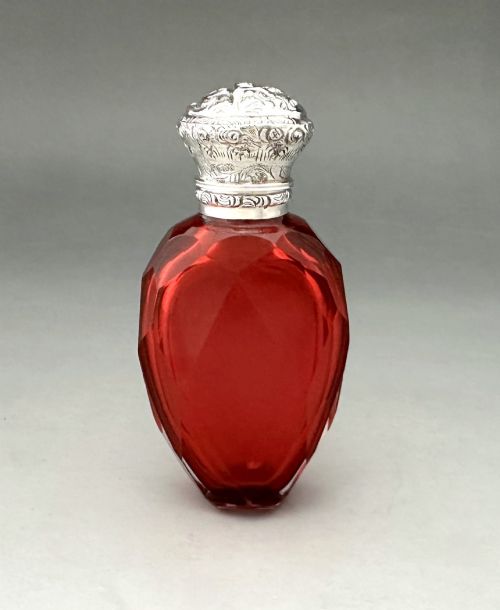
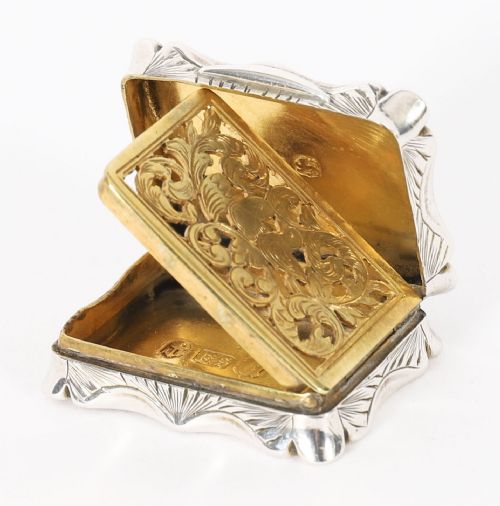
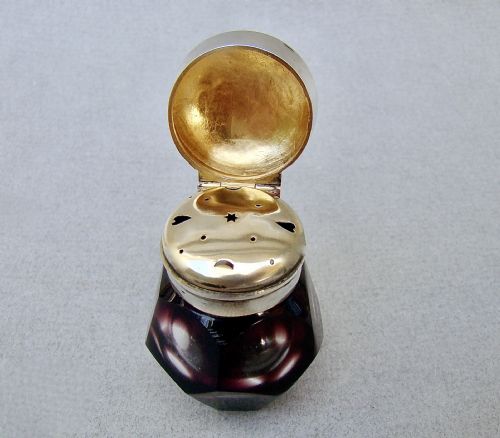
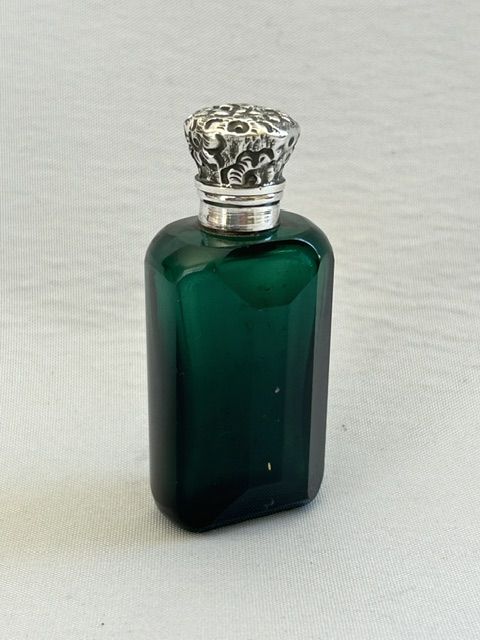
Glassmakers produced bodies in clear cut glass as well as coloured glass including ruby, cranberry, Bristol green, amethyst, and opaline, alongside speckled ceramic effects. Silversmiths mounted these glass bodies with sterling silver, silver gilt, and engraved metal details.
Craftsmen utilised techniques such as glass cutting, etching, enamel painting, and silver mounting to finish each piece. Makers also constructed double-ended versions to hold two different liquids or a scent and vinaigrette combination within a single symmetric frame.
Victorian Smell Bottle Retail Price Guide 2026
Typical asking prices for victorian smell bottle among the pieces listed under this phrase on Sellingantiques today, from the lower quarter to the upper quarter. They describe what is for sale here now, not the wider market.
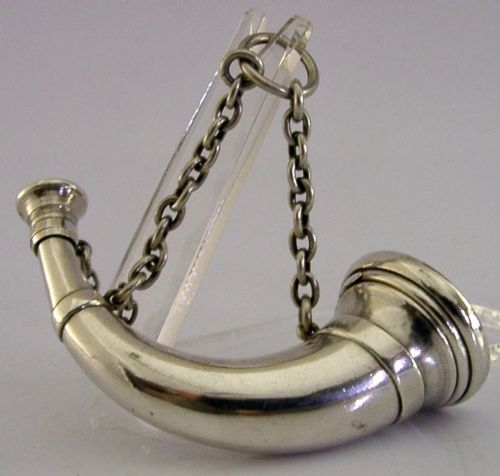
Makers turned miniature champagne bottles and hunting horns into secret scent flasks for Victorian waistcoats.
Distinctions in quality
The standard of a piece depends on the depth and precision of the glass cutting or the intricacy of the silver mounts and engraved detail. Marked silver components by recognised makers elevate a piece above unmarked equivalents.
The choice of coloured glass, such as deep cranberry or vibrant amethyst, combined with complex double-ended mechanisms or novelty forms like hunting horns and speckled eggs, separates standard vessels from finer examples.
Sampson Mordan·Edward Smith
The Victorian Smell Bottle Glossary
- Double-ended scent bottle
- A vessel with caps at both ends, allowing the user to access two distinct compartments. These often housed perfume at one end and smelling salts at the other.
- Silver gilt
- Silver that has been coated with a thin layer of gold on its surface. This technique provided a rich golden appearance while utilising a silver base.
- Opaline glass
- An opaque or translucent glass developed in soft pastel shades, popular for Victorian decorative objects. It provides a smooth, milky surface finish.
- Cranberry glass
- A rich pinkish-red glass produced by adding gold to the molten batch. It gained widespread favour for Victorian tableware and personal accessories.
Victorian Smell Bottle: Frequently Asked Questions
How were double-ended bottles used?
Double-ended bottles provided two separate compartments accessible from opposite ends of the same object. One end typically held liquid perfume while the other contained smelling salts.
This dual function gave Victorian users versatility when carrying personal aromatics throughout the day.
What materials are typical?
The primary materials are glass and silver, working together to form the body and the mounts. Glass bodies appear in clear cut varieties as well as coloured tones like ruby, cranberry, Bristol green, and opaline.
Mounts, caps, and hinges are predominantly formed from sterling silver or silver gilt, frequently decorated with engraved patterns.
How do I identify the date?
Dating relies on hallmarks stamped into the silver mounts, which indicate assay offices and specific years of production. Stylistic details, such as Aesthetic Movement motifs or specific glass colours like cranberry and amethyst, also point to particular decades within the nineteenth and early twentieth centuries.
Makers' marks stamped onto the metal provide further evidence for precise attribution.