



Victorian Small Chair
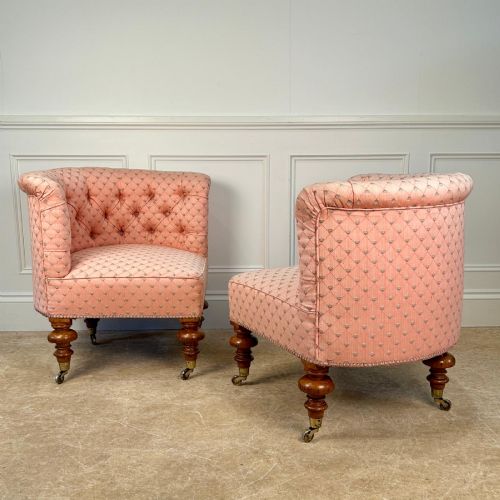
A victorian small chair brings scale and intimacy to a room, offering compact seating that carries the distinct character of the nineteenth century.
Victorian Small Chair
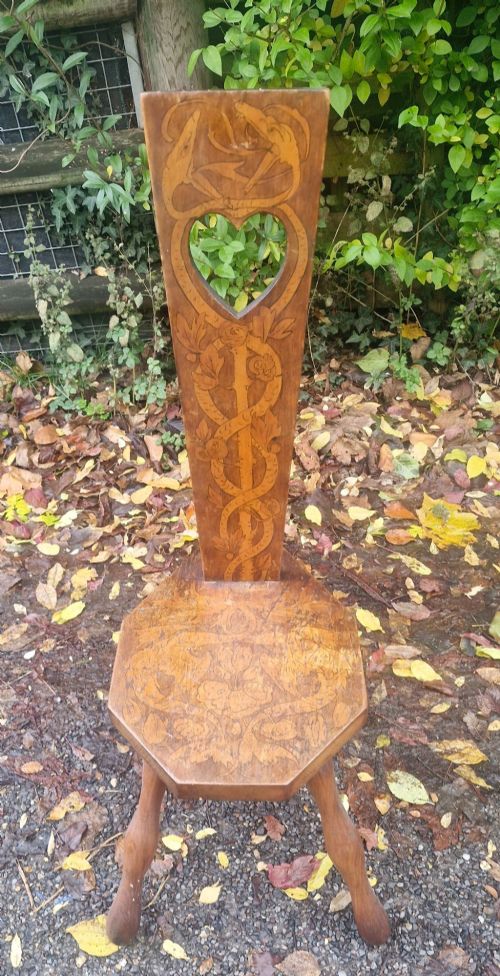
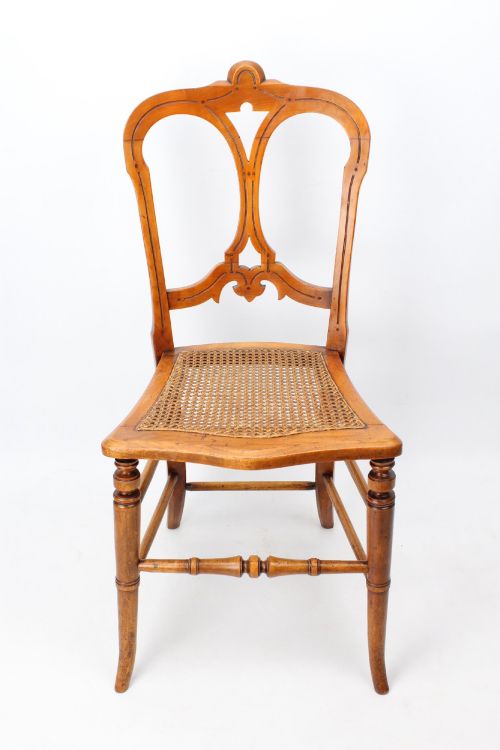
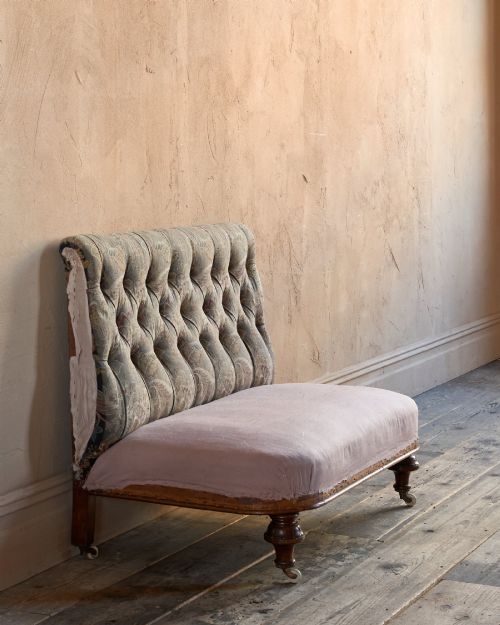
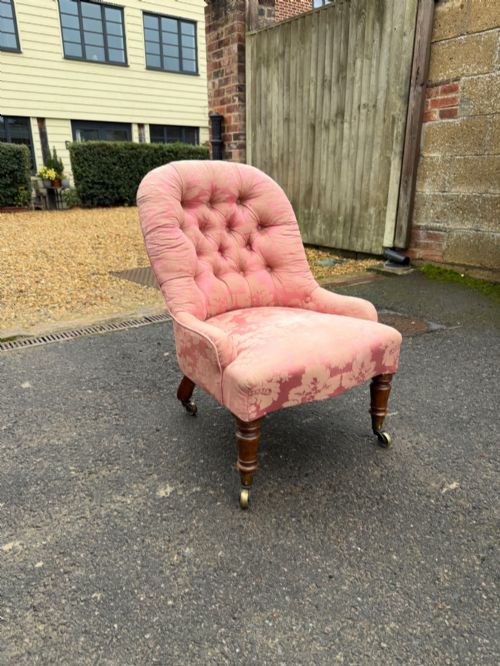
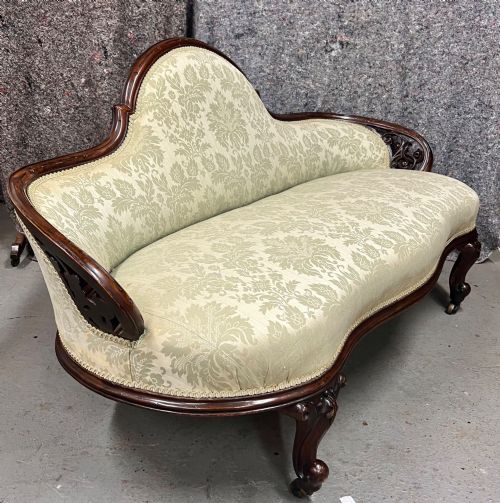
When searching for a victorian small chair, buyers encounter a diverse selection of domestic seating designed for restricted spaces or specific household duties. The evidence shows that these pieces span various forms including armchairs, side chairs, rocking chairs, bedroom chairs, and children's chairs.
Most examples originate from the nineteenth century, encompassing specific periods such as the Regency era and Victorian times, alongside revival styles like Jacobean. Forms range from country rocking chairs and Windsor chairs to library chairs and folding campaign seats, reflecting both refined parlour use and robust provincial life.
How they were made
Construction relies heavily on traditional timber framing using materials such as oak, mahogany, beech, pine, elm, and cane. Joinery techniques connect these woods to form durable structures, occasionally reinforced with brass components or iron backs.
Surface treatments and upholstery complete the manufacture, utilising fabric, leather, rush, and tweed linen. Many frames feature carved details, ebonised finishes, or waxed treatments suited to domestic interiors.
Victorian Small Chair Retail Price Guide 2026
Typical asking prices for victorian small chair among the pieces listed under this phrase on Sellingantiques today, from the lower quarter to the upper quarter. They describe what is for sale here now, not the wider market.
What varies in quality
The standard of a piece rests on the integrity of its timber frame and the skill evident in its construction. Finer examples display precise carving, well-fitted joinery, and materials that have aged with stability.
Distinctions also arise from the originality of the upholstery materials, the presence of maker stamps, and the preservation of surface finishes like original wax or ebonising.
Howard and Sons
The Victorian Small Chair Glossary
- Bergere chair
- An enclosed upholstered armchair with exposed wooden framing and cane-panelled sides. This style provides a lighter visual presence than fully padded seats.
- Windsor chair
- A wooden chair built with a solid saddle-shaped seat into which the legs and back spindles are wedged. These pieces often feature structural stretchers for added support.
- Wainscot chair
- A heavy wooden armchair originating in earlier centuries and revived during the Victorian period. They typically feature panelled backs and substantial carved oak construction.
- Crinoline stretcher
- A curved metal or wooden brace connecting the legs of a chair beneath the seat. It offers lateral stability while contributing a distinct decorative profile.
- Campaign chair
- A portable folding chair designed for easy transport. Nineteenth-century iterations combine hinged wooden frames with upholstered seating.
Victorian Small Chair: Frequently Asked Questions
Where were these chairs used?
These compact seats served varied roles across the domestic interior, from bedrooms and libraries to nurseries and parlours. Their reduced dimensions allowed them to fit comfortably beside dressing tables, hearths, or writing desks.
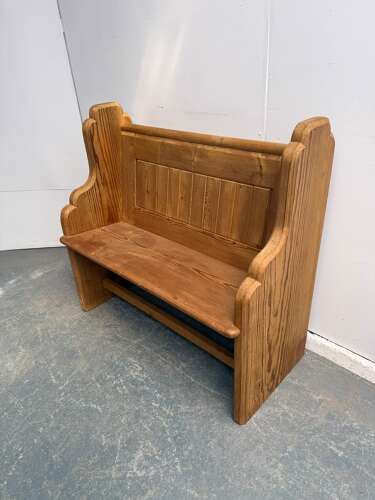
Provincial variants also found practical placement in country houses, churches, and cottages where floor space demanded clever scaling.
How do I identify a children's chair?
Children's chairs and miniature pieces replicate the forms of adult seating but are built to a significantly reduced scale. The listings include examples styled as small armchairs, Windsor chairs, and papier-mâché chairs.
Proportions remain the primary indicator, often accompanied by child-friendly materials like rush seating or doll-scale dimensions.
What woods were commonly used?
Cabinet makers and country joiners utilised a wide selection of native and imported timbers depending on the intended function of the chair. Mahogany and oak appear frequently in more formal or sturdy library and parlour seating.
Other pieces employ beech, pine, elm, and birch, sometimes paired with cane panels, iron supports, or ebonised surface finishes.
Are these chairs suitable for daily use?
Many of these nineteenth-century pieces retain sound structural integrity and function well in modern homes as occasional seating. Their compact dimensions make them practical additions to smaller rooms or reading corners.
Buyers should consider the condition of the upholstery, cane work, and timber frame when planning for regular seating duties.