



Victorian Silver Ring
When examining a victorian silver ring, you engage with jewellery spanning distinct decades of nineteenth-century design, from serpent bands to gemstone settings.
Victorian Silver Ring
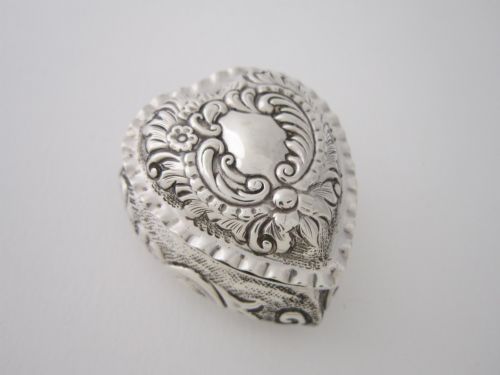
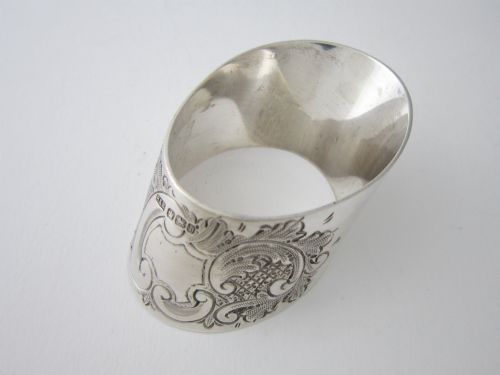
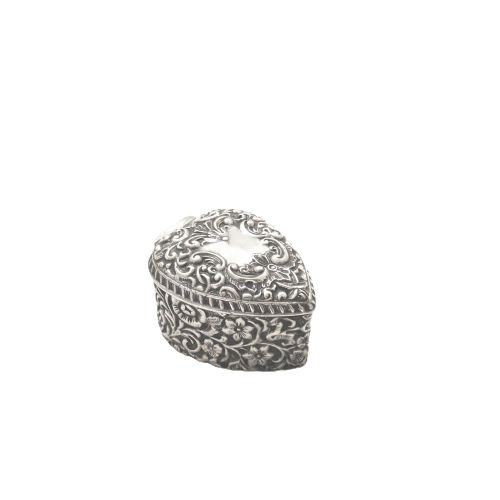
A victorian silver ring encompasses items from the nineteenth century, including dress rings, snake or serpent bands, and occasionally small containers such as pill or snuff ring boxes.
The objects appearing in this category span the Victorian era, extending into adjacent Edwardian and early twentieth-century dates where stylistic continuity remains strong.
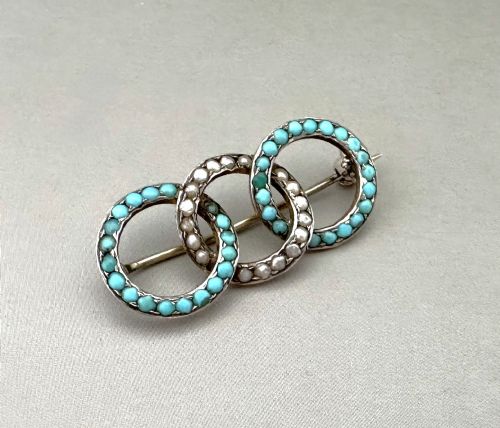
Collectors encounter pieces featuring stones such as rose cut diamonds, turquoise, and pearls alongside plain or engraved silver bands.
Materials and construction
Makers relied primarily on sterling silver and standard silver, frequently shaping metal through casting, repoussé work, or hand engraving.
Gemstones such as diamonds, turquoise, and pearls were hand-set into silver bezels or prongs, reflecting the dominant bench techniques of the period.
Victorian Silver Ring Retail Price Guide 2026
Typical asking prices for victorian silver ring among the pieces listed under this phrase on Sellingantiques today, from the lower quarter to the upper quarter. They describe what is for sale here now, not the wider market.
Some Victorian silver rings doubled as miniature pill boxes, proving that even a tiny band could keep your secrets close.
Judging the work
Quality rests upon the crispness of the chasing or engraving on the silver band and the security of stone settings.
Superior examples display balanced proportions, legible hallmarks, and careful finishing to the inner surfaces of the band.
William Comyns·ASPREY·JAMES HENNELL·Thwaites of London·Josiah Williams and Co·Carrington and Co
The Victorian Silver Ring Glossary
- Sterling silver
- A silver alloy containing 92.5 percent pure silver and 7.5 percent other metals, usually copper, ensuring durability for wearable items. This standard is frequently confirmed by assay office hallmarks.
- Rose cut diamond
- A traditional gemstone cut featuring a flat base and a faceted dome that resembles an opening rosebud. This shape was favoured for its soft lustre under candlelight.
- Hallmark
- An official stamp applied by an assay office indicating metal purity, the maker, and the year of manufacture. These marks provide definitive historical context for dating.
- Repoussé
- A metalworking technique where the artisan hammers the silver from the reverse side to form a raised design in relief. Details are subsequently refined from the front using punches.
Victorian Silver Ring: Frequently Asked Questions
How do I date a victorian silver ring?
Dating relies on reading the assay office hallmarks stamped into the silver band, which denote the specific year of testing and the town of origin. Stylistic markers such as serpent motifs or rose cut diamond settings also point towards specific decades within the nineteenth century.
Comparing the construction methods and shank profiles against dated examples in archives helps narrow the production window further.
Were these rings worn daily?
Many Victorian rings served as everyday adornments, tokens of affection, or mourning jewellery intended for regular wear. Snake motifs and gemstone settings were popular choices for daily personal ornamentation.
More delicate gemstone settings or small pill ring boxes were handled with greater care and kept in fitted cases when not in use.
How should I store my silver ring?
Silver rings benefit from storage in a dry environment away from direct sunlight, ideally in a lined jewellery box or a dedicated compartment. Keeping pieces separated prevents the silver from scratching against other items.
Periodic gentle cleaning with a soft cloth maintains the natural lustre of the silver without removing the subtle patination accumulated over time.