




Victorian Silver Ring Box
A victorian silver ring box brings diminutive charm to a dressing table, housing small treasures in solid metal and plush lining.
Victorian Silver Ring Box
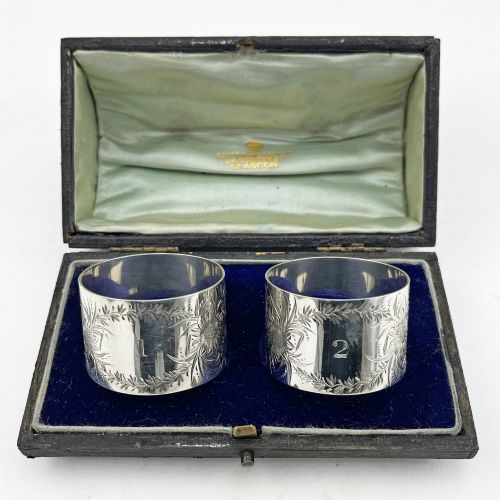
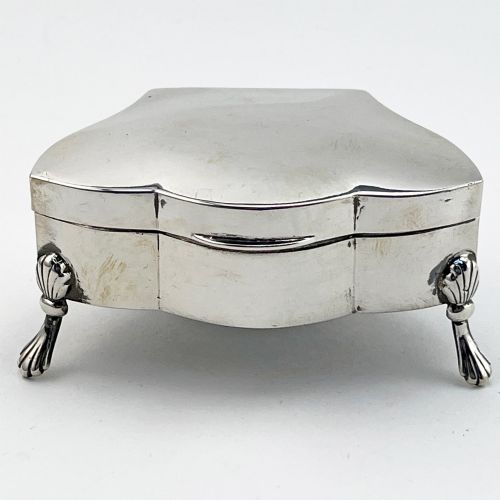
A victorian silver ring box serves as a small receptacle designed specifically to protect and display rings on a dressing table or vanity. These pieces emerge predominantly from the Victorian and late Victorian periods, spanning the late nineteenth century.
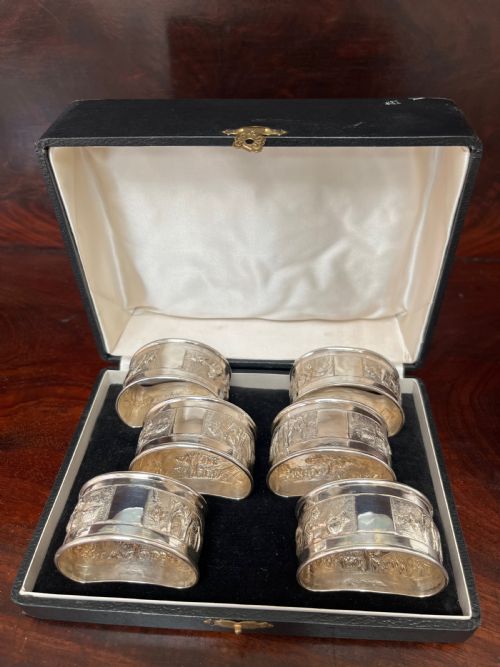
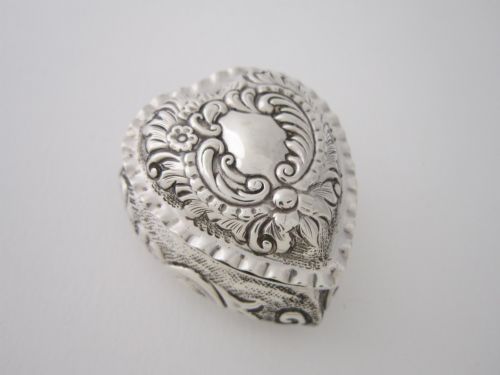
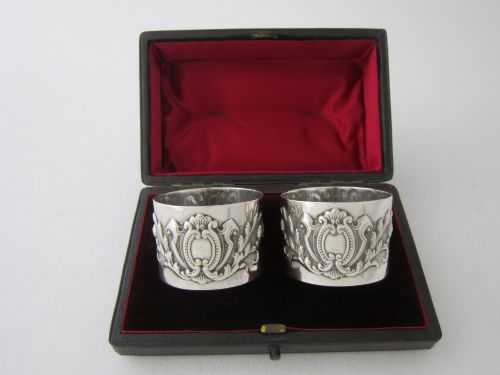
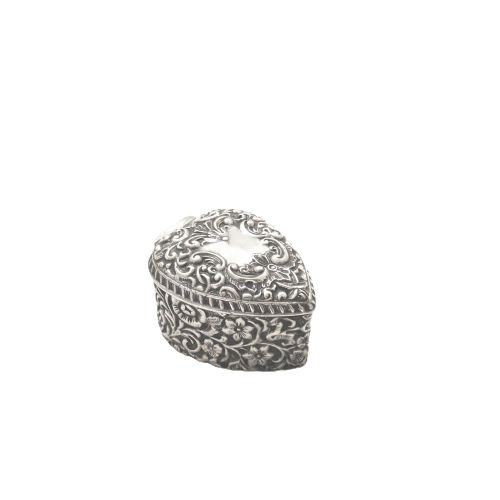
The form frequently appears as a heart shape or a compact circular casket, often lined with velvet or silk to cradle jewellery securely. Buyers also encounter similar trinket boxes and pill boxes sharing the same scale and precious metal construction.
How They Were Made
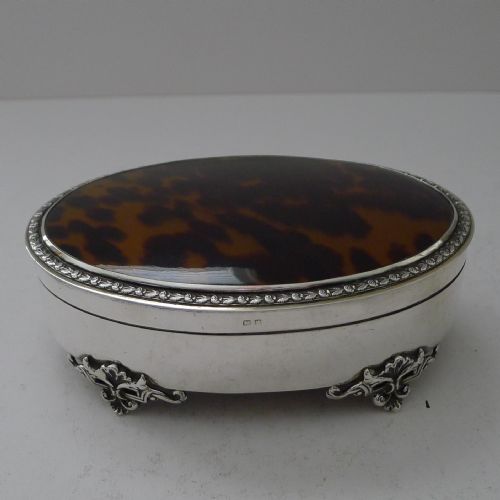
Silversmiths constructed these boxes using sterling silver, sometimes incorporating materials like tortoiseshell, wood, or leatherette into the lid or body. The exterior metal surfaces frequently display embossed motifs, pierced detailing, or smooth polished panels.
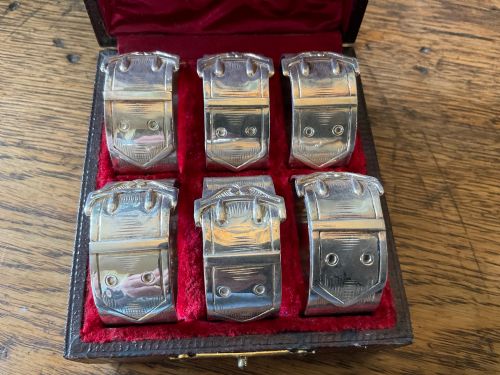
Interiors rely on fitted inserts upholstered in velvet or silk, creating a soft bed for jewellery storage. Hinges and catches secure the lids, uniting metalwork with textile craft.
Victorian Silver Ring Box Retail Price Guide 2026
Typical asking prices for victorian silver ring box among the pieces listed under this phrase on Sellingantiques today, from the lower quarter to the upper quarter. They describe what is for sale here now, not the wider market.
Dating spans the nineteenth and twentieth centuries, with a strong concentration of pieces from the Victorian era.
What Varies in Quality
Quality rests upon the weight of the sterling silver used in the body and the intricacy of any embossed or pierced decoration. Substantial gauge metal and crisp detailing distinguish finer examples from lighter alternatives.
The condition and survival of the original velvet or silk lining also influence the character of a piece. Well-preserved interiors maintain the integrity of the object as a dressing table accessory.
William Comyns·H. Matthews·Asprey·George Unite·John Round
The Victorian Silver Ring Box Glossary
- Sterling Silver
- An alloy containing substantial silver content, standard for quality British tableware and small boxes of the nineteenth century.
- Hallmark
- A series of stamped marks on the metal indicating the maker, assay office, and year of manufacture.
- Trinket Box
- A small container utilised for holding minor personal ornaments, coins, or pins.
- Velvet
- A piled fabric commonly employed to line the interior wells of ring and jewellery boxes.
Victorian Silver Ring Box: Frequently Asked Questions
What is a victorian silver ring box used for?
These small caskets served to store and display precious rings on dressing tables during the nineteenth century. Their velvet or silk linings protected delicate jewellery from scratches.
Today, collectors utilise them for the same purpose, keeping daily wear rings safe on bedside tables or desks.
How do I date a silver ring box?
Dating relies upon the hallmarks stamped into the silver, which record the assay office and the specific year letter. Makers' marks also help identify the silversmith and period of production.
Stylistic cues such as heart shapes or floral embossing offer further clues to whether a piece belongs to the Victorian or Edwardian era.
Are these boxes made of solid silver?
Many examples consist of solid sterling silver, particularly those bearing British hallmarks from the nineteenth century. Some pieces incorporate other materials like tortoiseshell or leatherette on the lids.
Buyers should examine the hallmarks and interior construction to confirm the metal standard used throughout the body.
How do I clean the velvet inside?
Interior velvet and silk linings require gentle treatment, as moisture can damage the aged fabric and underlying structure. A soft, dry brush helps remove dust without disturbing the fibres.
Harsh cleaning agents should remain entirely away from the fabric to preserve the original antique interior.