





Victorian Silver Pendant Necklace
These victorian silver pendant necklace pieces combine period metalwork with gemstones, offering wearable history that collectors prize.
Victorian Silver Pendant Necklace
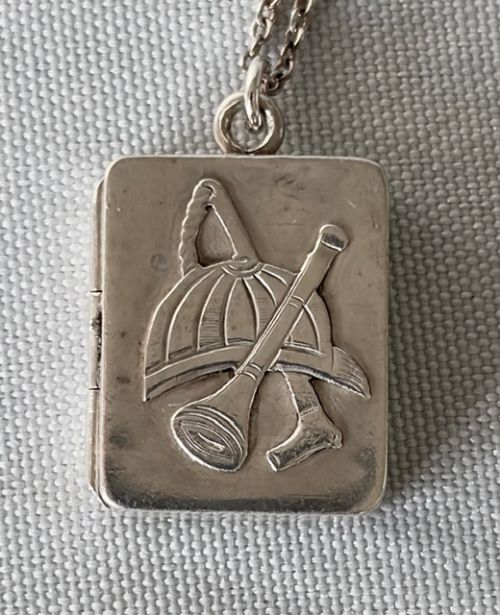
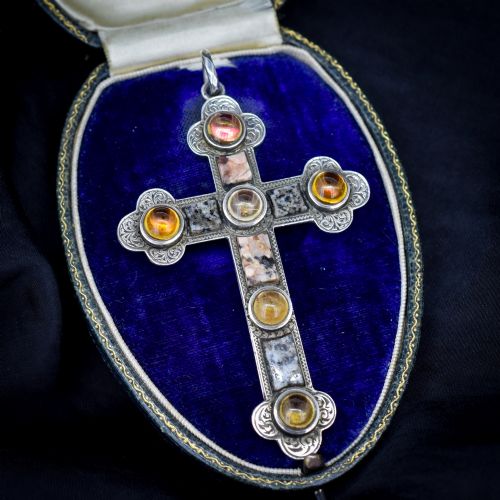
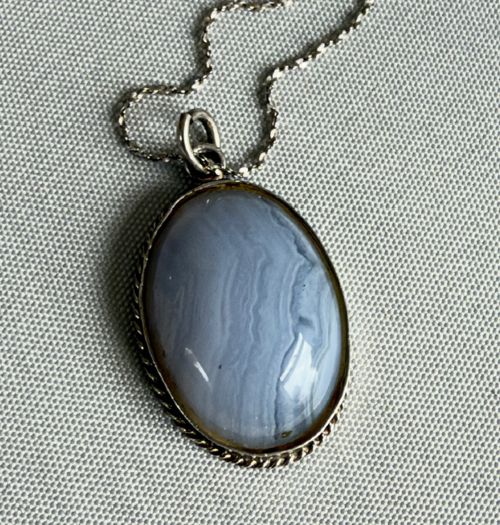
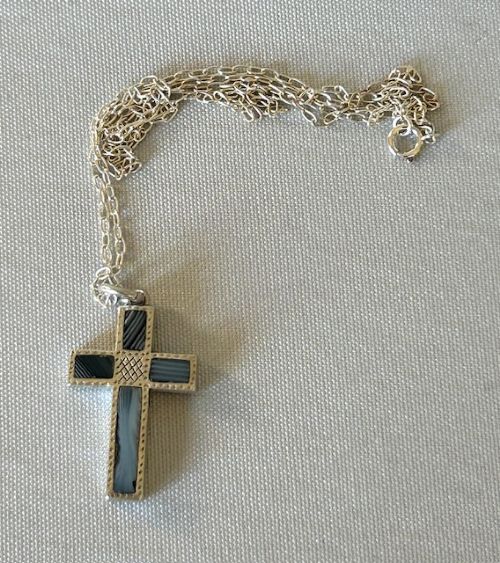
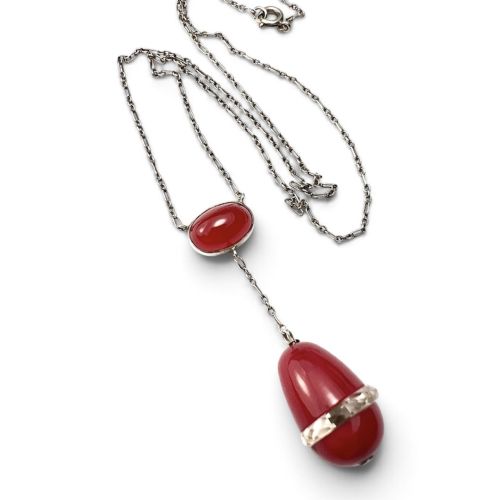
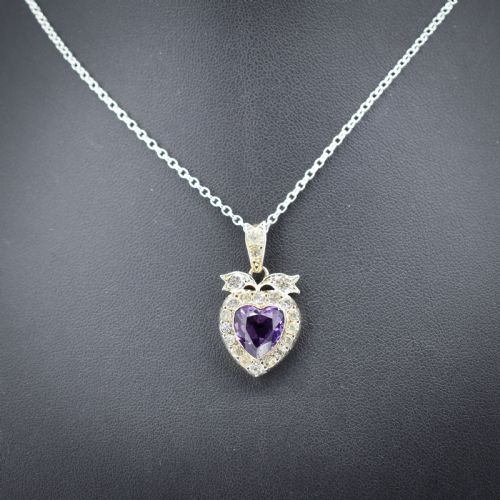
A victorian silver pendant necklace brings together nineteenth-century craftsmanship and precious or semi-precious materials, forming a distinct category of antique jewellery. You will find lockets, gem-set drops, and chains spanning the Victorian era alongside related pieces from the Edwardian period and the early twentieth century.
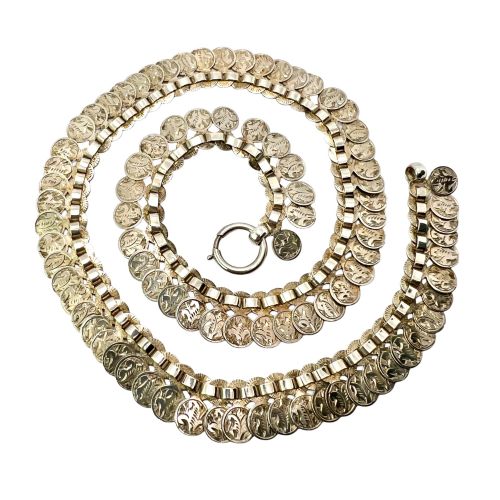
The selection ranges from simple engraved silver coins and curb link chains to elaborate Austro-Hungarian multi-gem creations and Renaissance Revival designs. Many items combine silver with gold, diamonds, pearls, enamel, and turquoise, reflecting the diverse stylistic revivals of the nineteenth century.
Materials and construction
Silversmiths utilised sterling silver alongside gold, shaping metal into filigree, curb links, and solid locket cases. Gems such as diamonds, opals, sapphires, rubies, and paste stones were set by hand, often paired with pearls and turquoise.
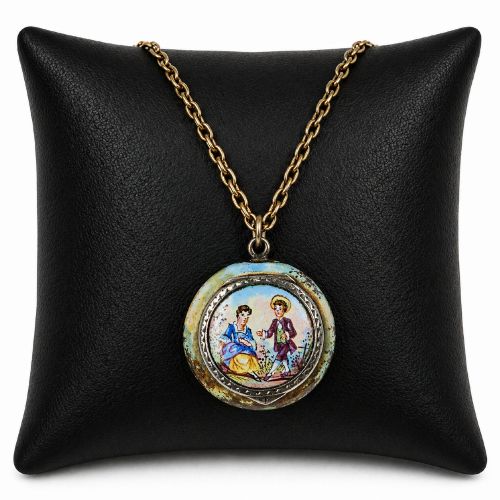
Enamelling techniques added vibrant colour, particularly evident in Austro-Hungarian and Viennese pieces. Craftspeople also incorporated tortoiseshell, cranberry glass, and carved stones into pendant designs.
Victorian Silver Pendant Necklace Retail Price Guide 2026
Typical asking prices for victorian silver pendant necklace among the pieces listed under this phrase on Sellingantiques today, from the lower quarter to the upper quarter. They describe what is for sale here now, not the wider market.
A tiny cranberry glass scent bottle disguised as a penny hangs ready for a Victorian pocket.
Assessing quality and execution
The distinction between standard items and exceptional pieces lies in the precision of the stone setting and the complexity of the metalwork. Hand-cut diamonds and intricate filigree demand superior skill compared to simpler stamped or engraved designs.
Condition and originality also dictate standing, with complete matching chains, intact enamel work, and secure gemstone mountings representing the higher tier of nineteenth-century jewellery production.
Henry Cook·Sampson Morden·Edith Stewart
The Victorian Silver Pendant Necklace Glossary
- Paste
- Hand-cut glass or lead crystal used as a gemstone substitute in antique jewellery. It was highly valued in its own right during the eighteenth and nineteenth centuries for its brilliant refractive qualities.
- Filigree
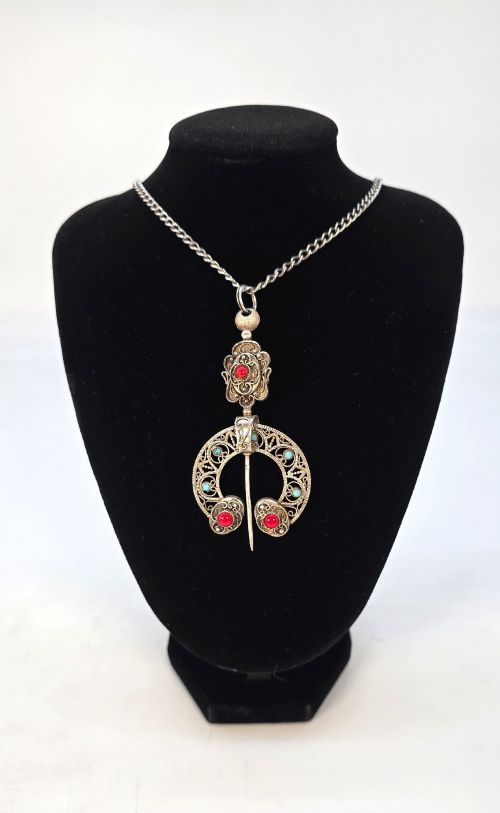
- Delicate jewellery-making technique where fine silver or gold threads are soldered together to form openwork patterns. This method creates intricate lace-like designs without adding heavy weight to the pendant.
- Locket
- A hinged pendant designed to open and enclose a small portrait, lock of hair, or miniature memento. Victorian examples often feature elaborate floral engraving or gemstone settings on the cover.
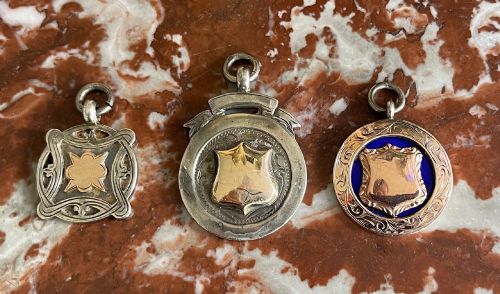
- Watch fob
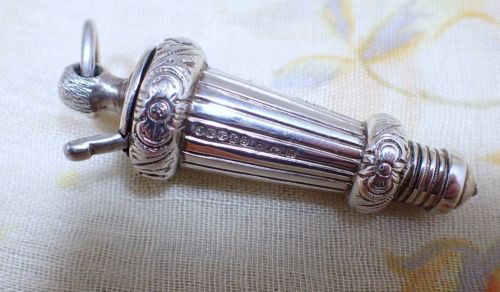
- A short chain or ornament attached to a pocket watch, frequently repurposed as a pendant necklace in antique jewellery. Birmingham silver examples often carry clear hallmarks.
- Old cut
- A diamond cutting style predecessor to the modern brilliant, characterised by a smaller table, higher crown, and deep culet. These stones display a distinctive warm sparkle under candlelight.
Victorian Silver Pendant Necklace: Frequently Asked Questions
How do I date a silver pendant?
Dating relies on stylistic clues such as revival motifs, gemstone cuts, and fastening types. Hallmarks where present provide specific registry years.
Examining the construction of the setting and the wear on the silver helps place the piece within the Victorian or Edwardian eras.
Can I wear these antique necklaces daily?
Most pieces are robust enough for occasional wear, provided you handle delicate elements like filigree and glass paste with care. Antique lockets and chains benefit from gentle storage away from moisture.
Removing jewellery before swimming or sleeping preserves the integrity of the silver and secures fragile gemstone settings.
What is Austro-Hungarian revival style?
This style draws on Renaissance traditions, featuring heavy silverwork, polychrome enamel, and multi-gem clusters of pearls, turquoises, and garnets. Pieces often display symmetrical arrangements around a central focal stone.
The aesthetic is bold and ornate, reflecting Central European craftsmanship of the nineteenth century.
Are chains usually original to the pendants?
Many pendants arrive paired with period-appropriate curb link or drop chains, though some were matched later by collectors. Examining the colour and wear of the silver helps determine if the components originated together.
T-bars and dog clips on these chains often indicate Victorian watch chain origins.