




Victorian Signet Ring
A victorian signet ring carries personal initials or family seals cast in heavy gold, offering a tangible link to nineteenth-century heritage.
Victorian Signet Ring
A victorian signet ring represents a class of finger adornment traditionally utilised for sealing documents with wax. The examples encountered on this page typically originate from the nineteenth century, spanning periods from the 1850s to the late 1900s.
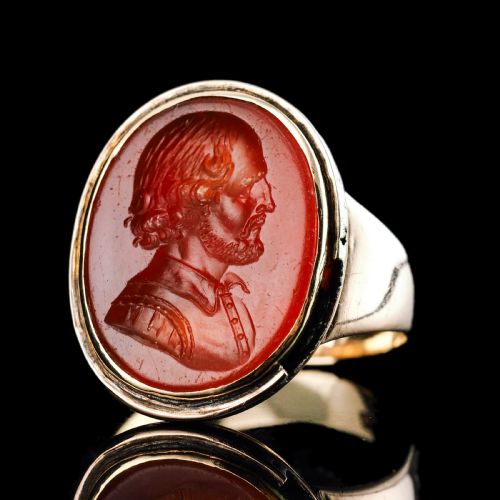
Most pieces take the form of heavy yellow or rose gold bands featuring flat hardstone faces, engraved intaglios, or plain metal bezels intended for monograms. These items range from sturdy men's heraldic styles to smaller pinky rings.
Makers of the era employed materials such as 9ct gold, 18ct gold, bloodstone, agate, onyx, and carnelian. The selection demonstrates both utilitarian purpose and decorative expression typical of the period.
How they were made
Goldsmiths constructed these bands primarily from 9ct and 18ct gold, casting or hammering the metal to achieve substantial weight and durability. Bezels were engineered to securely hold flat slices of hardstone or thick expanses of solid gold suitable for deep engraving.
Hardstone varieties such as bloodstone, agate, onyx, and carnelian were selected for their hardness and cut to fit tightly within the gold shoulders. Engravers then utilised hand tools to carve intaglios, crests, and monograms directly into the metal or stone surface.
Victorian Signet Ring Retail Price Guide 2026
Typical asking prices for victorian signet ring among the pieces listed under this phrase on Sellingantiques today, from the lower quarter to the upper quarter. They describe what is for sale here now, not the wider market.
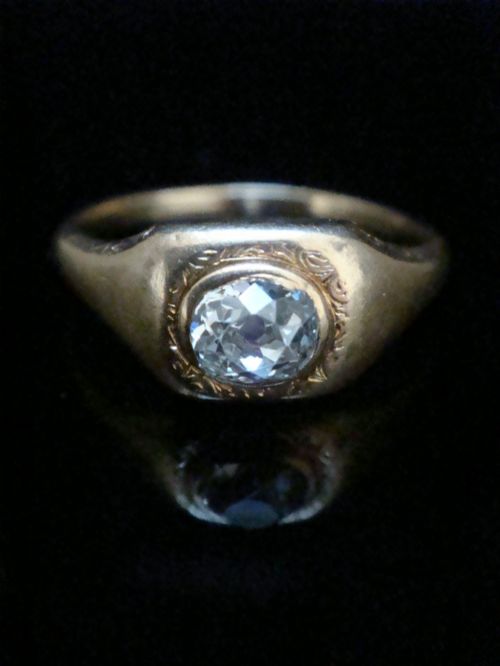
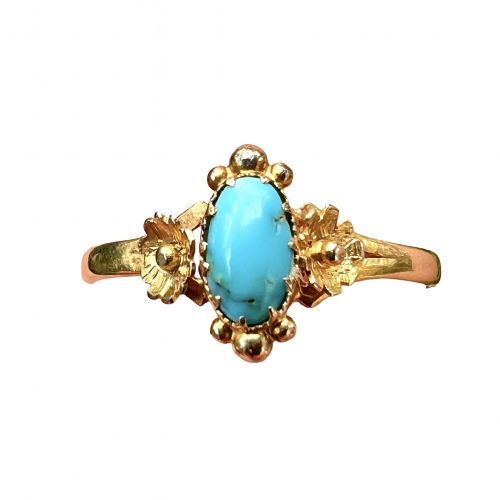
Materials appearing across these ring forms include diamond, turquoise, agate, onyx, bloodstone, carnelian, and hardstone set into yellow and rose gold.
What varies in quality
The weight and purity of the gold dictate the primary tier of craftsmanship, with heavier 18ct mountings generally representing more substantial investment pieces than lighter 9ct equivalents. The thickness of the bezel directly influences how well an intaglio or monogram survives centuries of wear.
Artistic execution separates standard production from superior examples, visible in the crispness of hand-engraved monograms and the flawless polish of hardstone faces like bloodstone and onyx. Well-preserved hallmarks add documentary value, confirming assay office origins and exact dates of manufacture.
The Victorian Signet Ring Glossary
- Signet ring
- A ring bearing a seal or monogram, traditionally used to stamp wax documents. These pieces often feature flat hardstone or solid metal faces.
- Intaglio
- A design carved into the surface of a gemstone or metal so that an impression pressed into wax appears in relief. Hardstones like carnelian and agate frequently display this technique.
- Bezel
- The upper section of a ring that holds a stone or displays an engraved surface. In signet rings, this part is typically broad and flat.
- Hardstone
- A semi-precious stone of high mineral hardness, such as bloodstone, onyx, or carnelian, used for carving seals and cameos.
- Hallmark
- An official stamp applied by an assay office indicating metal purity and year of manufacture. British pieces often show town marks and date letters.
Victorian Signet Ring: Frequently Asked Questions
How do I wear a signet ring?
These rings traditionally sit on the little finger, known as the pinky, or the ring finger of either hand. Their substantial gold weight suits daily wear, though care should be taken with softer hardstone faces.
Matching the ring to your preferred metal tone ensures it coordinates easily with other jewellery items you might wear alongside it.
Can I resize a vintage gold signet ring?
Skilled jewellers can alter the band size of most gold rings, provided the adjustment is modest. Solid gold shanks without intricate shoulder engravings adapt to resizing much more easily.
Preserving any historical hallmarks stamped inside the band requires careful assessment by a professional before any metal work begins.
How do I care for antique hardstone?
Hardstones like bloodstone, carnelian, and agate resist everyday wear but benefit from gentle cleaning with warm soapy water and a soft cloth. Avoiding harsh chemical dips protects both the polished stone and the surrounding gold mount.
Storing the ring separately in a lined box prevents the hard face from scratching softer jewellery pieces.