

Victorian Side Desk Drawers
Victorian side desk drawers are practical nineteenth-century pieces designed for compact writing and storage, bringing period character and useful surface space to a room.
Victorian Side Desk Drawers
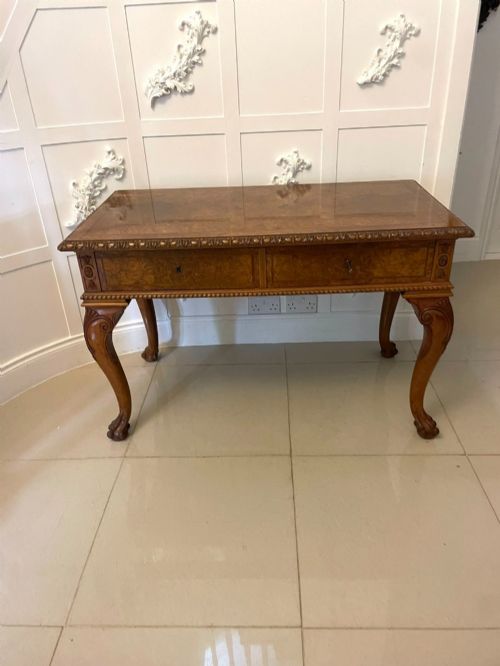
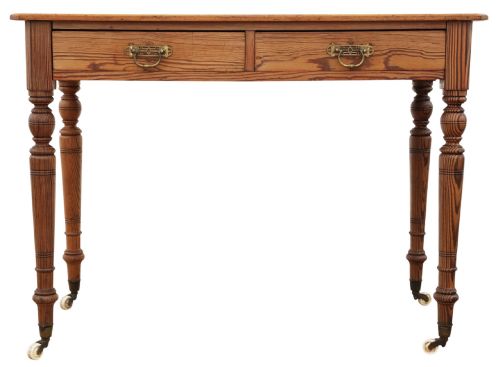
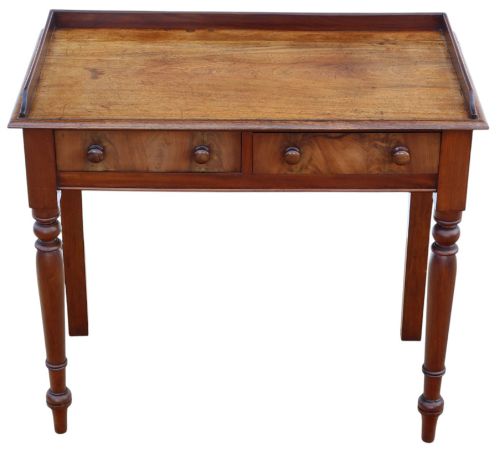
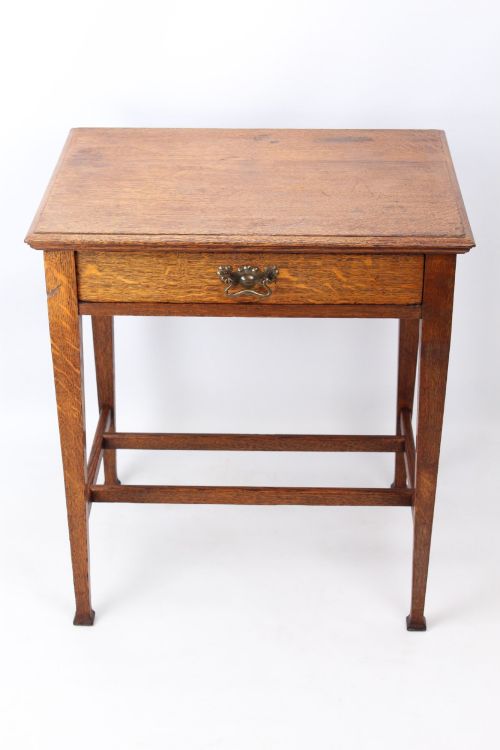
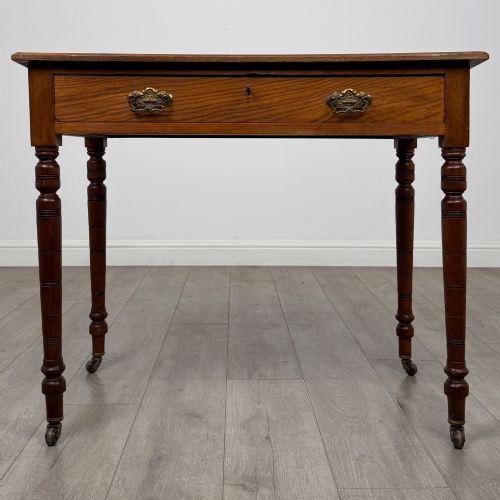
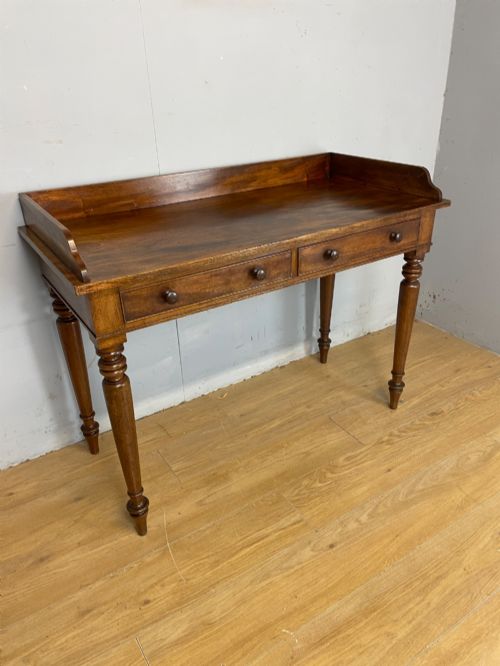
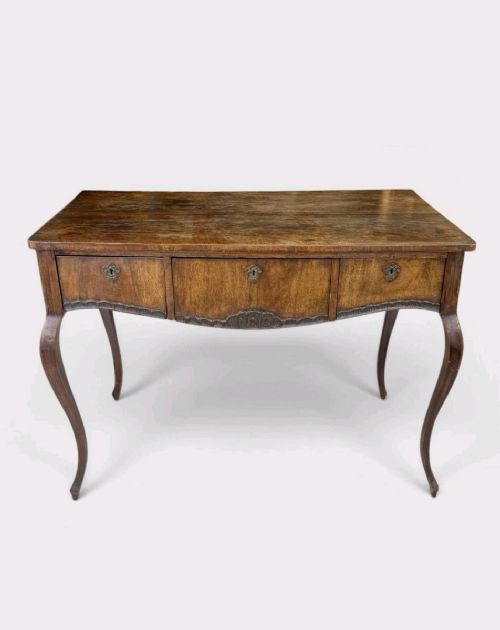
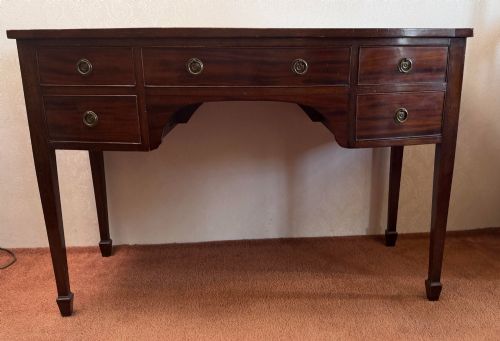
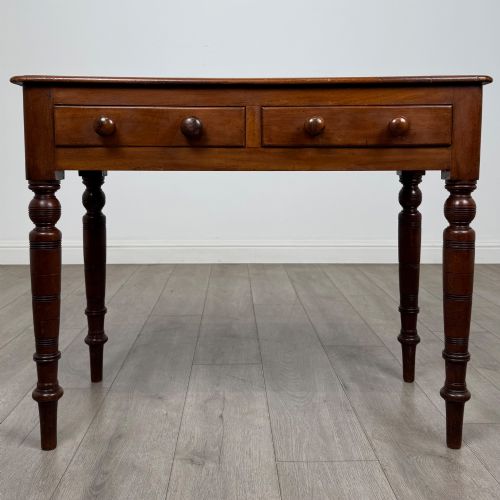
Victorian side desk drawers cover a variety of compact writing tables, dressing tables, and side tables outfitted with functional storage drawers. These pieces bridge the gap between occasional furniture and dedicated writing surfaces, often featuring single or multiple drawers set into the frieze.
The versions most commonly met on this page span the nineteenth century, including specific dates from the 1850s through the 1890s, alongside related revival styles. You will find standard side tables alongside writing desks and Davenport desks equipped with integrated stationery compartments.
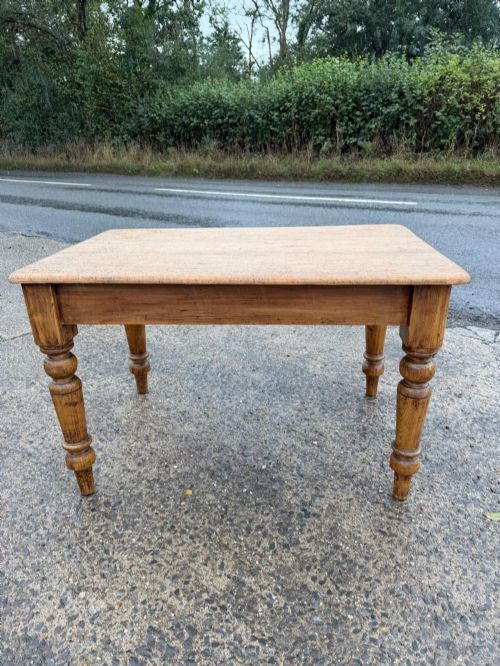
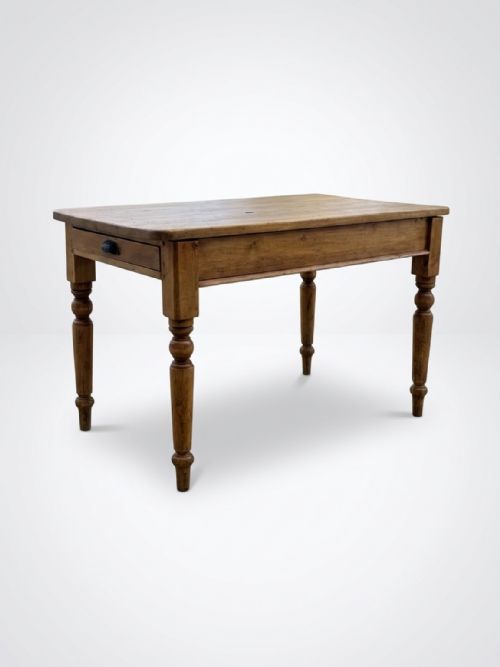
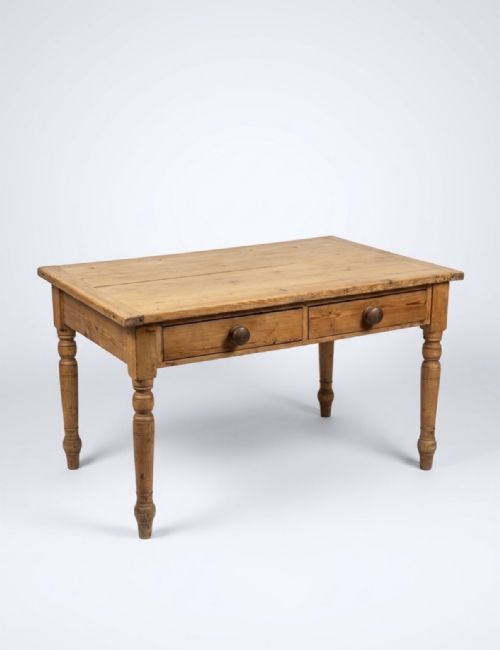
Makers and workshops of the period produced these items in diverse forms, from humble farmhouse pine tables to formal mahogany and walnut library desks. Their primary function remains straightforward, offering a steady surface for correspondence alongside accessible drawer space.
How they were made
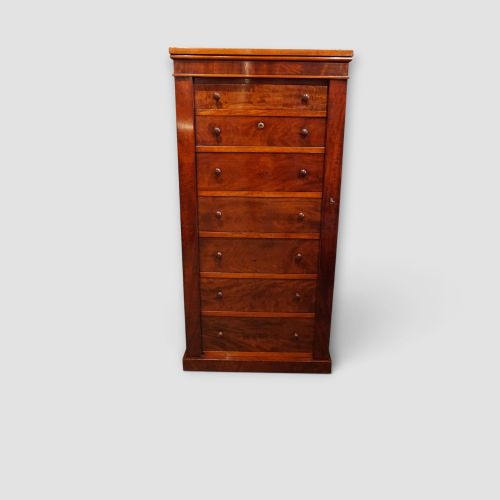
Cabinet makers utilised a range of domestic and exotic timbers, relying heavily on solid mahogany, walnut, and oak for formal examples, while utilitarian pieces employed pine and pitch pine. Finer pieces often incorporated decorative veneers such as flame mahogany, satinwood, amboyna, or burr walnut across the drawer fronts and primary surfaces.
Construction techniques focused on durability, with dovetailed drawer joints and turned or tapering legs supporting the upper structure. Many writing tables also feature inset leather writing surfaces bordered by subtle gilt tooling, combining functional utility with cabinet-making skill.
The selection includes formal Davenport desks alongside rustic farmhouse tables and console variants with single or multiple drawers.
What varies in quality
The distinction between standard utility items and finer pieces rests in the selection of materials and the crispness of the joinery. Superior examples display carefully matched timber veneers, precise dovetails, and secondary woods of equal grade within the drawer linings rather than cheaper substitutes.
Proportion and decorative restraint set the better-made items apart from plain commercial production. Details such as turned wooden knobs, fine brass handles, and secondary mouldings elevate a simple side table into a considered piece of period furniture.
Gillows·Edwards & Roberts
The Victorian Side Desk Drawers Glossary
- Frieze drawer
- A drawer integrated directly beneath the upper surface or tabletop within the horizontal framework of the piece. These single or double drawers form the primary storage on many side tables and writing desks.
- Davenport
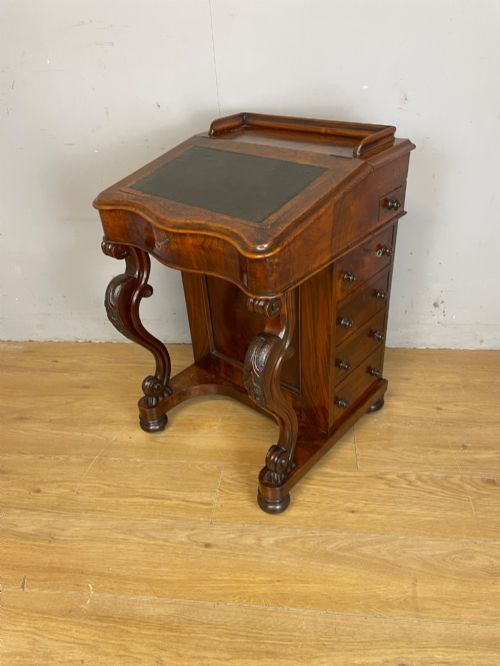
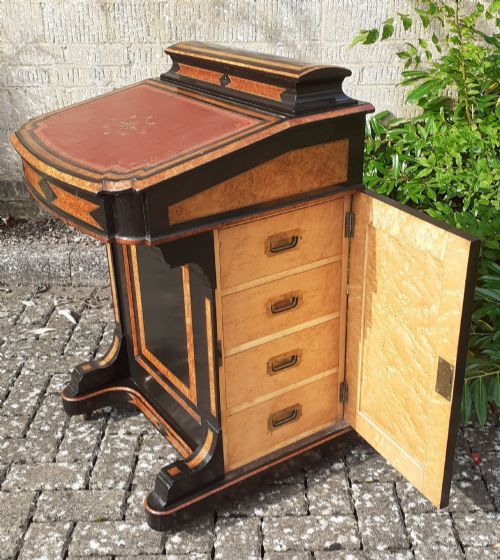
- A compact pedestal desk featuring a sloping, hinged writing surface and a bank of side drawers accessed from the right or left. They often incorporate internal stationery compartments and small pigeonholes.
- Partners desk
- A large freestanding desk designed to be used from both sides simultaneously, featuring matching banks of drawers or cupboards beneath opposing tops. They offer substantial workspace and generous storage capacity.
- Secretaire
- A cabinet or chest incorporating a pull-out or drop-down writing drawer that conceals smaller interior compartments and pigeonholes. This hybrid form disguises a dedicated writing space within a standard chest configuration.
- Flame mahogany
- Timber cut from the fork of the mahogany tree to reveal a distinctive, flamy figure in the grain pattern. It was frequently utilised on prominent drawer fronts and surfaces during the nineteenth century.
Victorian Side Desk Drawers: Frequently Asked Questions
How were Victorian side desk drawers used?
These tables served multiple domestic purposes, primarily functioning as secondary writing surfaces for correspondence or accounts in bedrooms, drawing rooms, and studies. The integrated drawers kept paper, ink, and personal items close at hand without cluttering the main tabletop.
In larger houses, similar tables stood in hallways or corridors for sorting post, while smaller versions doubled as dressing tables with convenient surface storage for daily essentials.
Where should I place a side desk in my home?
A compact Victorian side desk suits tight spaces like narrow hallways, alcoves, or bedroom corners where a full-sized partner desk would overwhelm the room. Their finished backs and freestanding proportions also allow them to sit away from walls.
Living with these pieces involves using the surface for lamps or decorative objects while retaining the drawer space for everyday clutter, blending historic character with modern utility.
How do I identify a Davenport desk?
A Davenport is immediately recognisable by its compact, boxy pedestal form topped with a sloping, hinged leather-lined writing flap. The drawers open along one side rather than facing the user, often pivoting outwards or sliding independently.
Many examples include a small stationery box on top of the sloping lid and concealed compartments accessed by lifting internal sections, making them distinct from standard flat-topped writing tables.
What is the difference between pitch pine and standard pine?
Pitch pine is a denser, harder North American softwood containing a high resin content, which gives the wood a pronounced, reddish-brown grain pattern. It was heavier and more durable than the softer Baltic pine commonly used in everyday British farmhouse furniture.
Furniture built from pitch pine typically feels heavier and exhibits a warmer, more vibrant natural hue than the pale, knotty surface of standard yellow or white pine.