






Victorian Showcase
A victorian showcase offers a clear window into the past, protecting and presenting cherished objects through glass panels.
Victorian Showcase
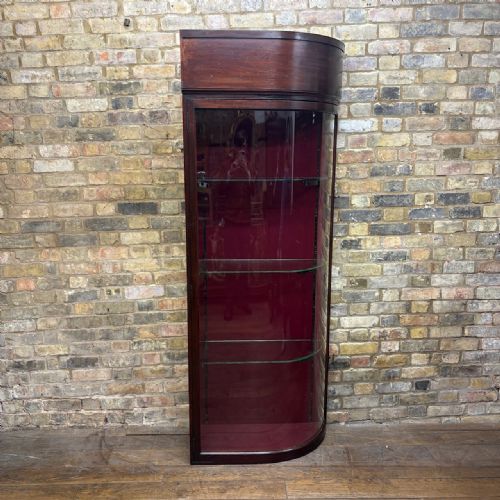
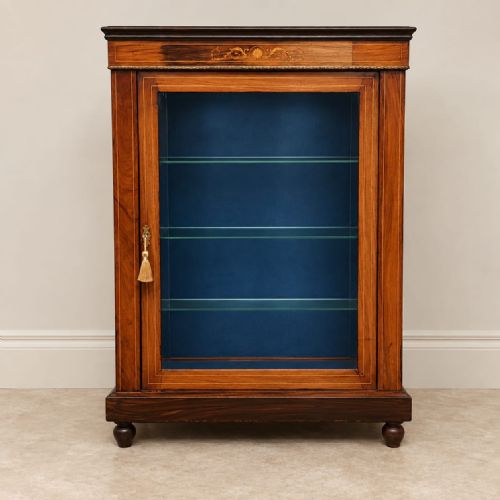
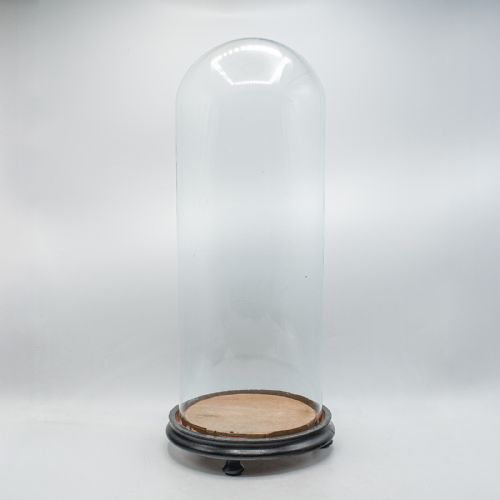
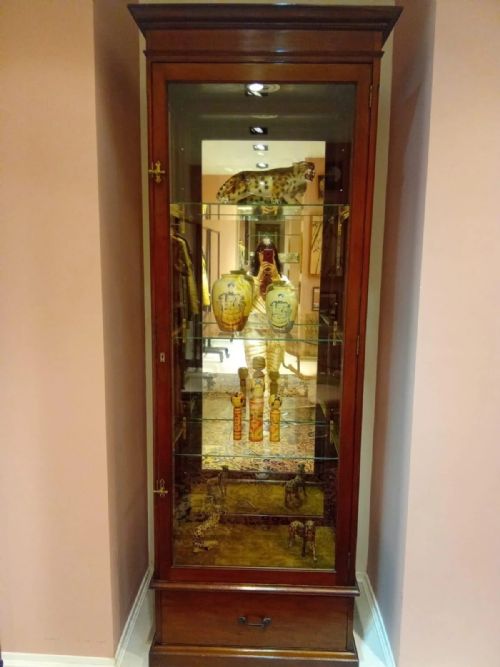
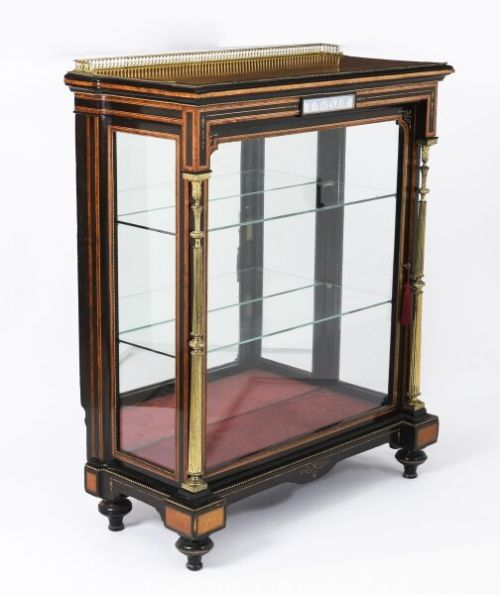
A victorian showcase encompasses various glazed enclosures designed to exhibit precious items, models, and specimens within domestic and commercial settings. Buyers encounter numerous forms, ranging from towering floor standing display cabinets and pier cabinets to countertop shop vitrines and glass domes.
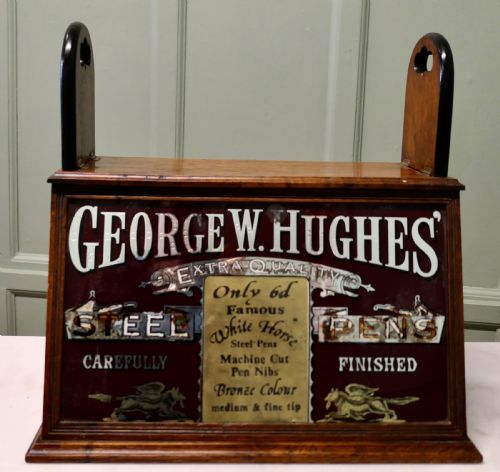
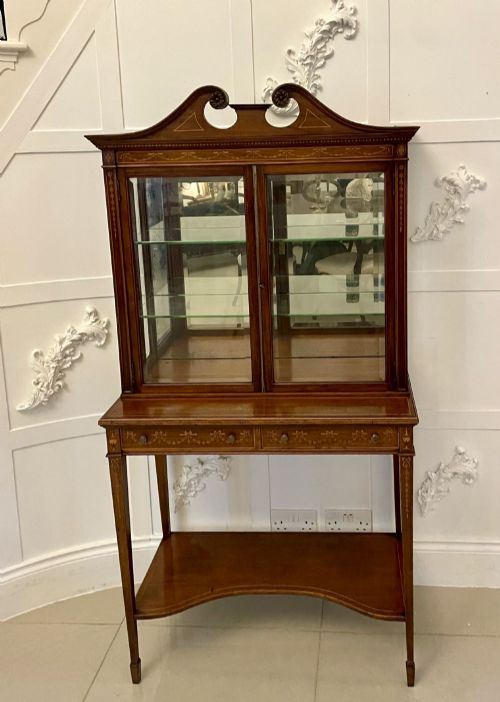
Domestic pieces typically utilise rich timbers such as mahogany, walnut, and amboyna, often incorporating inlaid details or mirror panels. Commercial variants serve trade purposes, housing stationery, confectionery, and firearms behind glazed doors or within counter tops.
The selection extends to specialised enclosures like taxidermy showcases and clock domes resting on wooden bases. These items bridge the gap between functional storage and deliberate visual presentation.
Materials and Construction
Cabinet makers utilised dense hardwoods including mahogany, oak, and walnut, frequently applying ebonised finishes or brass mounts for decorative contrast. Glazing formed a primary component, requiring large sheets of clear glass fitted into timber frames or secured beneath freestanding glass domes.
Interior elements incorporated adjustable glass shelving, fabric linings, and mirrored backs to enhance light circulation around displayed objects. Bases for domes utilised turned woods such as pine and oak to support heavy glass covers securely.
Victorian Showcase Retail Price Guide 2026
Typical asking prices for victorian showcase among the pieces listed under this phrase on Sellingantiques today, from the lower quarter to the upper quarter. They describe what is for sale here now, not the wider market.
Listings feature items incorporating glass, brass, mahogany, ebonised wood, fabric, wood, mirror, and ormolu across the Victorian and Edwardian periods.
Factors of Quality
Quality separates ordinary utility pieces from finer examples through the selection of timber veneers, such as burr walnut and amboyna, paired with precise joinery. Superior cases exhibit refined details like inlaid stringing, solid brass fittings, and well proportioned glass panels.
Commercial items demonstrate distinction through original sign written advertising and robust internal configurations designed for daily trade use. The clarity of the glass and the stability of the supporting wooden base govern the overall standard of display domes.
The Victorian Showcase Glossary
- Pier cabinet
- A low glazed cabinet designed to stand against the wall space between windows. These pieces often feature marquetry inlay and Ormolu mounts.
- Glass dome
- A blown glass cover utilised to protect delicate items like taxidermy specimens and clocks from dust. They rest upon fitted wooden bases.
- Bijouterie table
- A glass topped table created to display small ornaments and personal accessories. They incorporate hinged lids for internal access.
- Ormolu
- Gilt bronze mounts applied to furniture for decorative effect. This technique adds metallic highlights to timber surfaces.
- Vitrine
- A glass fronted cabinet or display case used for showing fine objects. The term originates from the French word for glass.
Victorian Showcase: Frequently Asked Questions
What did people store inside a Victorian showcase?
These enclosures held diverse contents ranging from delicate taxidermy specimens and pocket watches to retail goods like chocolate and stationery.
Domestic examples protected decorative ceramics and collectibles, whilst shop versions presented merchandise securely to prospective customers.
How do I place a display cabinet in a modern room?
Tall cabinets fit well against plain walls where their glazed doors and timber frames can draw the eye without cluttering the floor space.
Countertop models sit comfortably on sideboards or desks, offering elevated display areas for smaller personal collections.
Are glass domes attached to their bases?
Most glass domes rest freely within a dedicated groove carved into the wooden base rather than being permanently glued down.
This loose fit allows collectors to lift the glass cover carefully when adjusting the specimens or ornaments positioned inside.
How do I distinguish a shop cabinet from a domestic one?
Shop cabinets typically feature robust construction, countertop proportions, or specific utilitarian internal layouts intended for daily commercial trade.
Domestic variants rely on decorative veneers like mahogany and walnut, accompanied by delicate inlay and mirrored interiors designed for home drawing rooms.