

Victorian Shelves
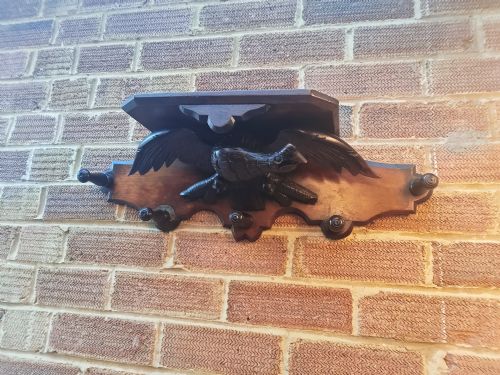
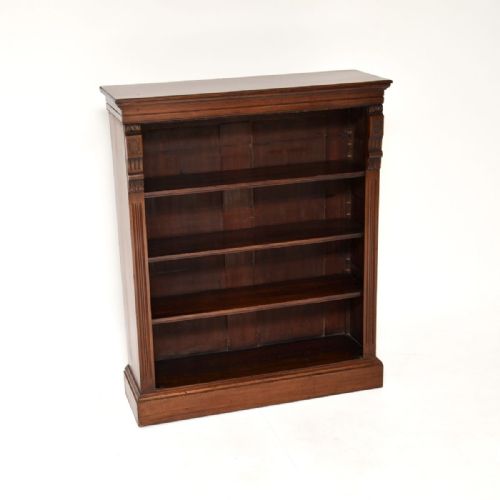
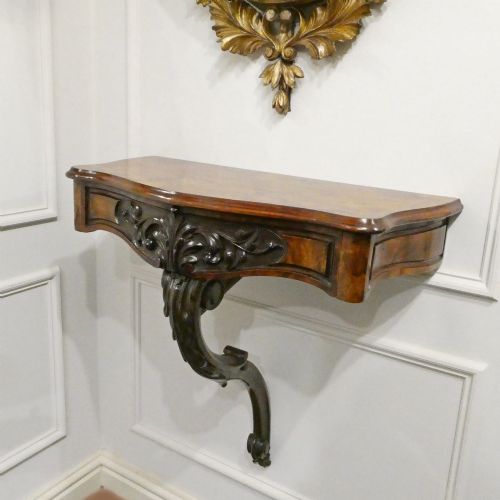
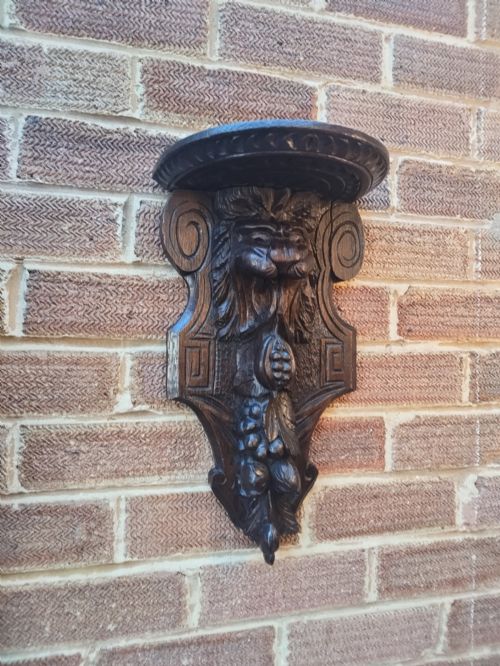
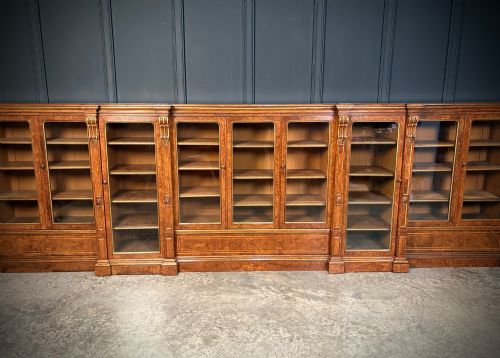
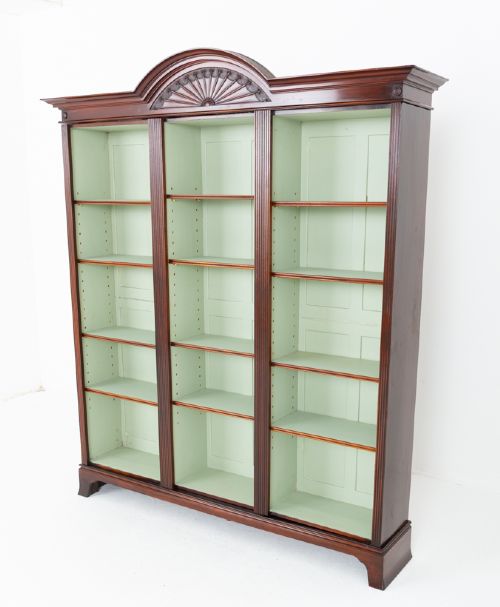
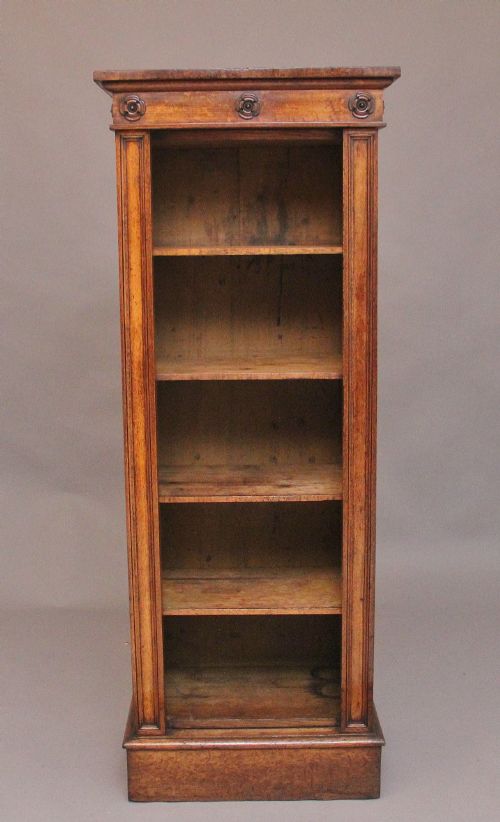
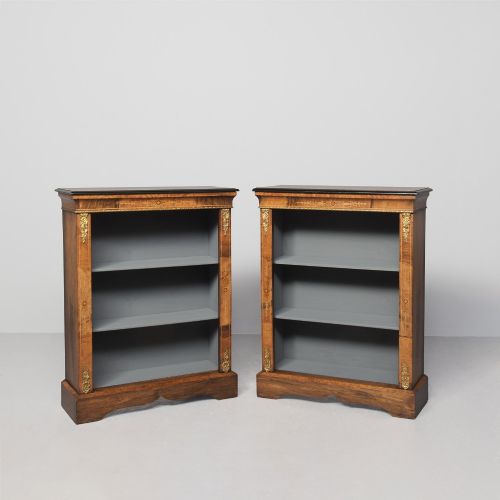
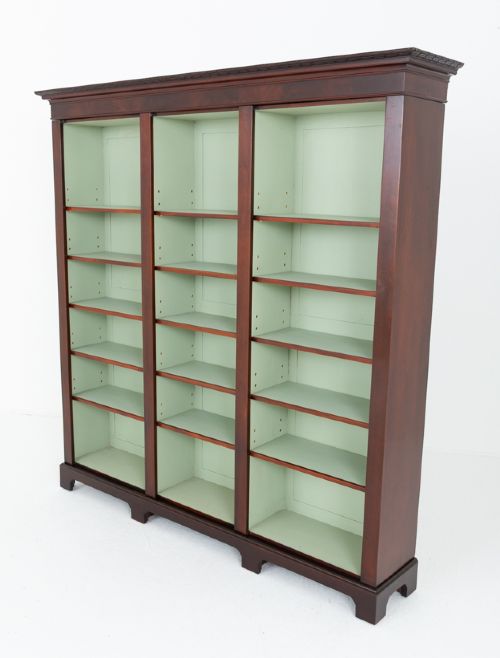
Victorian shelves bring architectural timber and polished display space into a room, offering open bookcases, wall brackets, and whatnots for daily use.
Victorian Shelves
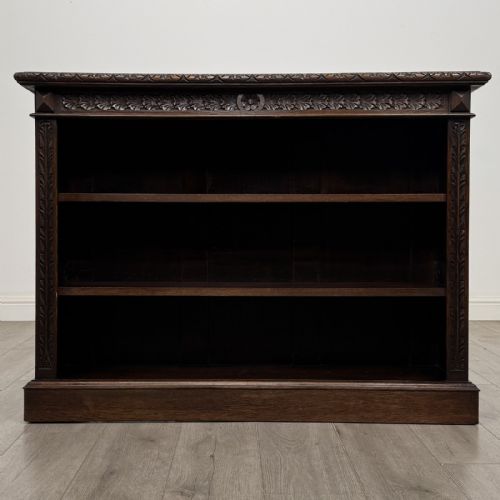
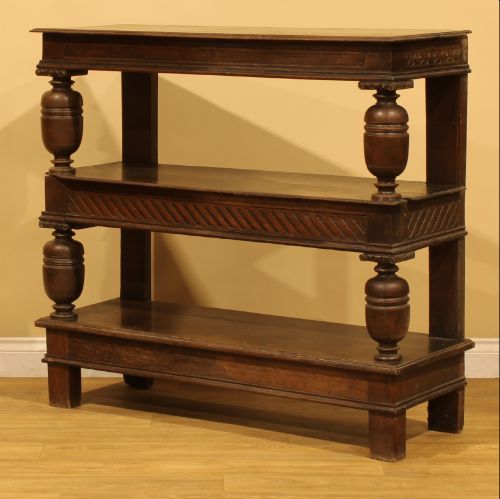
Victorian shelves encompass a diverse range of wall-mounted brackets, hanging shelves, open bookcases, and freestanding whatnots designed for storage and display. When searching for victorian shelves, buyers frequently encounter open mahogany bookcases and walnut whatnots alongside oak wall units.
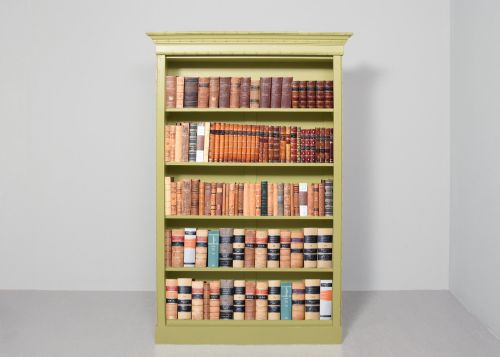
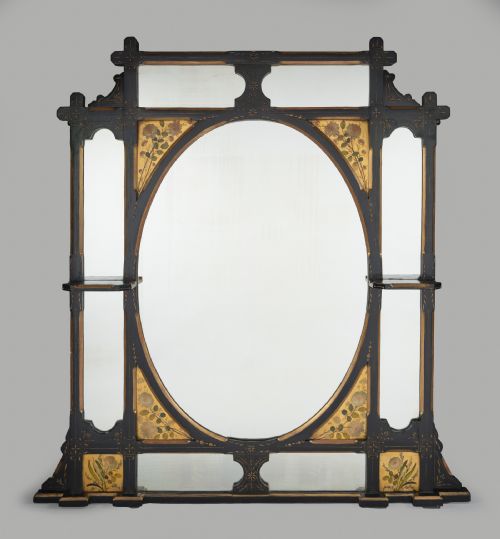
The selection ranges from tall narrow library shelving to compact aesthetic movement hanging shelves and corner units. Pieces span the nineteenth century, including specific decades from the eighteen-fifties through the nineteen-twenties.
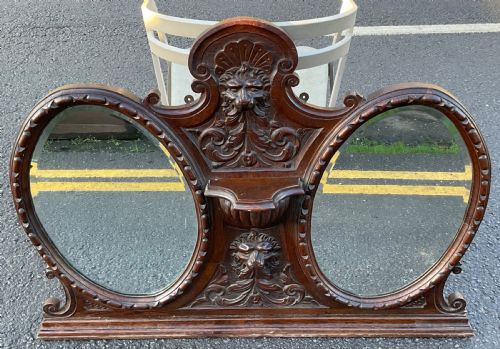
Makers and workshops utilised various forms, from simple pine storage cupboards with shelves to elaborate rosewood pieces featuring brass galleries and marquetry. These items served domestic functions in libraries, parlours, and hallways.
Materials and construction
Cabinetmakers constructed these shelves using solid hardwoods like mahogany, oak, rosewood, and burr walnut, alongside softer timbers such as pine. Brass fixtures, galleries, and hinges appear frequently across the pieces.
Techniques involved detailed wood carving, applied marquetry, and turned elements such as barley twist supports. Joinery varied from robust pegged construction in oak pieces to fine cabinet work in burr walnut and mahogany.
Victorian Shelves Retail Price Guide 2026
Typical asking prices for victorian shelves among the pieces listed under this phrase on Sellingantiques today, from the lower quarter to the upper quarter. They describe what is for sale here now, not the wider market.
Object forms recorded on this page range from open bookcases and library shelving to wall brackets, washstands, and Chinoiserie etageres.
Assessing quality
Quality reveals itself in the selection of timber veneers, such as burr walnut or figured mahogany, and the precision of the cabinet joinery. Superior examples exhibit refined carving details and original brass hardware rather than later replacements.
The presence of adjustable shelving systems and integrated galleries distinguishes higher-grade library bookcases and whatnots. Structural integrity in the uprights and stability in wall-hanging formats indicate superior initial manufacture.
Gillows and Co·John Moyr Smith
The Victorian Shelves Glossary
- Whatnot
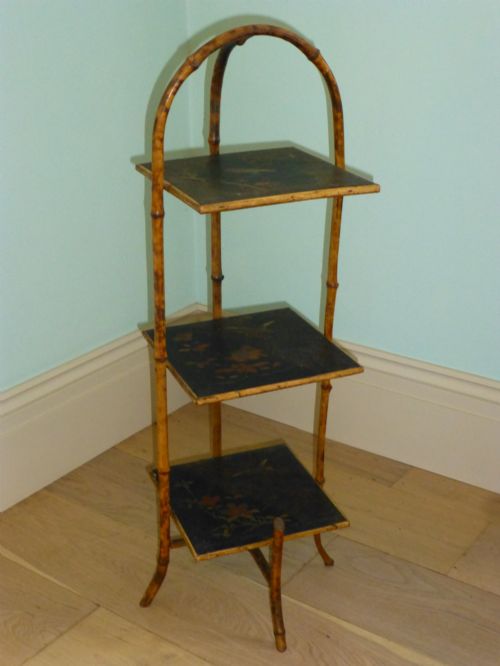
- A freestanding tiered shelving unit designed for displaying ornaments and small objects. These pieces often feature multiple open shelves supported by turned columns.
- Open bookcase
- A bookcase lacking glazed or wooden doors, providing direct access to the books within. Many period examples include adjustable wooden shelves.
- Brass gallery
- A low decorative railing of pierced or solid brass mounted along the top edge of a shelf or surface. This feature prevents items from sliding off.
- Marquetry
- Decorative veneer work formed by fitting together small pieces of wood, shell, or ivory to create pictorial designs. It appears commonly on high-end Victorian cabinet furniture.
- Barley twist
- A carved wooden furniture leg or support resembling a twisted rope. This turned detail is typical of seventeenth-century revival furniture popular in the Victorian era.
Victorian Shelves: Frequently Asked Questions
Where were Victorian shelves placed in a home?
Victorian shelves occupied parlours, libraries, and bedrooms depending on their specific form and function. Bookcases and whatnots stood against walls in public rooms, while smaller hanging shelves utilised vertical wall space in tighter quarters.
Larger storage cupboards with shelving served functional roles in domestic service areas and housekeepers' rooms. Display cabinets and wall brackets highlighted ceramics, books, and decorative ornaments.
How do I identify an aesthetic movement shelf?
Aesthetic movement shelves typically display simpler geometric lines and ebonised or golden oak timbers influenced by Japanese design principles. They often incorporate brass fittings and brackets.
These pieces date from the later nineteenth century and reject heavy historical revivals in favour of understated craftsmanship and artistic arrangement.
What is the difference between a whatnot and a bookcase?
A whatnot is a light, tiered freestanding piece intended for displaying decorative objects rather than storing heavy volumes. Its open shelves are supported by slender columns.
An open bookcase is heavier and built specifically to hold rows of books, frequently incorporating deeper timber boards and adjustable shelf mechanisms.