

Victorian Shelf
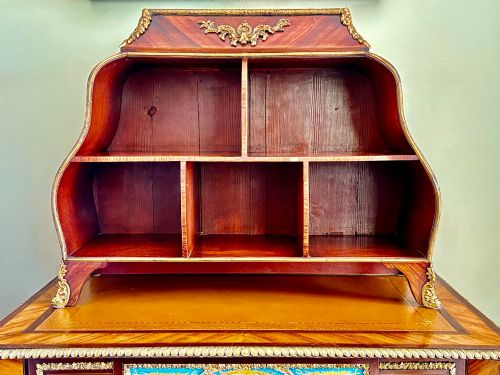
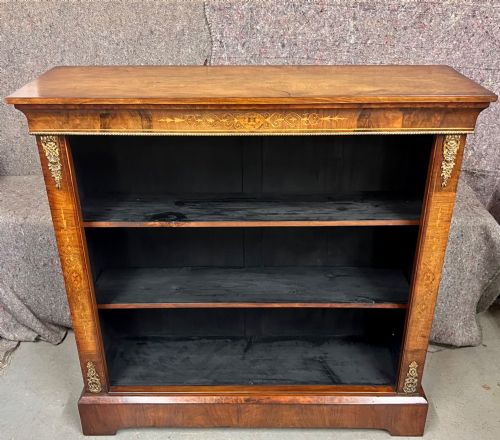
A victorian shelf brings purposeful timber display to a room, offering sturdy ledges for books and ornaments that collectors prize.
Victorian Shelf
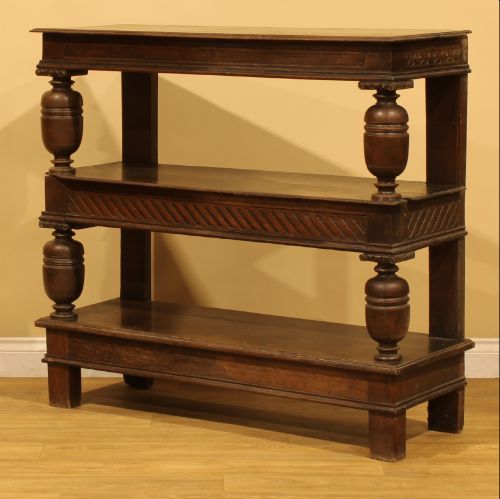
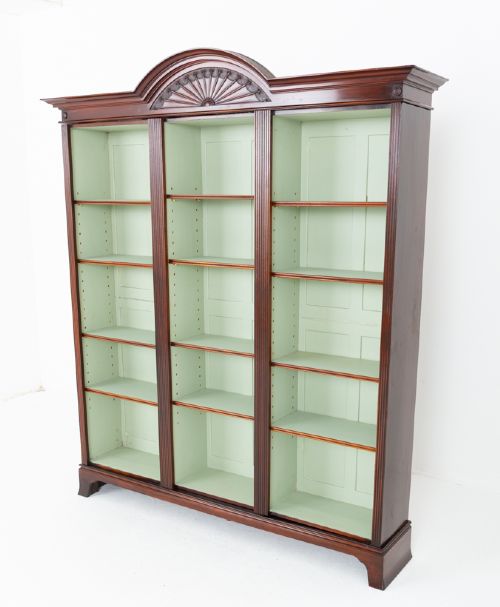
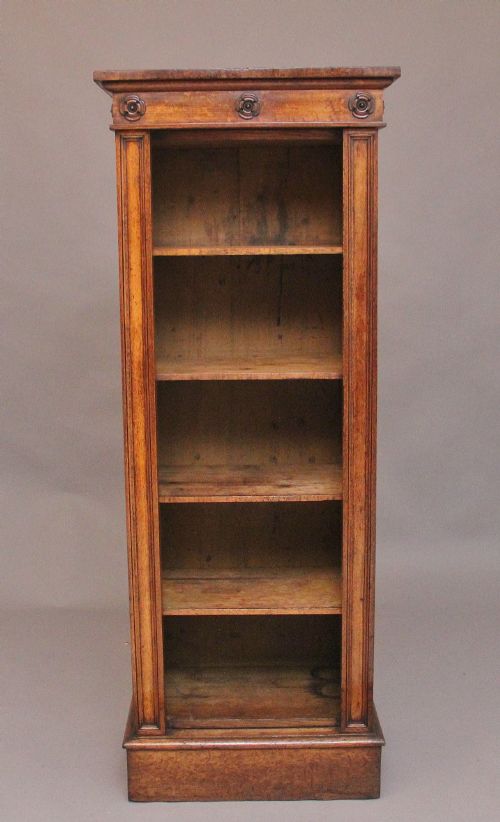
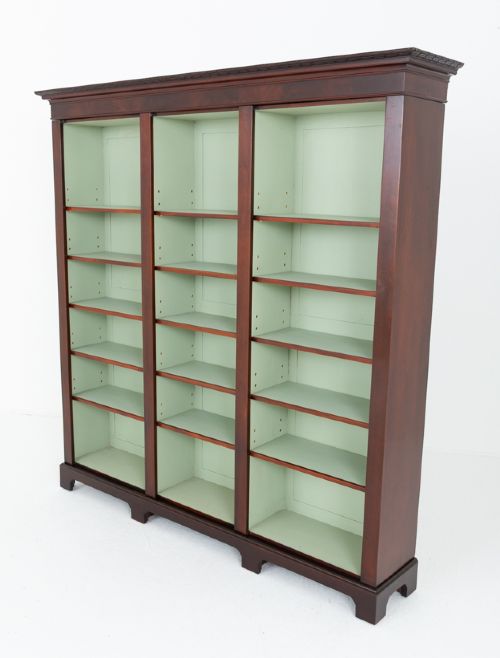
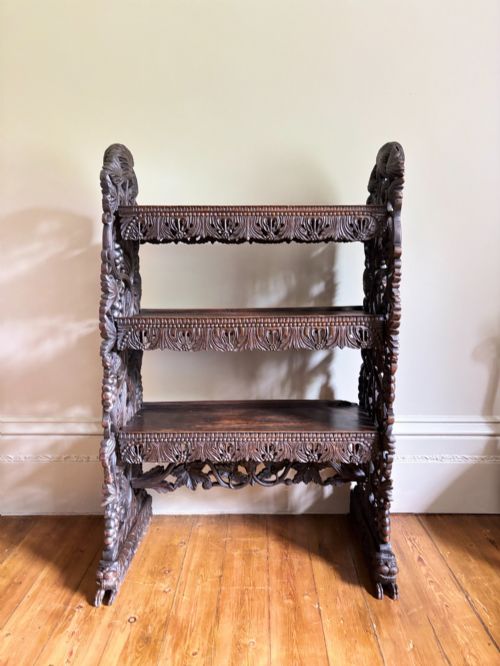
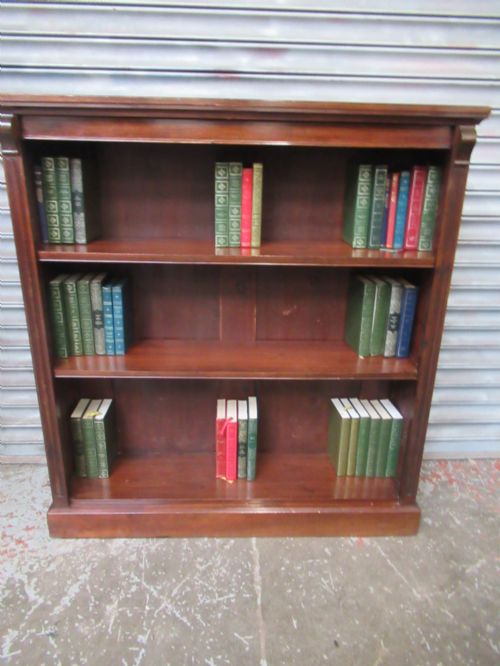
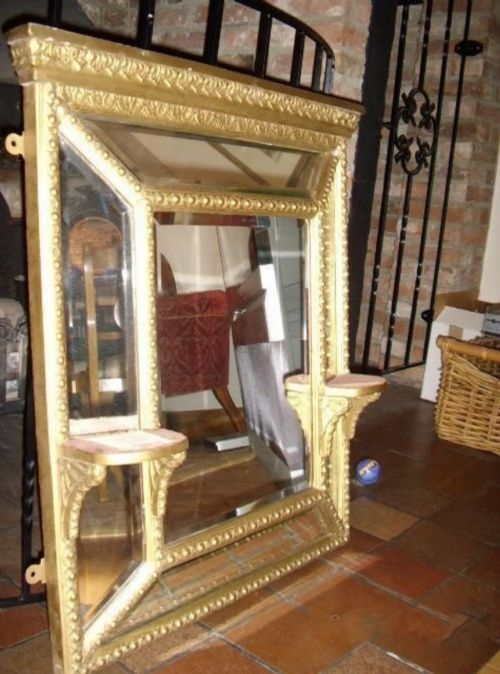
When buyers search for a victorian shelf, they encounter a diverse range of furniture designed to hold books and display objects on walls or floors. These pieces include open bookcases, wall hanging shelves, corner whats-its, and tiered etagere structures spanning the nineteenth century.
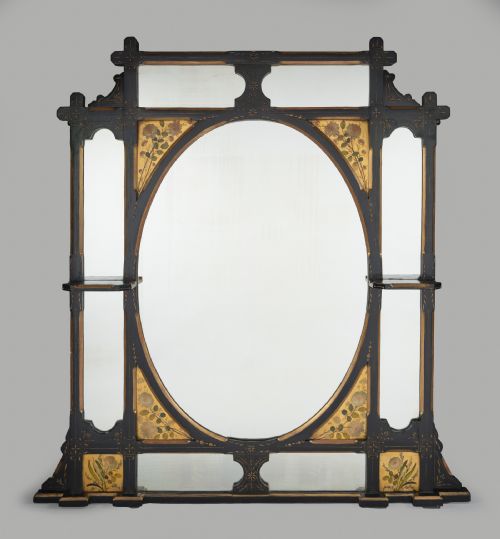
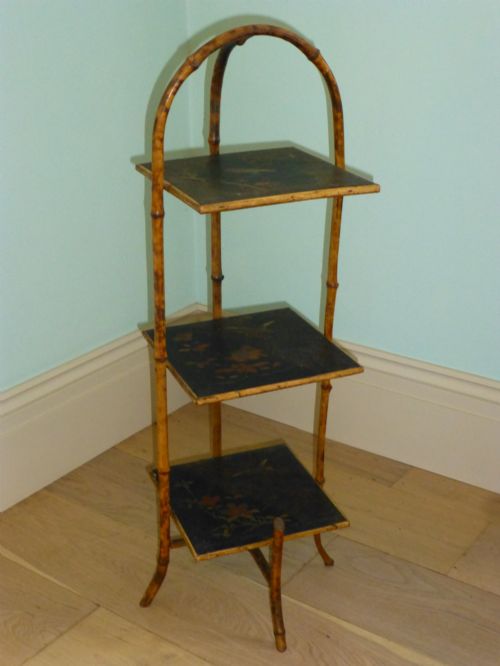
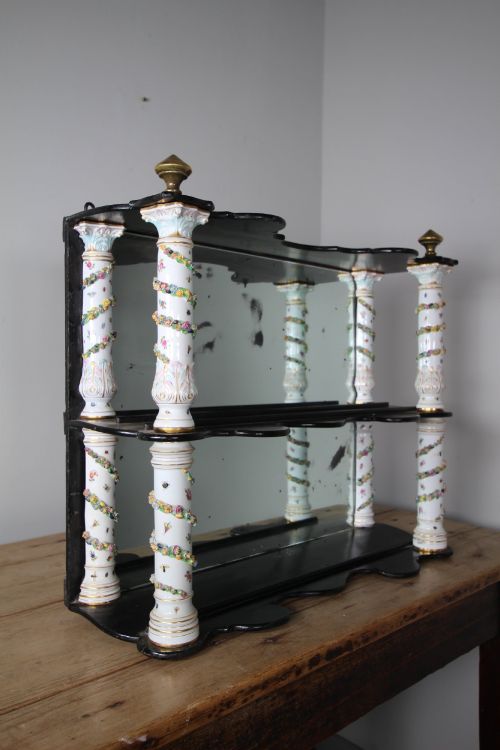
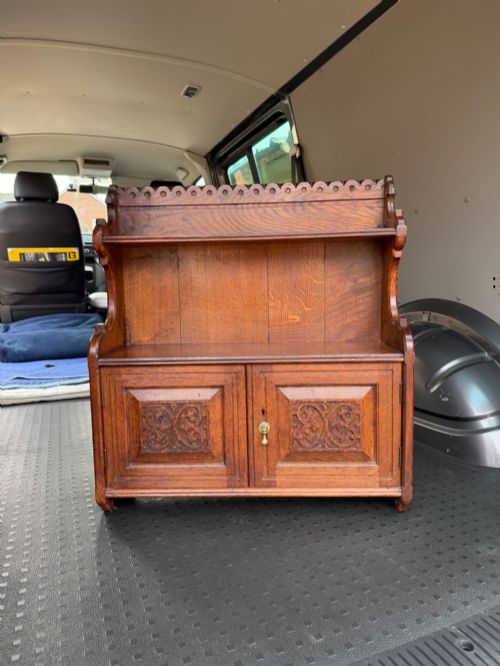
The most common forms on this page are mahogany and burr walnut open bookcases, alongside multi-tiered wall hanging shelves and corner whats-its. Originating primarily from the Victorian period, these items vary from simple pine display racks to elaborate Aesthetic Movement and Chinoiserie designs.
Floor-standing bookcases and corner whats-its provide substantial capacity for libraries and collections, while wall-mounted hanging shelves utilise vertical space in smaller rooms. Each type serves a distinct organizational purpose whilst adding period character to domestic interiors.
How they were made
Cabinet makers constructed these pieces predominantly using solid timbers and veneers such as mahogany, oak, burr walnut, rosewood, and bamboo. Surfaces frequently incorporated decorative brass galleries, inlaid details, and carved woodwork.
Techniques relied on traditional joinery methods suited to each timber style, allowing for adjustable shelving in large libraries and rigid construction in multi-tiered wall units. Bamboo and Chinoiserie variants employed specialised framing to support lighter display surfaces.
Victorian Shelf Retail Price Guide 2026
Typical asking prices for victorian shelf among the pieces listed under this phrase on Sellingantiques today, from the lower quarter to the upper quarter. They describe what is for sale here now, not the wider market.
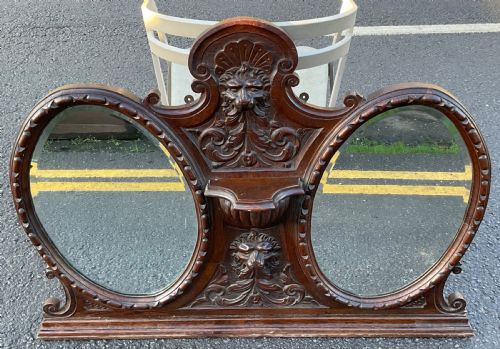
Some wall shelves double as mirrors, letting Victorians check their parting while admiring their porcelain collections.
What varies in quality
The degree of craftsmanship separates standard utility furniture from exhibition pieces, visible in the selection of figured burr walnut veneers and intricate hand-carved elements. Superior examples feature thoughtful proportions, robust structural timber, and refined joinery.
Details such as brass galleries, marble inlays, and specialised aesthetic styling elevate the execution of a piece. Finer items demonstrate meticulous attention to secondary timbers and stable construction that withstands decades of domestic use.
John Moyr Smith
The Victorian Shelf Glossary
- Whatnot
- A multi-tiered piece of furniture with open shelves designed for displaying ornaments and small objects.
- Gallery
- A raised ornamental border along the edge of a shelf or table top, often made of brass or pierced wood to prevent items from sliding off.
- Aesthetic Movement
- A late nineteenth-century design style emphasising decorative arts for their own sake, often featuring ebonised surfaces or Japanese motifs.
- Etagere
- A piece of furniture consisting of a set of open shelves for displaying small articles.
- Chinoiserie
- European decorative art imitating Chinese artistic styles, characterised by ornate motifs and lacquered finishes.
Victorian Shelf: Frequently Asked Questions
What is a victorian shelf?
A victorian shelf refers to various open bookcases, wall racks, and tiered whats-its produced during the nineteenth century. These items provide practical surface area for books and decorative objects.
They combine functional storage with period ornamentation, utilising timbers like mahogany, walnut, and oak.
How were hanging shelves used?
Hanging shelves were mounted directly to walls to display small ornaments, plates, and frequently used books without occupying floor space. They brought organisation to parlours and studies.
Their open construction kept cherished items visible and accessible within daily domestic life.
How do I identify a period piece?
Period identification relies on examining timber species, construction methods, and stylistic indicators such as brass galleries or carved details. Nineteenth-century examples display characteristic joinery and patination.
Matching the design traits to documented eras helps establish the age of the woodwork.
How do I live with these pieces?
Living with these shelves involves placing them in stable environmental conditions away from direct heat sources and excessive moisture. Regular dusting maintains the timber surface.
Balancing weight evenly across shelves prevents long-term sagging in older wood.