


Victorian Scroll Chairs
Victorian scroll chairs bring substantial mahogany frames and curved arms into a room, offering both sturdy seating and period character.
Victorian Scroll Chairs
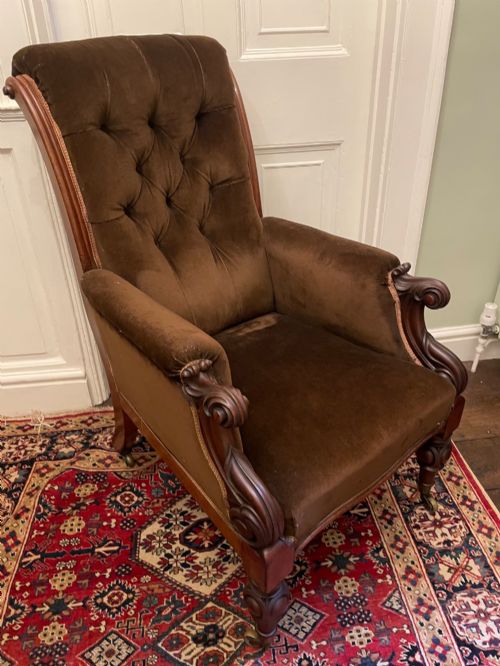
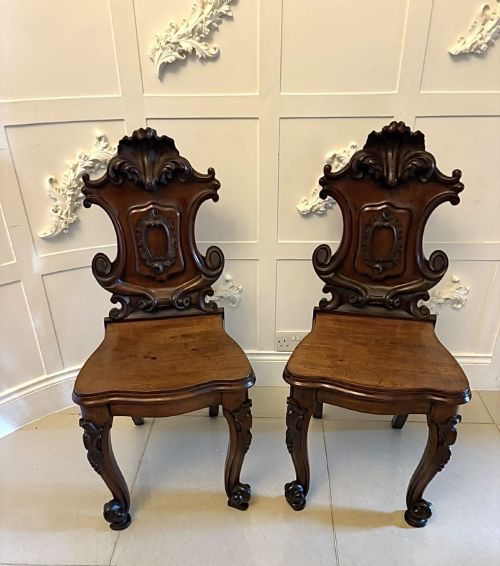
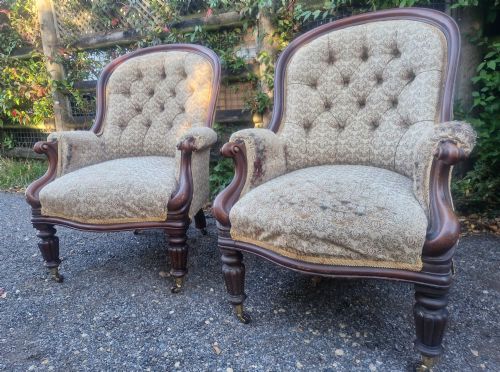
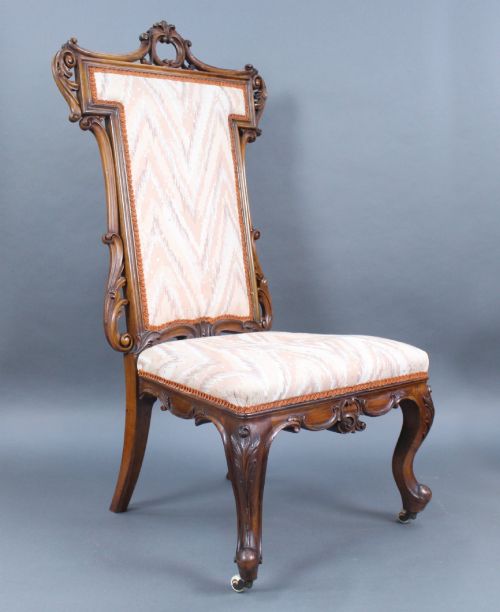
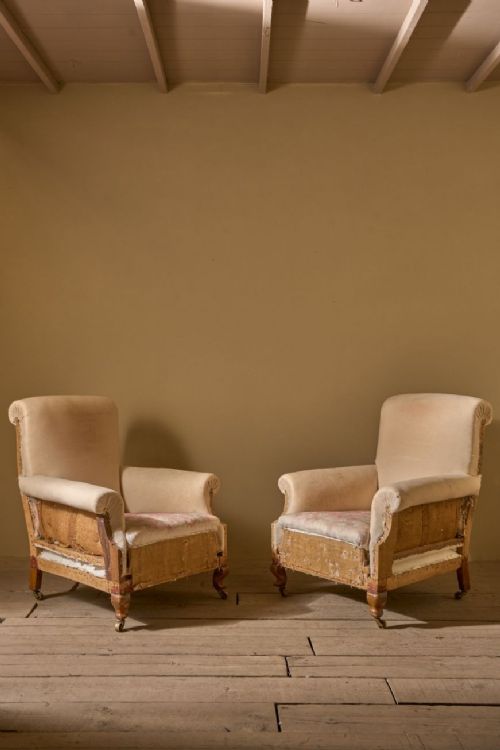
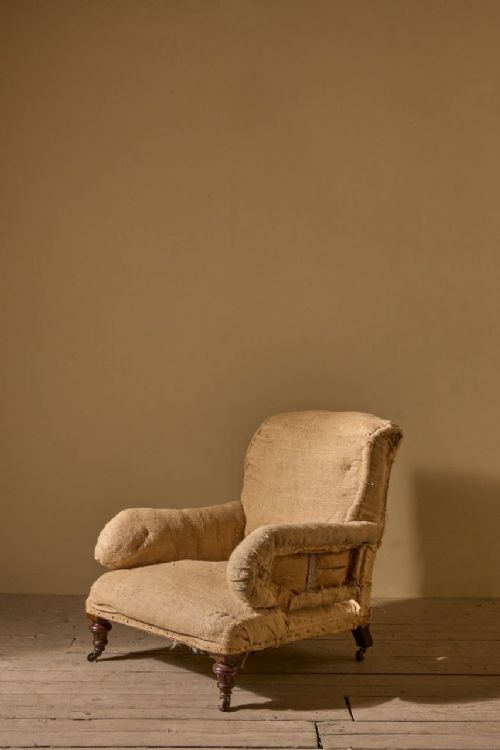
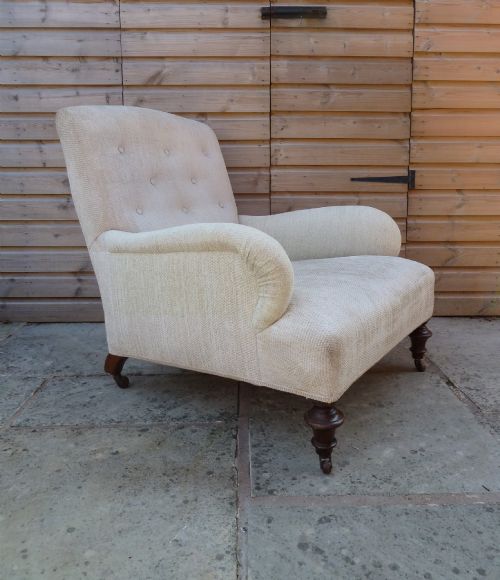
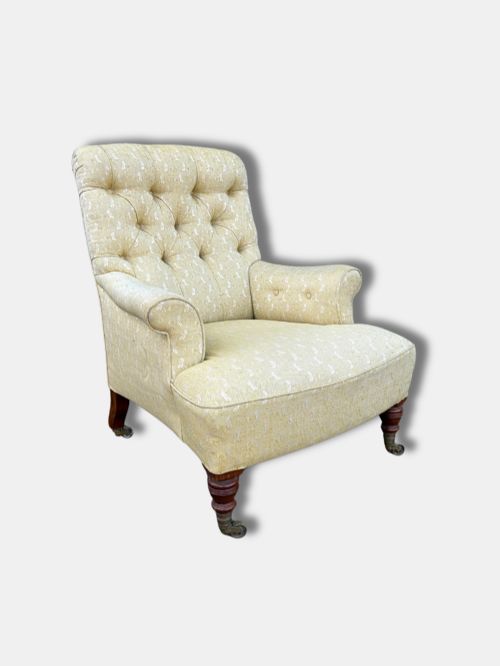
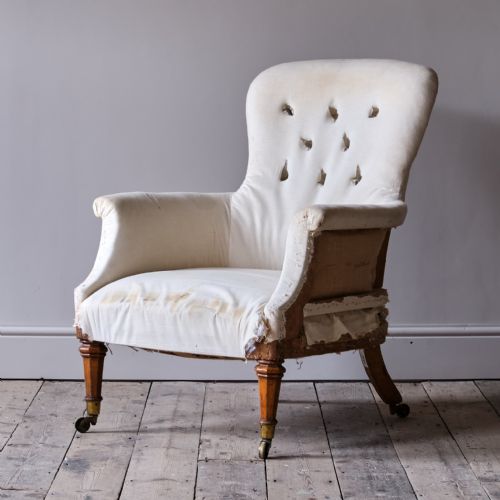
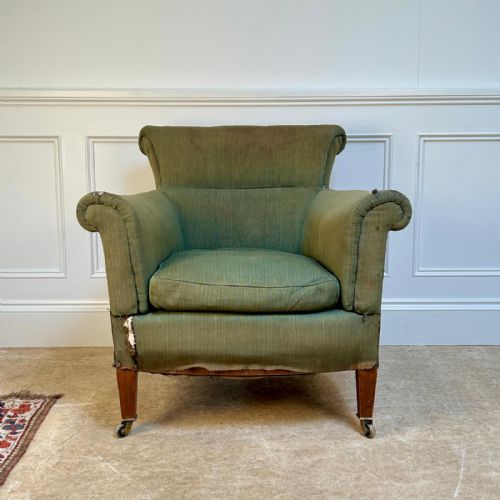
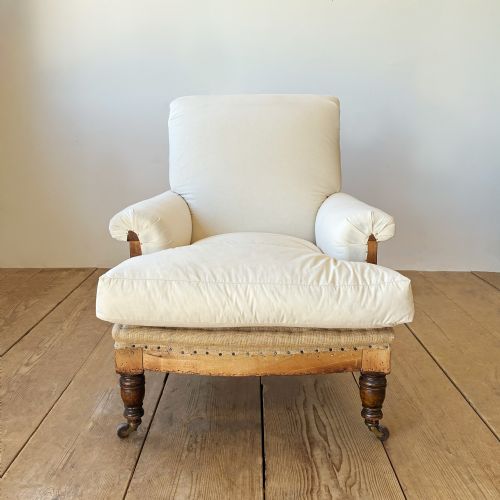
Victorian scroll chairs span a variety of forms including library armchairs, gentleman's armchairs, hall chairs, and occasional seating. These pieces often feature prominent scroll arms paired with mahogany or walnut frames.
The selection here encompasses pieces from the nineteenth century alongside related styles such as William IV, Regency, and English country house designs. Buyers frequently encounter button upholstery, velvet, and fabric finishes across the different chair types.
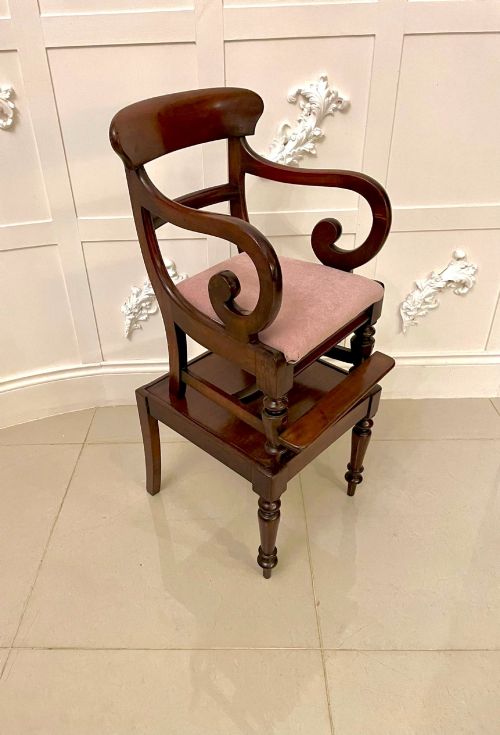
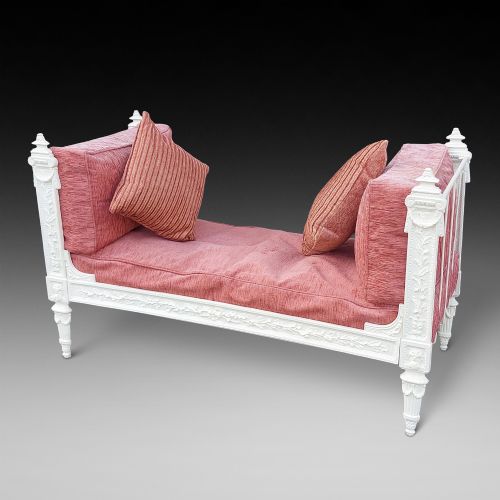
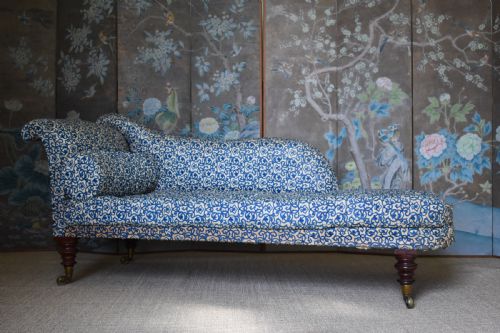
Beyond standard armchairs, the inventory includes daybeds, chaise longues, and child's armchairs. Each variant reflects the domestic seating arrangements of the nineteenth century.
Materials and Construction
Carved hardwoods such as mahogany and walnut form the structural skeleton of these chairs, providing durability and deep colour. Brass components occasionally appear in castors or decorative mountings.
Upholstery relies on traditional fabrics including velvet, calico, and damask, often stretched over buttoned padding. Frames are constructed using period joinery techniques suited to heavy domestic use.
Victorian Scroll Chairs Retail Price Guide 2026
Typical asking prices for victorian scroll chairs among the pieces listed under this phrase on Sellingantiques today, from the lower quarter to the upper quarter. They describe what is for sale here now, not the wider market.
Some nineteenth-century sitters clearly demanded absolute luxury, resulting in library armchairs padded so deeply the wood is barely visible.
Quality and Craftsmanship
The precision of the wood carving on the arms and frames distinguishes standard seating from finer workshop productions. Crisp detailing in the scrollwork indicates higher skill during manufacture.
The integrity of the original timber and the survival of period upholstery fabrics influence the standing of each piece. Maker attribution, particularly to known nineteenth-century firms, elevates the distinction of an armchair.
Howard and Sons·Holland and Sons·Trollope and Sons
The Victorian Scroll Chairs Glossary
- Scroll arm
- An armrest curved outward or inward in a tight spiral shape. This defining feature provides both hand support and distinct nineteenth-century silhouette character.
- Library armchair
- A deeply upholstered seat designed for prolonged reading and comfort in domestic studies. These chairs typically feature substantial padding and enclosed armrests.
- Hall chair
- A rigid wooden seat placed in entrance halls rather than living spaces. They often showcase carved timber backs without upholstered cushions.
- Chaise longue
- An elongated upholstered chair designed for reclining. These pieces combine seating with a built-in footrest portion.
- Button upholstery
- A technique where depressions are secured with buttons pulled deep into the padding. This method creates a patterned, tufted surface across the backrest.
Victorian Scroll Chairs: Frequently Asked Questions
What defines a Victorian scroll chair?
These pieces feature wooden frames, frequently in mahogany or walnut, distinguished by curved armrests shaped into spirals.
They appear across various forms including library armchairs, fireside seating, and occasional chairs from the nineteenth century.
Where were these chairs used?
Library armchairs and gentleman's chairs belonged in studies and drawing rooms for reading and relaxation.
Stiffer hall chairs stood in entranceways, while chaise longues furnished bedrooms and larger reception rooms.
How do I care for the upholstery?
Protect antique fabrics such as velvet, damask, and calico by avoiding direct sunlight and using gentle brush attachments for dust removal.
Consult professional conservators for deeper cleaning to preserve the original stuffing and button tufting.
How can I tell the period?
Examine the timber species, joinery methods, and upholstery style to align pieces with nineteenth-century manufacturing standards.
Stylistic crossovers with Regency, William IV, and Edwardian designs offer further clues regarding date of origin.