

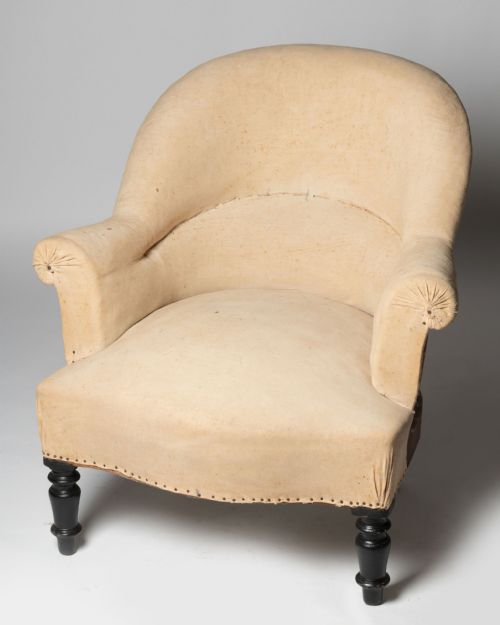
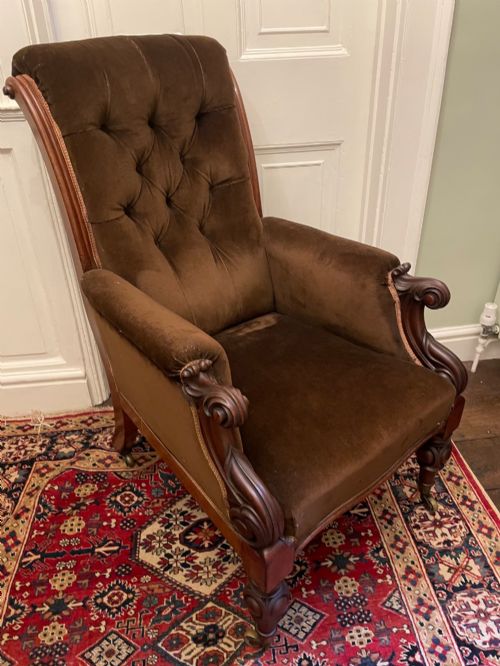
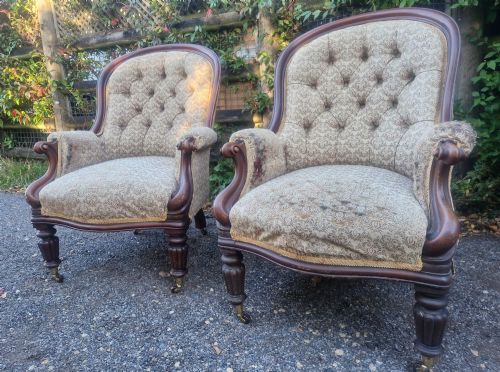
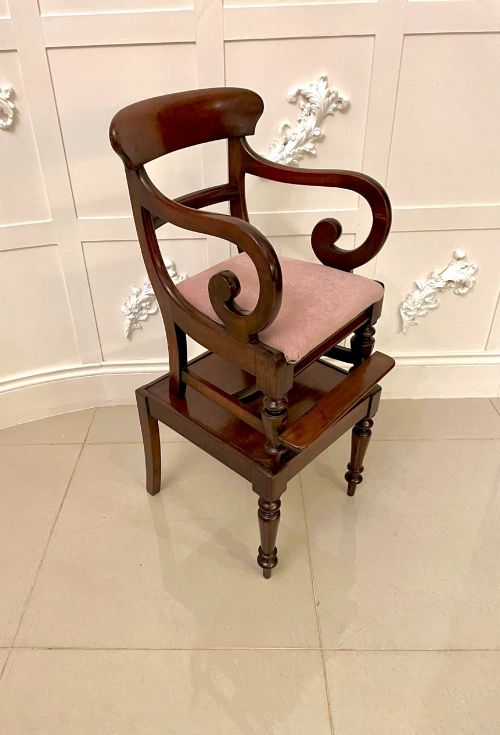
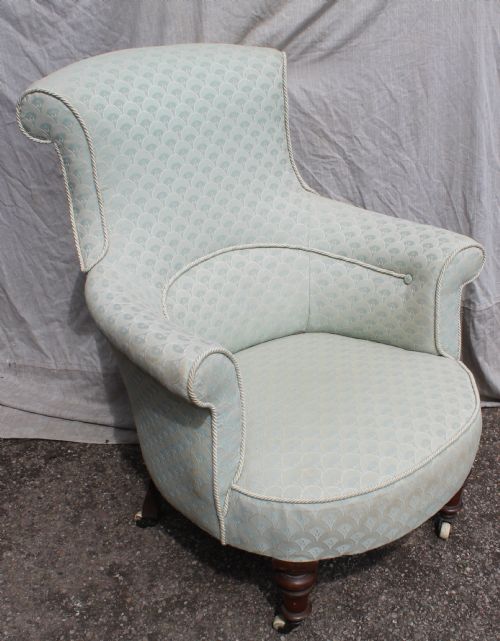


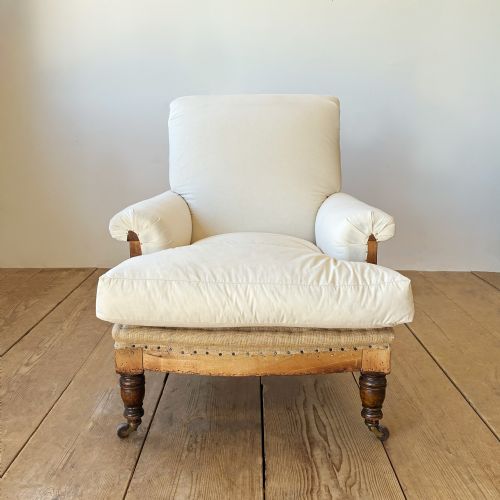
Victorian Scroll Armchair
A victorian scroll armchair brings deep comfort and formal presence to a room, grounded by sweeping arms and traditional upholstery.
Victorian Scroll Armchair
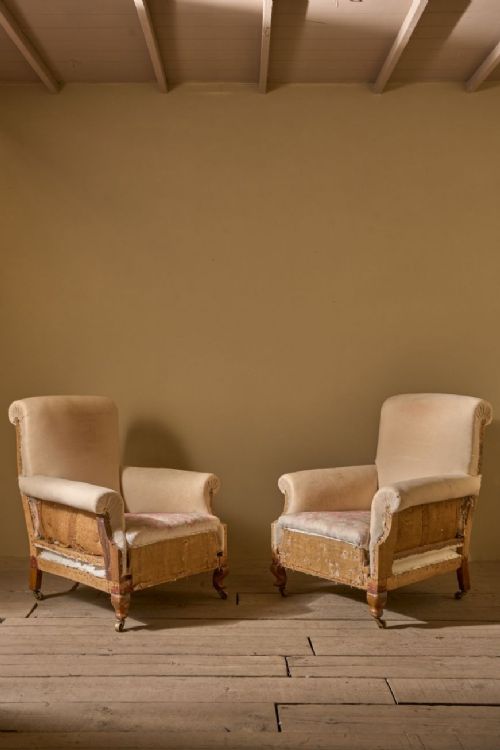
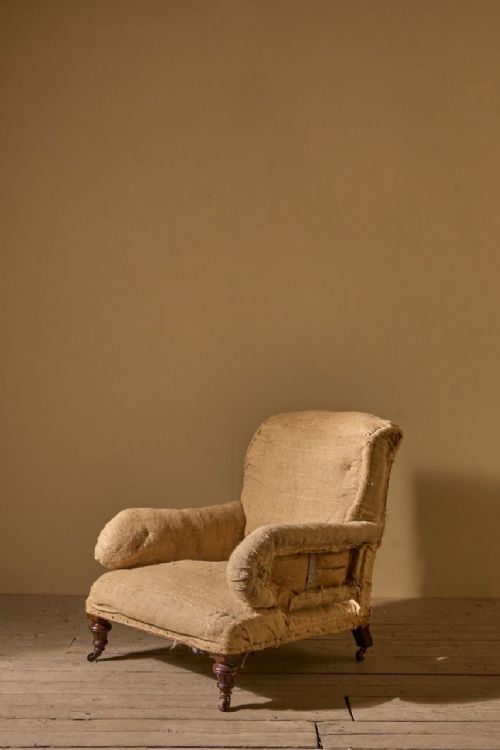
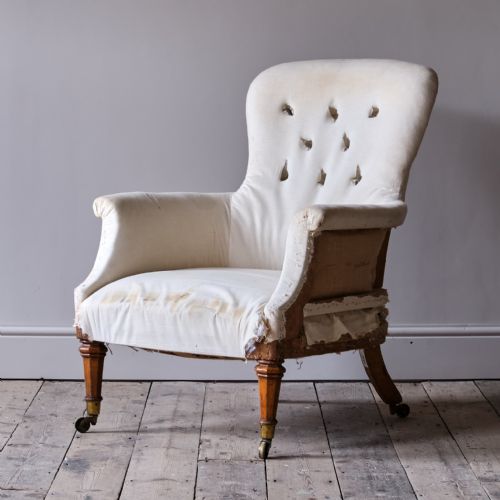
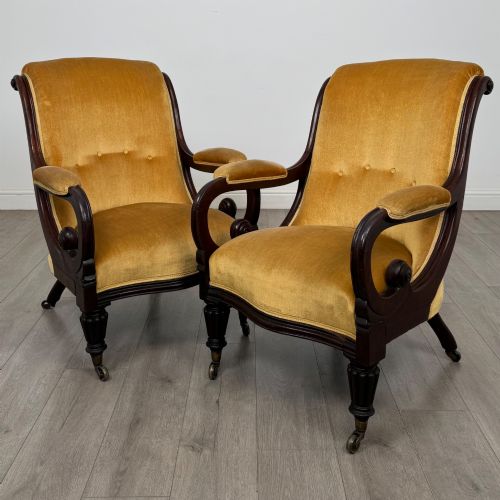
When you search for a victorian scroll armchair, you encounter seating designed for parlours, libraries, and country houses during the nineteenth century. These chairs combine generous proportions with distinctive curved arm supports that define the silhouette.
The selections here span early Victorian, William IV, and Regency periods alongside later revival forms. Mahogany frames with upholstered seats and backs dominate the offerings, occasionally appearing in walnut, rosewood, or oak.
Beyond standard fireside and library chairs, you find occasional chairs, carver chairs, and deep-seated club styles. Many pieces show regional English country house influences or maker attributions from notable firms.
Assessing quality and proportion
Quality rests in the harmony of the timber frame and the integrity of the joinery beneath the upholstery. Finer examples retain crisp hand-carved scrollwork on the arms and substantial timber scantlings that prevent frame movement.
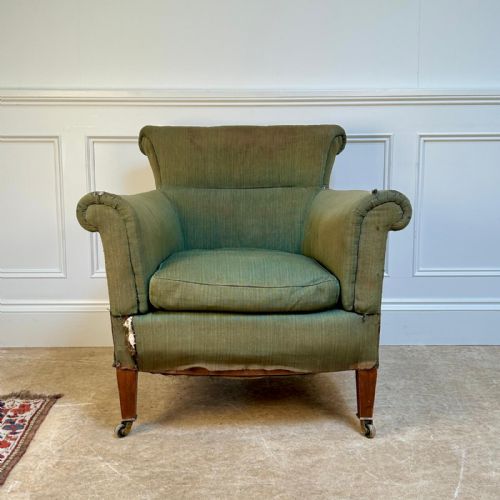
The spring and stuffing depth dictates the comfort and longevity of the piece. Superior specimens maintain their intended profile without sagging, supported by traditional webbing and horsehair stuffing rather than modern foam substitutes.
Victorian Scroll Armchair Retail Price Guide 2026
Typical asking prices for victorian scroll armchair among the pieces listed under this phrase on Sellingantiques today, from the lower quarter to the upper quarter. They describe what is for sale here now, not the wider market.
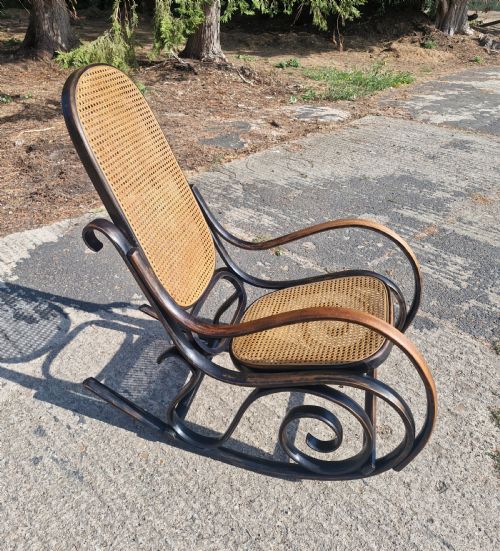
Listings feature mahogany, rosewood, oak, and bentwood alongside fabrics ranging from leather and velvet to printed cotton and tapestry.
Howard and Sons·Trollope and Sons·John Taylor and Sons·Hampton and Sons
The Victorian Scroll Armchair Glossary
- Scroll arm
- An armrest carved or shaped into a sweeping outward or inward spiral curve. This shape defines the classic Victorian silhouette.
- Carver chair
- An armchair designed with open arms, traditionally placed at the head of a dining table or used as a desk chair. These pieces often feature exposed wood frames.
- Calico
- A plain-woven unbleached cotton fabric used as the inner lining beneath the final decorative upholstery. It holds the internal stuffing in place.
- Button back
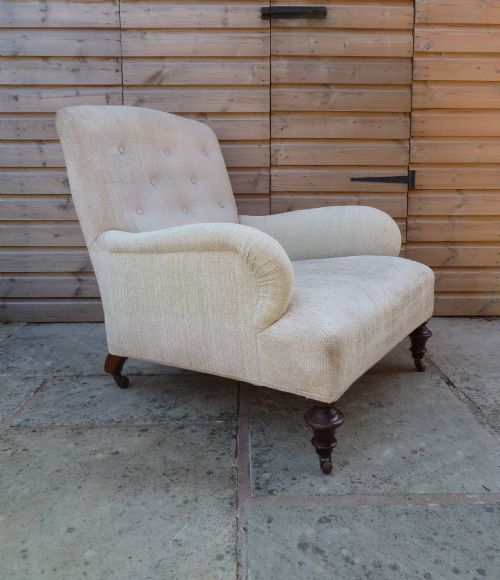
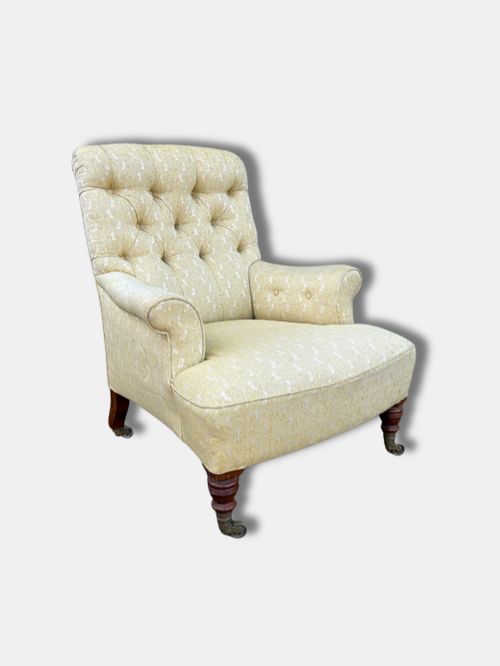
- An upholstery technique where buttons are pulled deep into the stuffing to form a diamond pattern. This method adds structural tension and visual texture.
Victorian Scroll Armchair: Frequently Asked Questions
How do I identify a Victorian scroll armchair?
Look for characteristic sweeping wooden or upholstered armrests that curve outward at the terminal. The frame timbers typically include mahogany or walnut, paired with traditional sprung upholstery.
Proportions tend to be deep and low, reflecting nineteenth-century standards of domestic comfort. Check for period turnings on the legs and traditional joinery beneath the base.
Where were these armchairs placed originally?
These chairs served primarily in formal drawing rooms, libraries, and gentlemen's smoking rooms of substantial houses. Deep-seated versions offered comfort for reading and fireside relaxation.
Smaller occasional and bedroom variants appeared in private chambers for dressing and quiet sitting. Library editions often featured sturdy casters for mobility across heavy carpets.
How do I care for the wood and fabric?
Maintain the timber frame by dusting with a dry cloth and applying natural beeswax sparingly to nourish the polished surface. Keep the furniture away from direct sunlight and heat sources to prevent timber splitting.
Vacuum upholstered surfaces gently using a soft brush attachment to remove dust. Professional cleaning is recommended for antique fabrics to preserve delicate textiles and internal stuffing.
Can I use an antique armchair daily?
Most nineteenth-century armchairs were constructed for heavy domestic use using durable hardwoods and traditional joinery. They tolerate normal daily sitting provided the internal webbing and springs remain sound.
If the upholstery feels slack or the frame wobbles, a traditional upholsterer can restore the internal support without altering the exterior appearance.