



Victorian School Furniture
Victorian school furniture brings utilitarian pine and robust cast iron straight into the home, offering durable storage and seating built for heavy daily use.
Victorian School Furniture
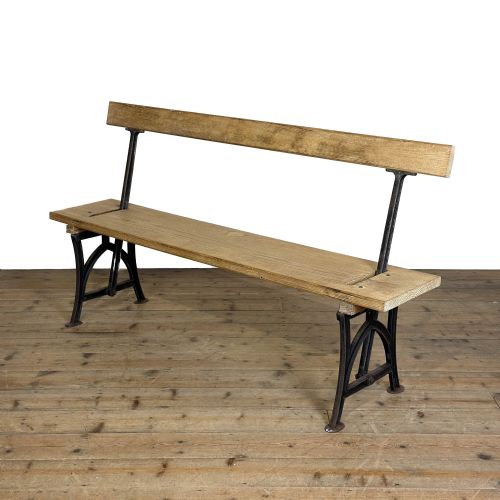
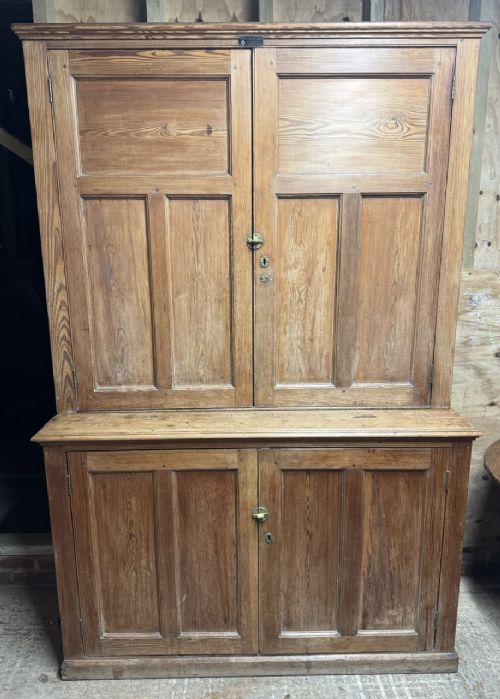
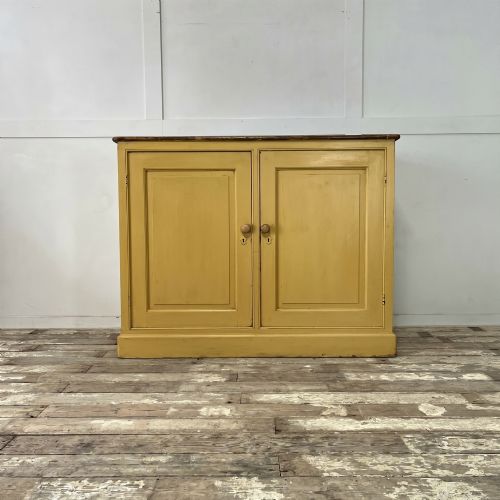
The selection ranges from large painted pine cupboards and long benches to specialised cabinets bearing authentic institution sign-writing. These survivors of nineteenth-century classrooms provide functional storage and seating with a distinct historical provenance.
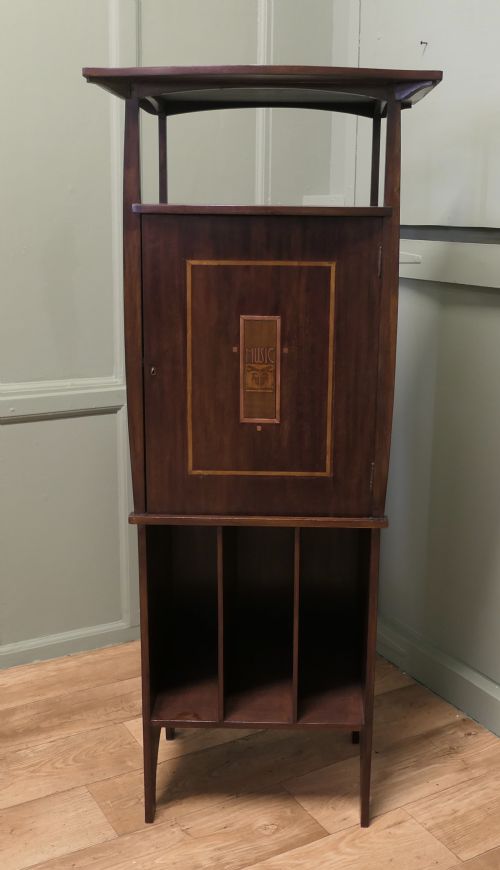
Alongside institutional pieces, the listings include related educational and domestic forms such as music cabinets and card tables associated with nineteenth-century design movements. Pine and pitch pine dominate the offerings, often combined with iron hardware designed to withstand constant handling.
How they were made
Workshops constructed these items primarily from solid pine and pitch pine, selecting softwoods capable of enduring decades of heavy institutional use. Carpenters frequently incorporated cast iron brackets and fittings to reinforce structural joints against daily wear.
Surfaces often received protective coats of paint or simple hand-lettered sign-writing to identify specific foundations like Liverpool's Bluecoat School. Joinery focuses on straightforward utility, utilising sturdy boards and straightforward framing rather than delicate decorative veneers.
Victorian School Furniture Retail Price Guide 2026
Typical asking prices for victorian school furniture among the pieces listed under this phrase on Sellingantiques today, from the lower quarter to the upper quarter. They describe what is for sale here now, not the wider market.
What varies in quality
Quality in these institutional pieces depends upon the original grade of timber and the preservation of authentic surface treatments. Simple utilitarian pine benches show differences in the weight of the wood and the integrity of their structural joinery.
Pieces retaining original hand sign-writing or institutional paint layers carry greater historical character than those stripped down to bare wood. The integration of robust cast iron elements also distinguishes standard classroom utility from finer workshop production.
GM Elwood for JS Henry·Pairs MFG Co
The Victorian School Furniture Glossary
- Flip-over bench
- A dual-purpose seating form featuring a movable backrest that shifts position to alter the direction of the seat. This clever mechanism allowed benches to serve multiple functions in nineteenth-century interiors.
- Pitch pine
- A dense, resinous softwood utilised extensively in nineteenth-century utilitarian furniture. Its durability made it a favored material for heavy-duty school benches and cabinetry.
- Sign-writing
- Hand-painted lettering applied directly to furniture surfaces to denote ownership or institutional provenance. Surviving examples name specific foundations and schools.
- Aesthetic movement
- A late nineteenth-century design style emphasising visual beauty over narrative subject matter. Pieces from this movement often display refined craftsmanship and thoughtful ornamentation.
Victorian School Furniture: Frequently Asked Questions
What defines Victorian school furniture?
These pieces comprise utilitarian cupboards, benches, and desks produced in pine and pitch pine for nineteenth-century educational settings.
They reflect an emphasis on robust construction and straightforward functionality over decorative refinement.
How were these items used originally?
Institutions utilised these heavy wooden items for daily classroom seating, storing supplies, and instructing children.
Flip-over benches and cupboards were designed specifically to handle the rigorous demands of large Victorian school populations.
How do I live with these pieces?
Their durable pine construction and straightforward forms allow them to integrate easily into modern hallways, kitchens, and living spaces.
Large cupboards and benches provide practical storage while adding genuine nineteenth-century character to an interior.