




Victorian Ring Holder
A Victorian ring holder gathers small treasures safely upon a dressing table, bringing practical grace from the nineteenth century into daily life.
Victorian Ring Holder
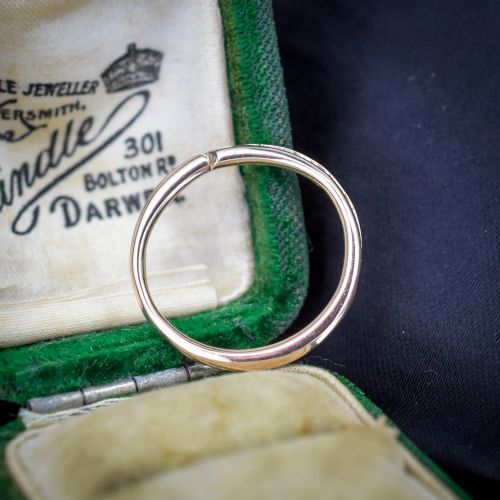
A Victorian ring holder sits on the dressing table to keep precious bands and jewellery secure when removed. These small domestic objects appear alongside related items like trinket boxes and chamber sticks from the nineteenth century.
Most examples found here date from the late Victorian period, often spanning the final decades of the eighteen hundreds into the Edwardian era. Makers shaped these pieces from durable metals and fitted them with soft linings to protect delicate bands.
Buyers seeking a Victorian ring holder will find that surviving pieces frequently overlap with trinket boxes and small containers designed for the same bedside or vanity use. Each object reflects the domestic habits and metalworking standards of its decade.
Materials and Technique
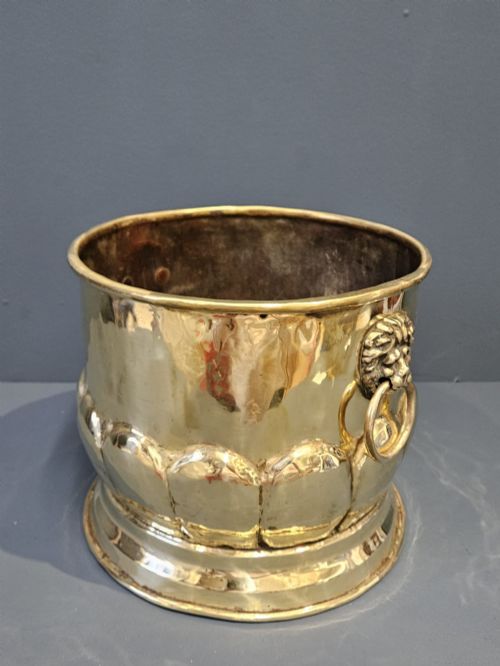
Silversmiths shaped sterling silver and silver plate into sturdy vessels, often employing stamping, casting, and hand engraving. Workshops also utilised brass and cast iron for heavier domestic furnishings, applying patination to enhance surface detail.
Interior elements relied on tactile textiles such as velvet, silk, and leatherette to cushion jewellery securely. Treen and turned hardwoods provided an alternative organic medium, shaped on a lathe and finished with metal mounts.
Victorian Ring Holder Retail Price Guide 2026
Typical asking prices for victorian ring holder among the pieces listed under this phrase on Sellingantiques today, from the lower quarter to the upper quarter. They describe what is for sale here now, not the wider market.
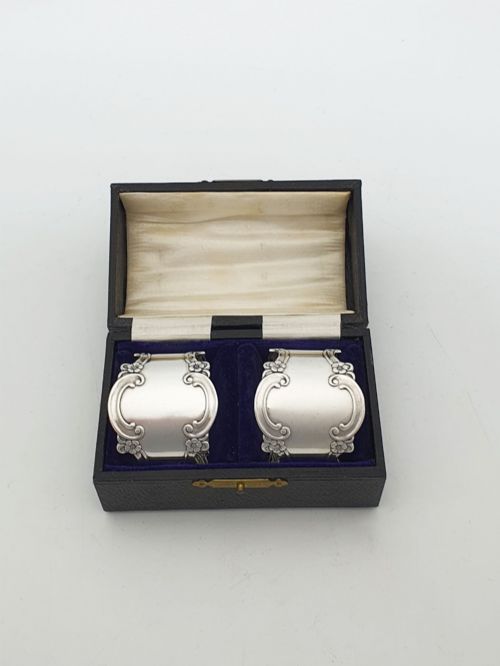
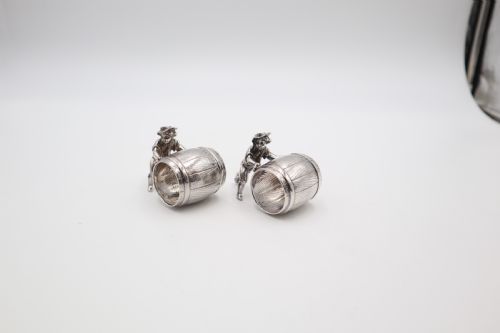
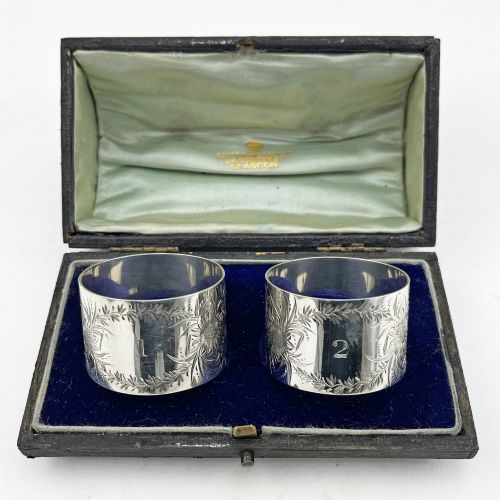
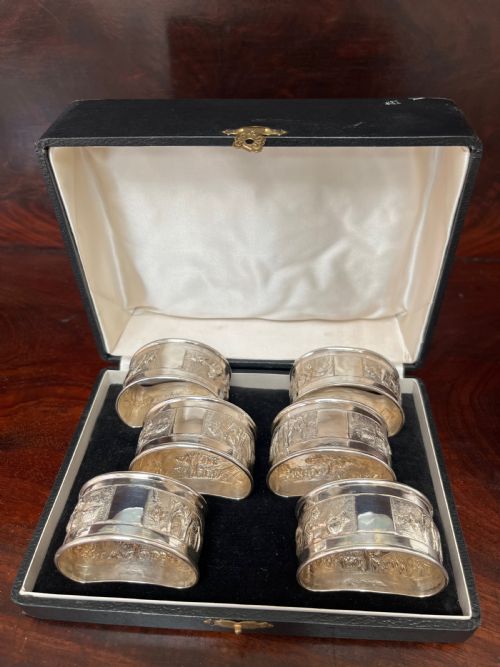
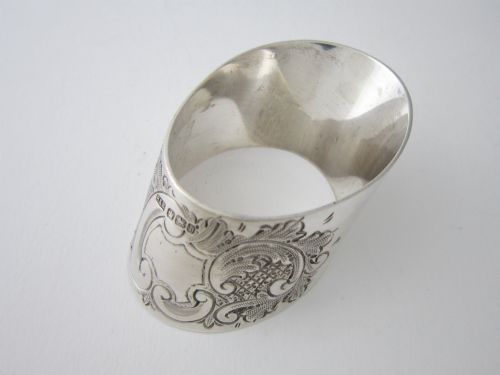
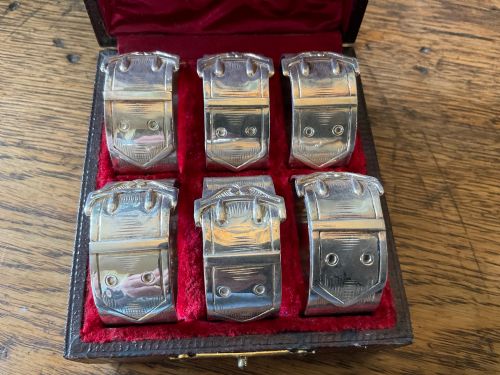
Several Victorian napkin rings were cleverly modelled as miniature belt buckles.
Judging Quality
Quality rests upon the crispness of metalwork, the integrity of hinges or fitted interiors, and the clarity of hallmarks. Pieces bearing distinct assay office marks and maker stamps demonstrate superior craftsmanship compared to unmarked examples.
The survival of original textile linings, such as velvet or silk inserts, elevates an object's integrity. Solid construction in sterling silver or well-executed cast brass distinguishes finer vanity items from simpler utilitarian pieces.
The Victorian Ring Holder Glossary
- Sterling silver
- A silver alloy containing 92.5 percent pure silver and 7.5 percent other metals, usually copper, ensuring durability for domestic items.
- Hallmark
- An official stamp applied to precious metals indicating the standard of purity, the assay office, and the year of manufacture.
- Treen
- Small handmade wooden household objects, often turned on a lathe from woods like walnut or mahogany.
- Silver plate
- A thin layer of silver fused to a base metal core, common in nineteenth-century tableware and vanity accessories.
- Leatherette
- An imitation leather material made from a cloth backing coated with a plastic or treated resin layer.
Victorian Ring Holder: Frequently Asked Questions
What is a Victorian ring holder?
A Victorian ring holder is a small vanity accessory designed to hold rings securely on a dressing table. These items reflect the domestic habits of the nineteenth century.
Craftsmen produced them in materials ranging from sterling silver to treen and brass. They often matched other bedroom wares of the period.
How do I date a ring box?
Dating relies on examining hallmarks stamped into the metal, which reveal the assay office and year of manufacture. Stylistic clues also help establish the decade.
Design motifs shifted across the nineteenth century from heavier Gothic influences to lighter Edwardian aesthetics. Maker marks further narrow down the production timeline.
Where were these pieces used?
These items belonged primarily in the bedroom or dressing room to hold jewellery overnight. They kept small valuables safe and organised.
Wealthy households placed silver and velvet-lined holders on mahogany dressing tables. Simpler wooden or plated versions appeared in more modest homes.
How do I care for silver?
Sterling silver requires gentle cleaning with a soft cloth to remove tarnish without scratching the metal surface. Avoid harsh chemical dips that strip away historical patination.
Store silver pieces away from damp environments and direct sunlight to preserve both the metal and any original fabric linings.