




Victorian Pub Seating
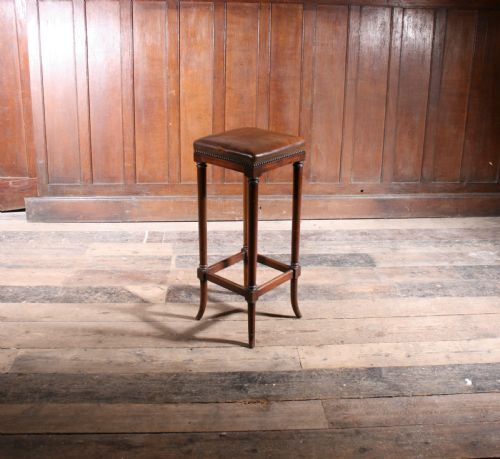
Victorian pub seating encompasses sturdy benches, tall bar stools and smokers bow armchairs built from heavy timbers to withstand generations of daily tavern life.
Victorian Pub Seating
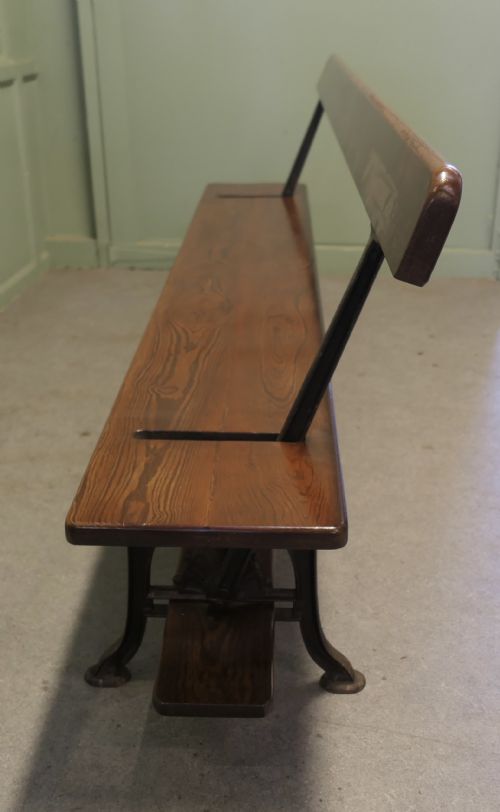
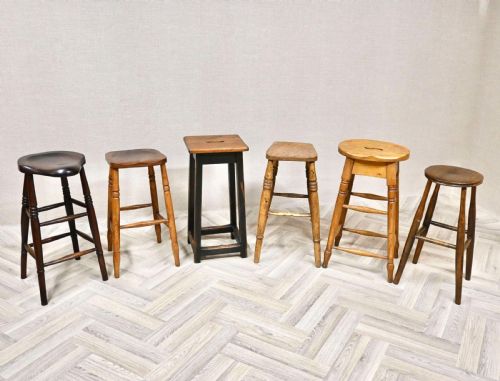
Victorian pub seating covers a range of durable forms designed for commercial interiors, including tavern stools, Windsor armchairs, and long wooden benches originating from the 19th century and Edwardian periods. Buyers encounter various seating types on this page, spanning simple three-legged clerk's stools to expansive leather Chesterfield hall benches and Irish benches.
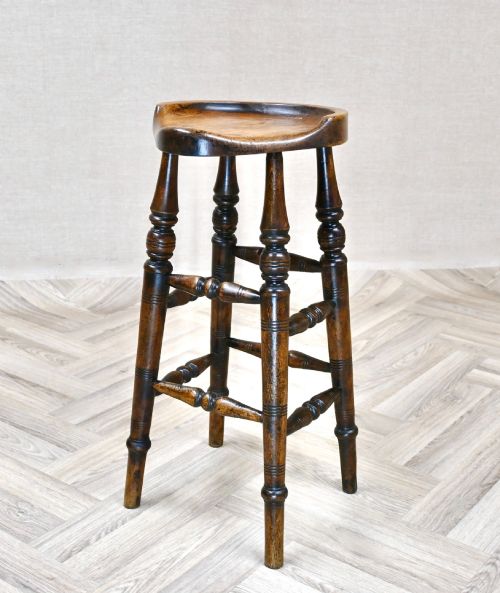
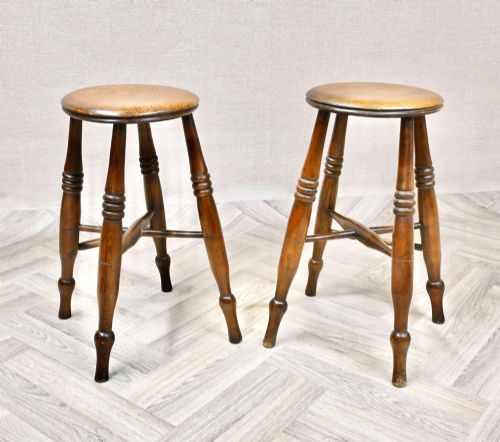
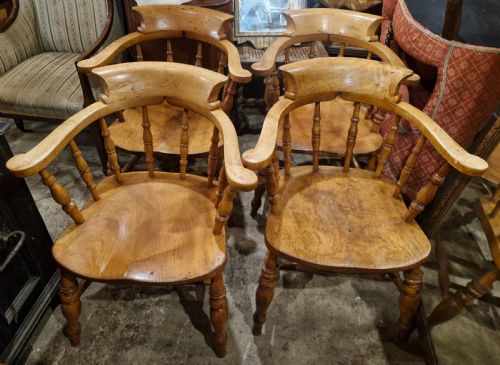
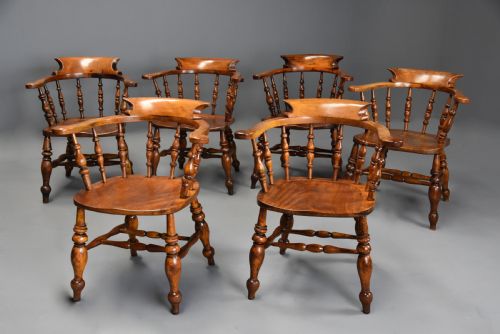
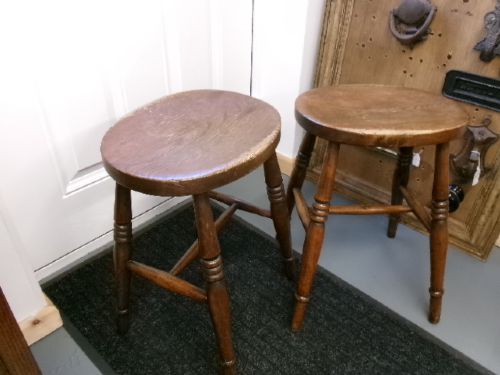
Makers utilised resilient regional styles such as Victorian Country, rustic farmhouse, and vernacular English country designs to construct pieces that served patrons in public houses, taprooms, and commercial settings. The selection frequently includes elm and beech smokers bow armchairs alongside tall bar stools with oval dished tops.
Materials and Construction
Makers built these pieces primarily from solid indigenous timbers such as elm, beech, oak, ash, birch, sycamore, and pine, often combining woods to balance structural strength with comfort. Seats were frequently carved into saddle shapes or fitted with leather, while structural integrity relied on turned spindles, sturdy legs, and traditional joinery.
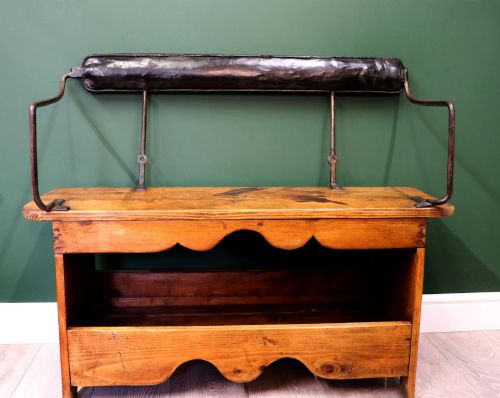
Detailing on surviving examples incorporates brass fixtures and turned wooden components that endured heavy commercial use. Workshops applied these honest construction methods across everyday items like tram reversible benches and tall bar stools.
Victorian Pub Seating Retail Price Guide 2026
Typical asking prices for victorian pub seating among the pieces listed under this phrase on Sellingantiques today, from the lower quarter to the upper quarter. They describe what is for sale here now, not the wider market.
Judging Quality
Quality rests upon the preservation of original timber patination and the integrity of the underlying frame rather than surface polish. Pieces retaining their honest marks of commercial wear demonstrate a higher grade of authenticity than heavily reworked examples.
Subtleties in turning, the depth of dishing in wooden seats, and the selection of denser woods like elm or satin birch distinguish finer workshop output from standard utility seating. The survival of matching sets, such as groups of six bar stools or smokers bow chairs, elevates the standing of individual pieces.
The Victorian Pub Seating Glossary
- Smokers bow
- A low-backed Windsor armchair with a rounded continuous arm rail, popular in 19th-century taverns and domestic kitchens alike.
- Dished top
- A wooden seat carved into a concave, saddle-like depression to provide ergonomic comfort for the sitter.
- Clerk's stool
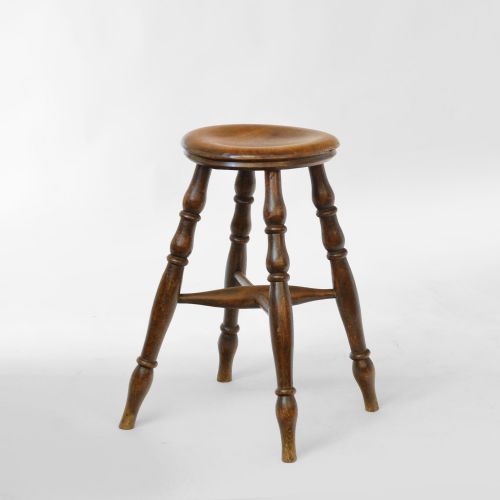
- A tall, turned-leg stool originally designed for high desks in offices, counting houses, and commercial establishments.
- Lathback
- A chair back constructed with vertical wooden slats or laths secured between a top rail and the seat.
Victorian Pub Seating: Frequently Asked Questions
What woods were used for pub seating?
Makers selected resilient domestic hardwoods such as elm, beech, oak, and ash for their ability to withstand constant commercial use in busy taverns and public houses.
Secondary timbers like pine and birch also appear frequently in structural frames and benches.
How do I identify a smokers bow?
A smokers bow is a distinct type of Windsor armchair featuring a low, rounded back rail supported by turned spindles above a solid wooden seat.
These sturdy chairs were widely utilised in 19th-century pubs and vernacular interiors for comfortable tavern seating.
Are tall bar stools period pieces?
Surviving examples originate from the 19th century and early 20th century, displaying turned legs, footrails, and oval dished wooden seats.
They served commercial functions in taprooms, bars, and offices before entering the antique market.
How do I clean antique pub seating?
Maintenance requires gentle dusting and occasional application of appropriate beeswax or nourishing polish to protect the aged timber surface.
Harsh chemical cleaners and modern synthetic oils must be avoided to preserve the original patina of the wood.