


Victorian Pine Console
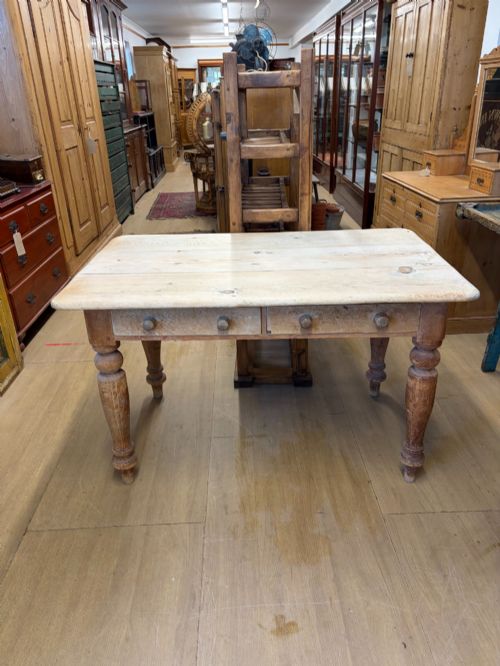
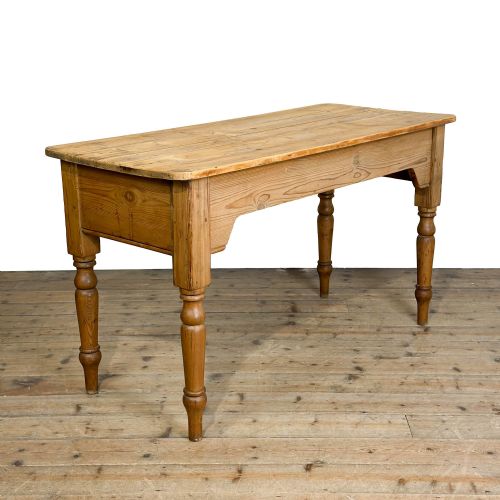
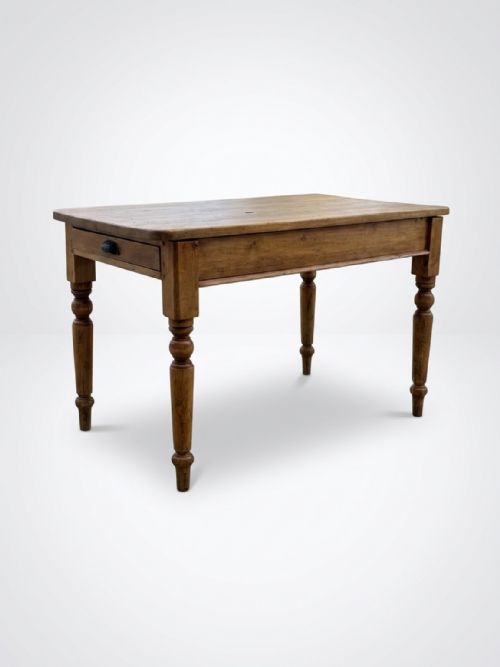
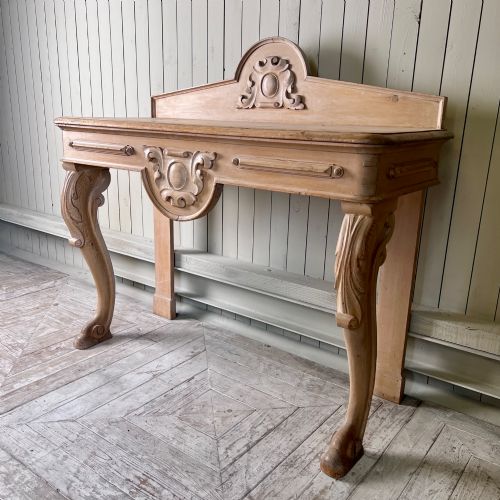
These Victorian pine console pieces offer honest utility and character, bringing warmth and straightforward charm to hallways and living spaces.
Victorian Pine Console
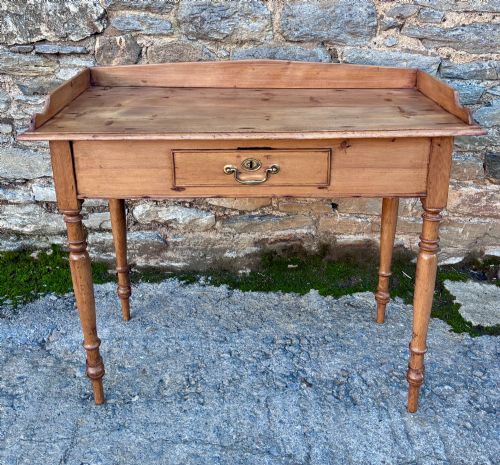
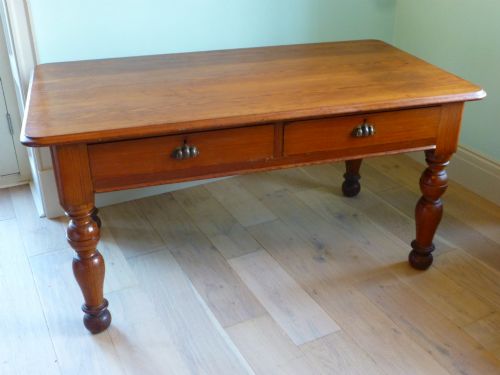
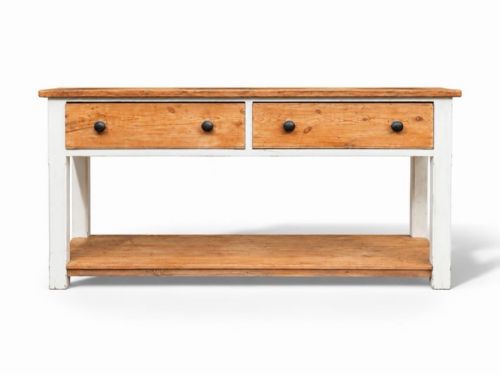
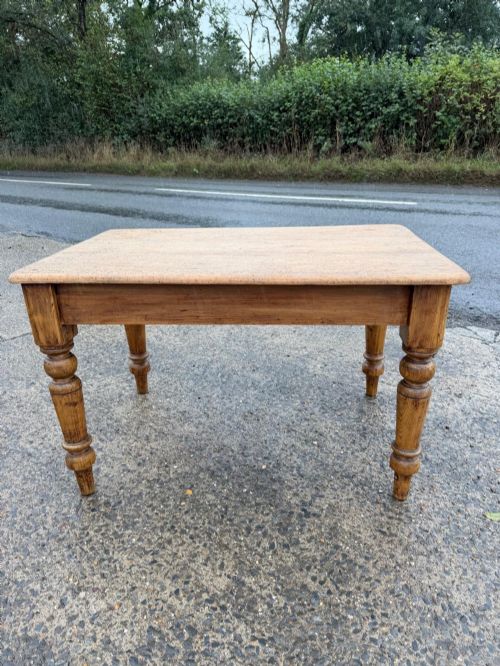
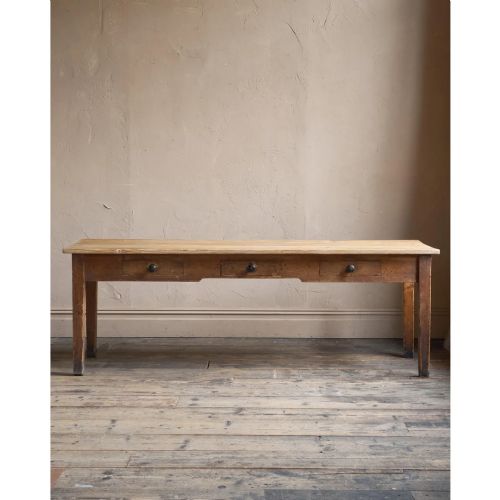
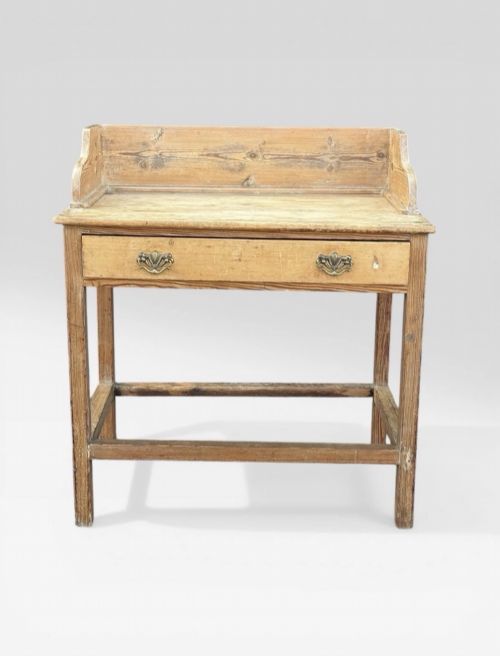
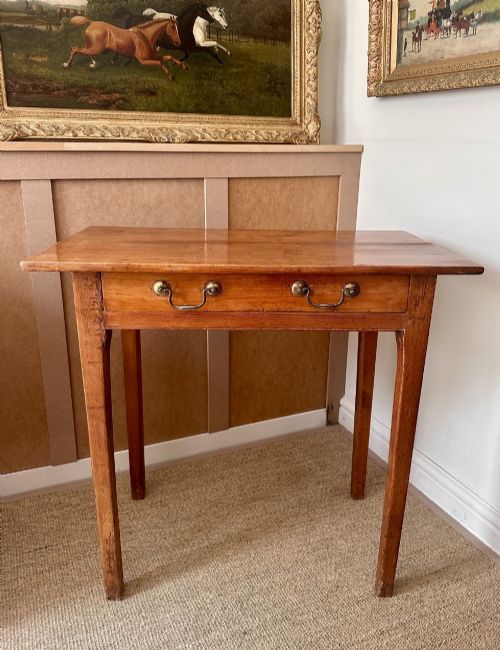
A victorian pine console typically appears as a side table, hall table, or serving table designed for practical use in domestic spaces. These pieces emerge primarily from the nineteenth century, reflecting the utilitarian needs of the period.
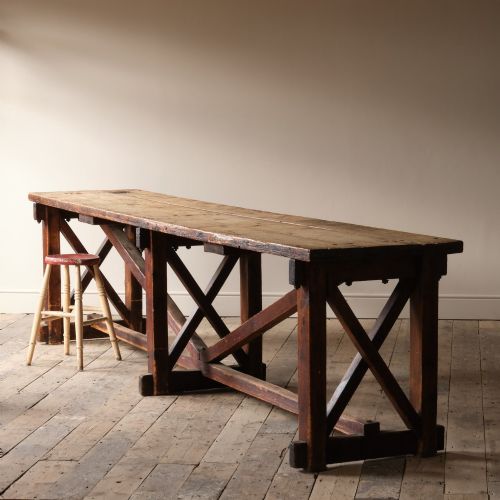
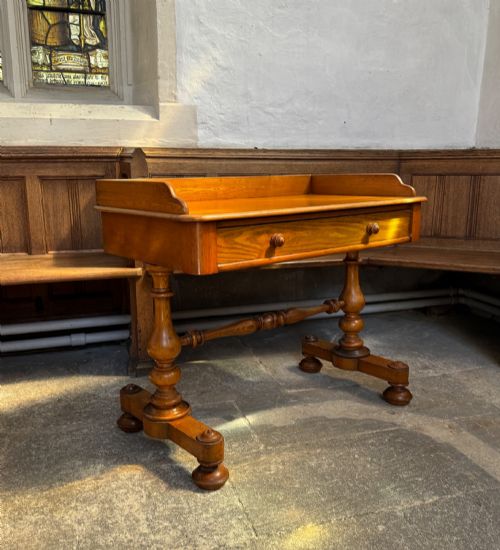
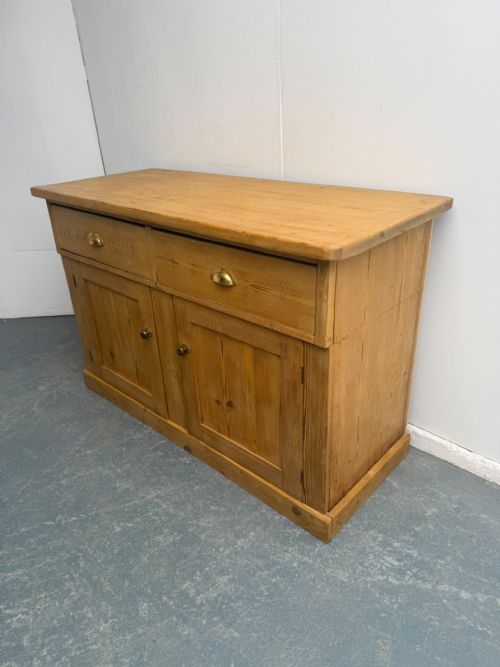
The selection includes washstands, dresser bases, and workbenches alongside standard console forms. Many examples display regional English craftsmanship with straightforward rectangular frames and occasional single drawers.
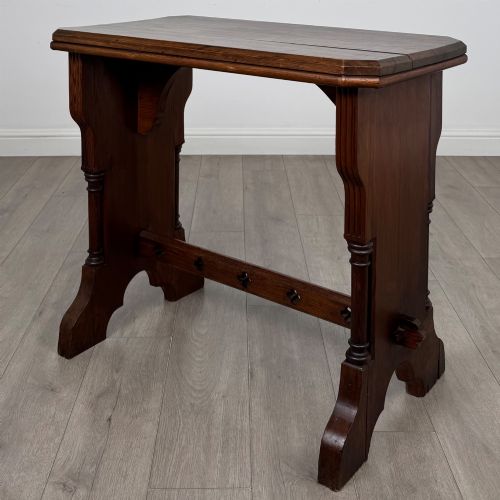
Buyers encounter variations ranging from rustic farmhouse items to Gothic revival and industrial designs. Pitch pine and painted finishes frequently appear among these functional domestic items.
How they were made
Construction relies heavily on pine and pitch pine timbers, sometimes paired with metal, cast iron, or brass fittings. Surfaces often retain original paint, scumble finishes, or wax treatments applied to protect the soft wood.
Joinery techniques reflect period carpentry standards intended for daily utility rather than ostentatious display. Secondary materials such as ceramic components and marble tops occasionally supplement the wooden structures.
Victorian Pine Console Retail Price Guide 2026
Typical asking prices for victorian pine console among the pieces listed under this phrase on Sellingantiques today, from the lower quarter to the upper quarter. They describe what is for sale here now, not the wider market.
Organ benches occasionally moonlight as side tables, proving that Victorian church musicians left behind surprisingly adaptable furniture.
What varies in quality
The degree of original surface preservation distinguishes standard examples from more desirable specimens. Pieces retaining uncompromised early paint or scumble finishes command greater attention from collectors.
Structural integrity and the retention of original fittings, such as drawers and handles, determine the overall merit of an item. Subtle details like cabriole legs or Gothic carving elevate certain forms above plain utilitarian tables.
The Victorian Pine Console Glossary
- Console table
- A table designed to stand against a wall, frequently used in hallways or reception rooms. These items often feature a narrow profile to maximise floor space.
- Pitch pine
- A dense, resinous variety of pine timber utilised for its durability and prominent grain pattern. This material frequently appears in late nineteenth century furniture.
- Scumble
- A decorative paint technique involving a translucent top layer manipulated to simulate wood grain or texture. Victorian makers employed this method to embellish inexpensive woods.
- Frieze
- The horizontal architectural band situated beneath the upper surface of a table. Drawers are frequently integrated into this section.
- Washstand
- A specialised table or cabinet constructed to hold a basin and pitcher for personal hygiene. These functional pieces often include tiled splashbacks or lower shelves.
Victorian Pine Console: Frequently Asked Questions
Where should I place a console table?
These tables fit naturally in narrow hallways, living rooms, or dining areas where surface space is required without blocking movement. Their slim proportions allow them to sit flush against walls.
Positioning them beneath a mirror or artwork creates a balanced focal point in an entryway. They offer convenient drop zones for everyday items while adding period character to the room.
How do I clean scumble painted surfaces?
Dust the surface gently with a soft, dry cloth to remove daily debris. Avoid harsh chemical cleaners that might strip the delicate decorative paint layers.
If deeper cleaning is necessary, use a slightly damp cloth with mild soap, drying the wood immediately afterwards. Preserving the original finish requires a cautious and minimal approach.
What is the difference between pine and pitch pine?
Standard pine is a softer softwood with a relatively pale, uniform appearance and subtle grain. It was widely used for general household furniture and painted items.
Pitch pine contains higher resin content, making it harder, heavier, and more durable. It displays a distinct, highly figured grain pattern that becomes prominent under clear wax finishes.
Can I use a washstand as a side table?
Washstands adapt well to modern living spaces as side tables or lamp stands. Their original lower shelves provide practical storage for books or decorative objects.
Their compact footprints make them suitable for smaller rooms where standard tables might overwhelm the space. The added height of some washstand backs also introduces visual interest.