



Victorian Pine Coffee Table
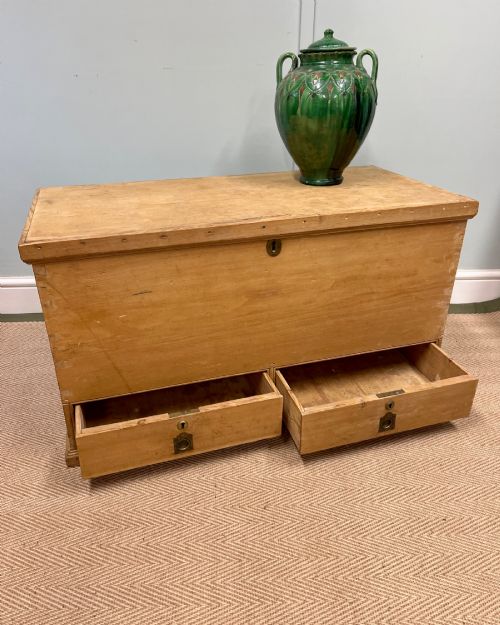
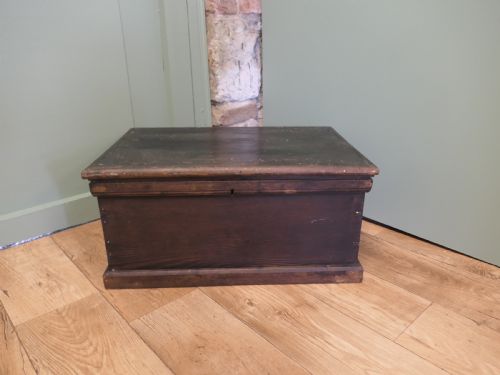
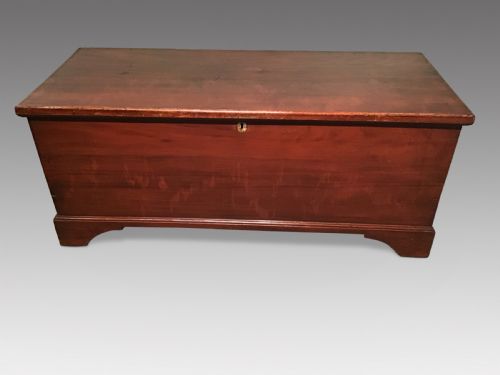
These pieces take the utility of a victorian pine coffee table and give a room grounded timber character through repurposed storage chests and low benches.
Victorian Pine Coffee Table
A victorian pine coffee table typically originates as a utilitarian blanket box, trunk, or carpenter's chest adapted for modern living.
Makers on this page encounter pieces dated broadly across the nineteenth century, including specific years like eighteen ninety and eighteen seventy.
The inventory leans heavily on low proportions, featuring scrub tops, turned legs, and converted farmhouse tables suited to contemporary sitting rooms.
Materials and construction
The primary material is solid pine or pitch pine, finished with traditional wax to preserve the historic grain and colour.
Structural durability often relies on iron and brass bindings, hinges, and corner brackets originally designed for rigorous transport or daily trade use.
Victorian Pine Coffee Table Retail Price Guide 2026
Typical asking prices for victorian pine coffee table among the pieces listed under this phrase on Sellingantiques today, from the lower quarter to the upper quarter. They describe what is for sale here now, not the wider market.
One curious nineteenth-century item carries the historic designation of a pig scratch.
Assessing quality
Quality rests on the integrity of the original timber and the subtlety of any conversion work, particularly how legs or height adjustments integrate with the main body.
Examples retaining interior fittings, such as secret drawers or fitted compartments, demonstrate higher craftsmanship than standard utility boxes.
The Victorian Pine Coffee Table Glossary
- Blanket box
- A large storage chest traditionally used for linens and woollens. These deep containers form the basis of many low coffee table conversions.
- Pitch pine
- A dense, resinous variety of pine with a pronounced grain pattern. It provides exceptional durability for heavy use surfaces.
- Scrub top
- A plain wooden table surface designed to be scrubbed clean. This utilitarian finish gives rustic farmhouse tables their characteristic pale texture.
- Turned leg
- A wooden support shaped on a lathe. They appear on various nineteenth-century low tables and converted chests.
Victorian Pine Coffee Table: Frequently Asked Questions
Are these tables converted from old chests?
Many examples begin life as nineteenth-century blanket boxes, shipping trunks, or carpenter's chests before being adapted to a coffee table height.
Others originate as low occasional tables or farmhouse tables specifically built with reduced vertical proportions.
How do I clean a waxed pine surface?
Maintenance involves dusting with a soft cloth and applying a traditional beeswax polish periodically to nourish the dry timber.
Water and harsh detergents should be kept away from the wax finish to prevent spotting and discolouration.
Do these tables include internal storage?
Pieces originating from blanket boxes and chests frequently retain their hinged lids and hollow interiors for concealed storage.
Some refined examples also incorporate functional drawers beneath the main surface for smaller items.
How do I identify a nineteenth century piece?
Authentic nineteenth-century construction is identifiable through hand-cut dovetails, forged iron hardware, and aged pine patination.
Surface marks and tool impressions reflect the working origins of carpenter's chests and transport trunks.