



Victorian Pendant Earrings
Victorian pendant earrings bring movement and rich historic detail to the ear, spanning gold, silver, diamonds, and carved coral.
Victorian Pendant Earrings
These items comprise drop and dangle designs intended to catch the light with every turn of the head. When exploring victorian pendant earrings, buyers encounter pieces from the nineteenth century alongside later revivals.
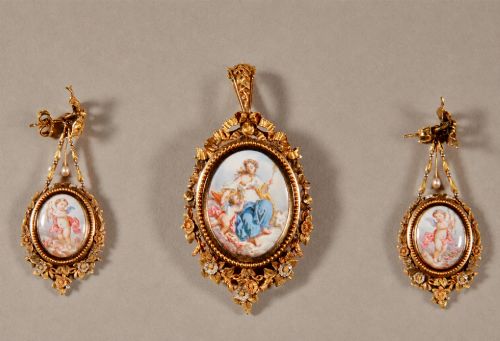
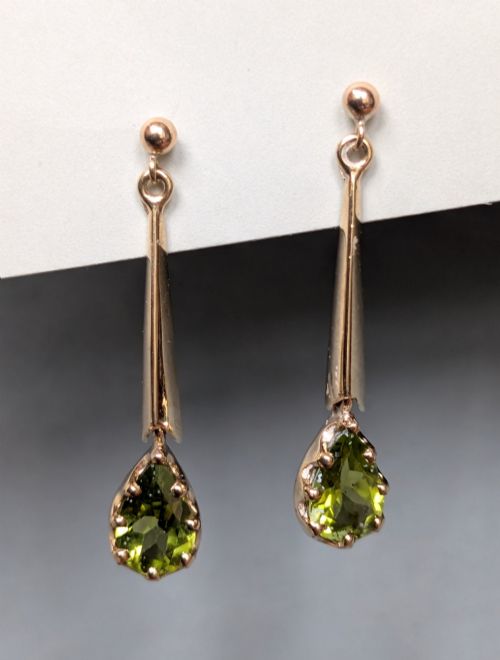
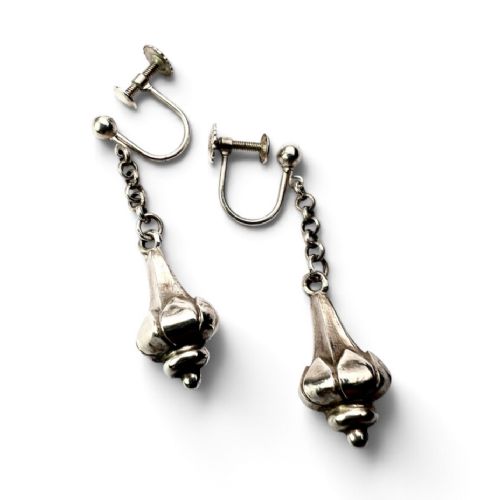
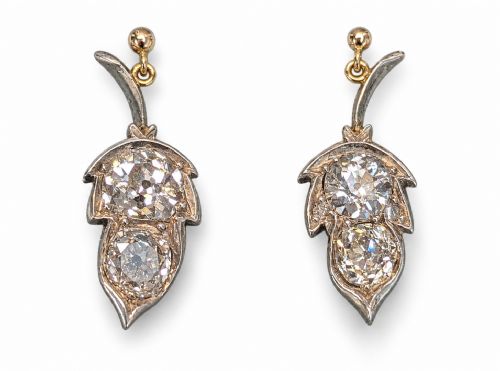
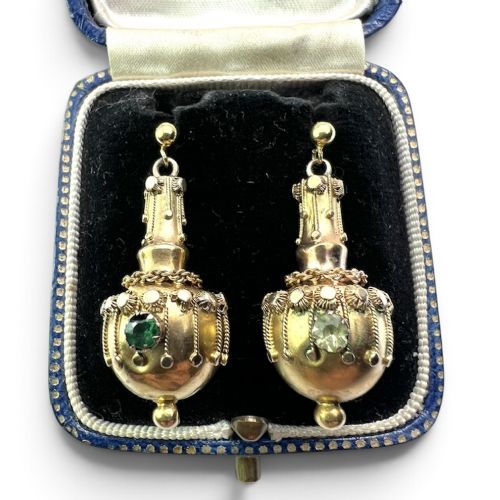
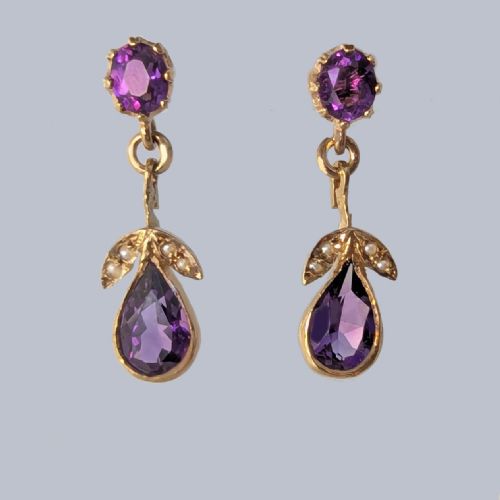
The selections span distinct forms such as teardrops, amphorae, tassels, and botanical motifs including leaves and acorns. Gold forms the backbone of the grouping, appearing alongside silver mountings and varied gemstones.
Construction and Materials
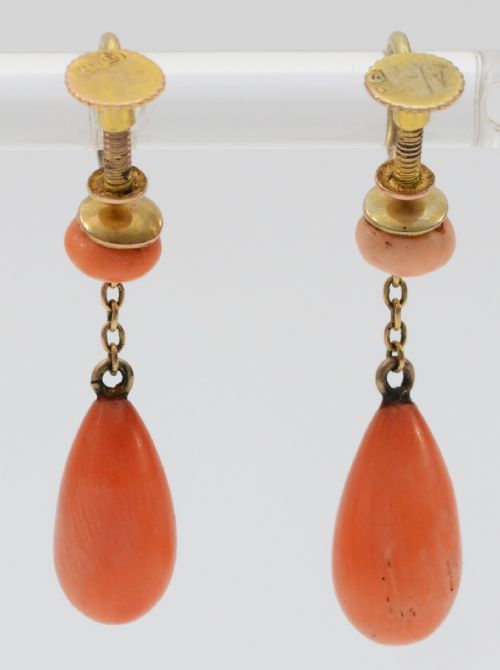
Craftsmen utilised varying purities of gold, including nine carat, fifteen carat, and eighteen carat variants, frequently paired with silver to enhance the brilliance of old cut diamonds. Gemstones such as amethyst, garnet, turquoise, and coral were shaped into cameos, beads, and flat cuts.
Techniques range from intricate wirework seen in Etruscan revival pieces to delicate foliate mounts and foxtail tassels. Metal components were hammered, chased, and cast to support stones securely while maintaining graceful motion.
Victorian Pendant Earrings Retail Price Guide 2026
Typical asking prices for victorian pendant earrings among the pieces listed under this phrase on Sellingantiques today, from the lower quarter to the upper quarter. They describe what is for sale here now, not the wider market.
Day-to-night earrings allowed Victorian wearers to detach the bottom drops for a simpler daytime look before reattaching them for evening balls.
Judging Quality
The standard of execution in metalwork and gemstone selection distinguishes finer examples. Crisp detail in carved coral and shell cameos indicates superior skill from the maker.
Proportion and balance dictate the elegance of a drop earring, where secure settings and matching stones elevate the overall composition.
The Victorian Pendant Earrings Glossary
- Etruscan Revival
- A nineteenth century design movement inspired by archaeological discoveries of ancient Italian metalwork. It relies on granulation and wirework applied to gold surfaces.
- Old Cut Diamond
- A historically cut diamond featuring a small table, high crown, and open culet. These stones were shaped by hand before modern symmetrical faceting standards were established.
- Parure
- A matching set of jewellery consisting of multiple pieces designed to be worn together. Such suites typically include earrings alongside a brooch or pendant.
- Seed Pearl
- A very small natural or saltwater pearl, often pierced and threaded onto silk or wire. They are frequently clustered to form floral or botanical motifs in Victorian jewellery.
- Agate
- A variety of chalcedony quartz exhibiting natural bands of colour. Scottish agates gained particular popularity during the Victorian era for geometric and pebble jewellery.
Victorian Pendant Earrings: Frequently Asked Questions
How do I care for antique coral earrings?
Coral is a delicate organic material that requires gentle cleaning with a soft, dry cloth. Avoid exposure to harsh chemicals, perfumes, and prolonged water immersion.
Store them separately in a lined box to prevent scratching against harder gemstones and metals.
Are these earrings for pierced ears?
Many Victorian designs utilise wire hooks or secure lever backs intended for pierced lobes. Some examples feature screwback mechanisms designed for non-pierced ears.
Check the specific description of each item to confirm the fastening type before purchase.
What defines Etruscan Revival style?
This style draws inspiration from ancient Etruscan artefacts unearthed during nineteenth-century excavations. It is characterised by applied gold wirework and tiny granules arranged in geometric patterns.
Jewellers utilised high karat yellow gold to achieve the rich historic hue associated with these pieces.