




Victorian Patio Seat
These victorian patio seat examples bring solid cast iron and wirework into the garden, offering enduring utility and period character for outdoor spaces.
Victorian Patio Seat
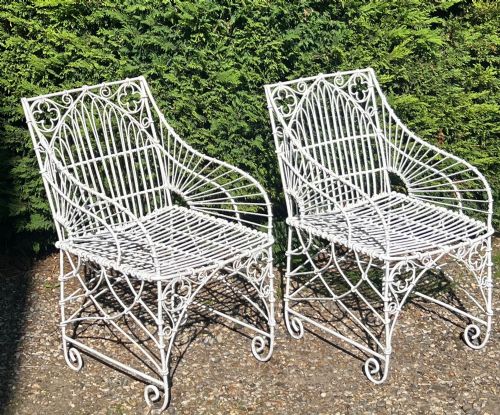
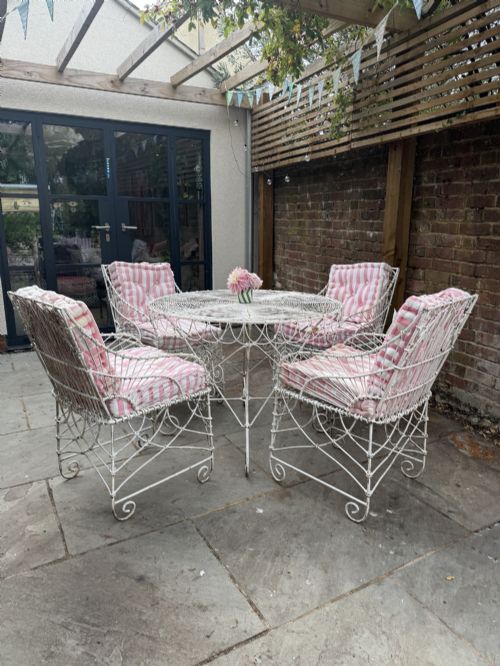
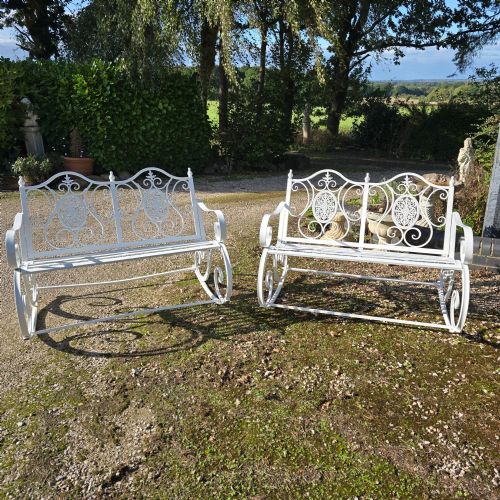
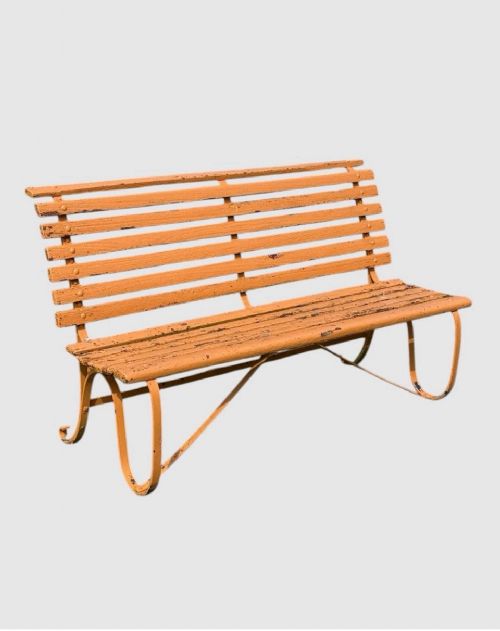
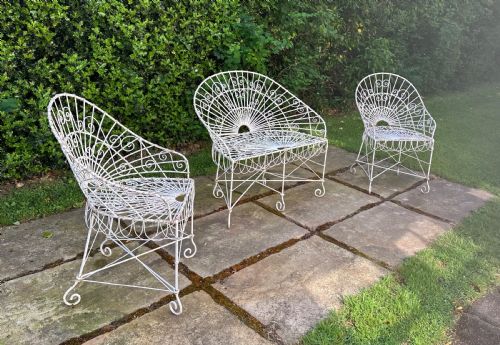
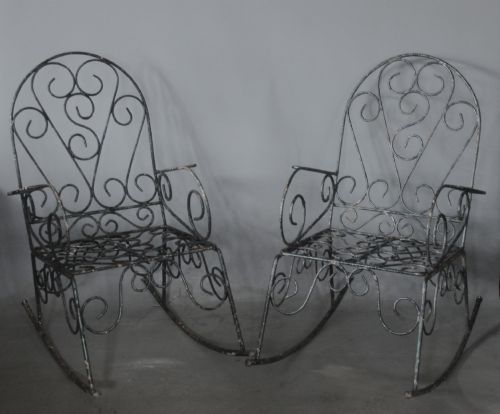
A victorian patio seat encompasses a range of robust garden furniture, from single chairs and rocking benches to complete dining sets and garden tables. You will most frequently encounter sturdy cast iron construction alongside wirework and wooden combinations shaped in distinct nineteenth-century styles.
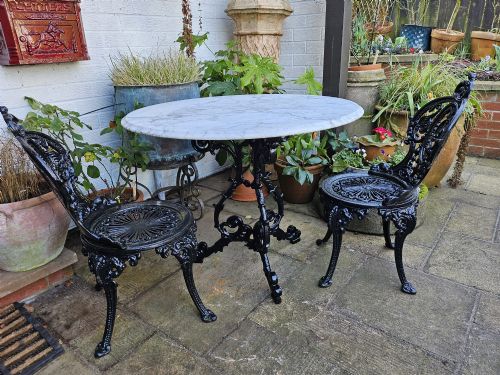
The selections on this page span several specific forms, including bistro sets with marble tops, gothic style chairs, and matched garden benches with companion seating. Makers from various periods adapted these patterns for domestic lawns and club grounds alike.
While the search points to a Victorian origin, the listings also include pieces from the early decades of the twentieth century that faithfully follow earlier designs. Buyers secure these items to anchor an outdoor seating area with genuine historical weight.
Materials and construction
Foundries utilised heavy cast iron and wrought iron to form the rigid frames and ornate backs characteristic of these outdoor seats, often applying protective layers of paint. These metal components provide the heavy weight necessary to withstand garden use.
Some examples incorporate intricate wirework or timber elements alongside the metal frameworks, occasionally paired with marble table tops for dining sets. Artisans joined these diverse materials to create durable garden furniture capable of enduring weather.
Victorian Patio Seat Retail Price Guide 2026
Typical asking prices for victorian patio seat among the pieces listed under this phrase on Sellingantiques today, from the lower quarter to the upper quarter. They describe what is for sale here now, not the wider market.
Assessing the grade
Quality in a victorian patio seat rests upon the crispness of the iron casting and the complexity of the design, such as elaborate gothic motifs or matched sets of four chairs. Superior examples maintain structural integrity without excessive pitting to the metal surfaces.
The presence of an integrated matching table or a documented foundry design elevates a piece above standard utility items. Original paint surfaces and well-preserved wirework structures further distinguish the finer examples in the range.
Christopher Dresser·Val D'osne
The Victorian Patio Seat Glossary
- Cast iron
- Molten iron poured into a mould to create rigid, highly decorative components. This technique allows for complex patterns and substantial weight in garden seats.
- Wrought iron
- Iron beaten and worked by hand into shape rather than cast in a mould. This material offers fibrous strength and distinct forged textures.
- Wirework
- Metal strands bent and welded into patterned mesh or structural frames. It appears frequently in lighter garden chairs and tables from the period.
- Gothic Revival
- An architectural and decorative style inspired by medieval forms. This aesthetic is marked by pointed arches and vertical tracery seen on chair backs.
- Bistro set
- A small table paired with two or more matching chairs designed for compact spaces. These sets often feature round metal or marble tops.
Victorian Patio Seat: Frequently Asked Questions
How do I care for cast iron outdoors?
Cast iron garden furniture requires periodic inspection and appropriate painting to prevent rust accumulation from moisture. Keeping the metal sealed preserves both the structural strength and the decorative surface.
During harsher winter months, storing lighter wirework or moving pieces under cover helps protect delicate joints and painted finishes from frost damage.
Are these seats comfortable to use?
Many iron and wirework seats feature contoured backs and sloped seating profiles designed to support sitting without upholstery. Adding fitted cushions can increase comfort for longer periods in the garden.
Rocking chairs and standard benches offer varied seating angles suited for different outdoor settings and personal preferences.
How do I identify a true period piece?
Examine the casting quality, weight, and assembly methods, looking for the characteristic textures of nineteenth-century foundry work. Heavier components and authentic wear patterns often distinguish older pieces from later revivals.
Design motifs such as gothic tracery or specific maker attributions help place the item within its historical context.
Can these sets stay outside year round?
Metal garden furniture is built to withstand outdoor environments, though extreme weather can accelerate paint wear and surface oxidation. Regular maintenance ensures the materials remain resilient against the elements.
Placing furniture on paved patios rather than directly on damp grass also reduces moisture absorption from the ground.