
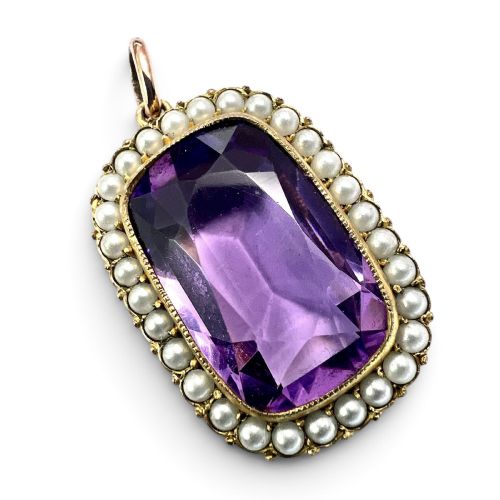


Victorian Paste Necklace
These brilliant pieces are a victorian paste necklace, offering the sparkle of fine gems through clever glasswork.
Victorian Paste Necklace
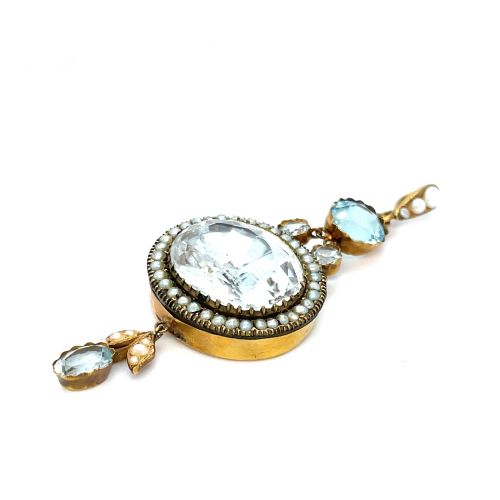
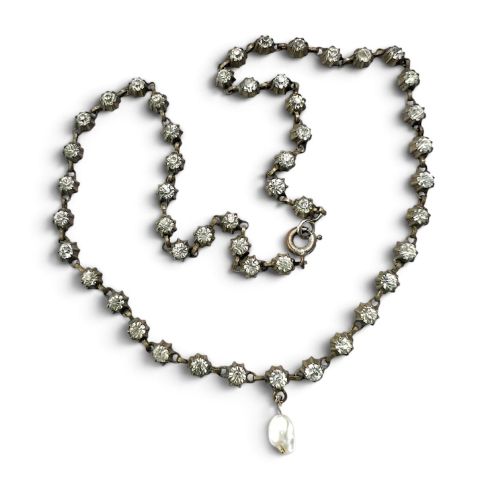
A victorian paste necklace brings together glass gems and precious metals from the nineteenth century. These jewels replicate diamond, ruby, sapphire, and emerald using hand-cut paste glass set in silver or gold.
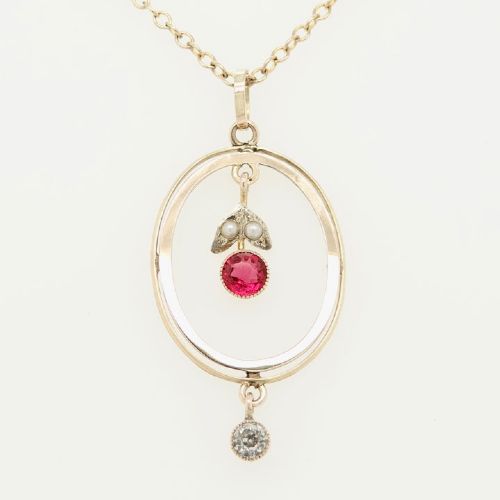
Most examples found here date from the Victorian period, alongside pieces from the Edwardian era and nineteen hundred. They take the form of drop pendants, lockets, and riviere lines.
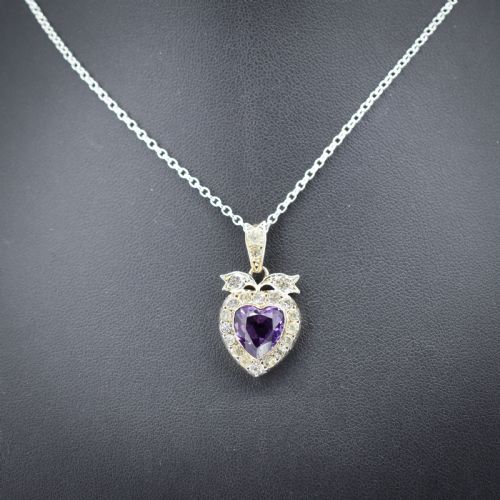
Makers combined paste with pearls, rock crystal, aquamarine, and amethyst. Common configurations include halo pendants, heart pendants, and elaborate drop chains.
How they were made
Craftsmen shaped glass into faceted stones, often utilising foil backing behind the paste to enhance brilliance and colour. These stones were then mounted in silver or gold settings.
Metalwork involved fine silver filigree, gold gilt, and nine-carat or fifteen-carat gold structures. Details like seed pearls, hand-carved whitby jet, and delicate chain links completed the construction.
One past piece cleverly incorporates a hand-carved Whitby jet cross alongside its paste chain.
What varies in quality
The sophistication of the stone-cutting and the clarity of the paste dictate the overall refinement of the jewel. Hand-cut stones with sharp facets reflect light with greater intensity than moulded glass.
The choice of setting metal elevates a piece, moving from silver-gilt and sterling silver to higher grades of gold. Superior examples feature integrated design work, such as filigree or multi-gem coordination.
The Victorian Paste Necklace Glossary
- Paste
- Hand-cut lead glass used to imitate gemstones in historic jewellery. It captures light remarkably well when faceted by skilled hands.
- Riviere
- A necklace composed of a continuous line of similarly sized or graduated gemstones. In paste jewellery, these stones are typically foil-backed.
- Foil back
- A thin sheet of reflective metal placed behind a transparent gemstone or paste. This technique amplifies the brilliance and deepens the colour of the stone.
- Seed pearl
- Very small natural pearls often utilised in Victorian and Edwardian clusters and floral motifs. They provide a soft contrast to bright paste stones.
- Filigree
- Delicate openwork jewellery created by twisting fine gold or silver wire. It requires high precision from the metalsmith.
Victorian Paste Necklace: Frequently Asked Questions
What is a paste necklace?
A paste necklace is a period piece featuring hand-cut lead glass stones designed to imitate precious gems. These glass stones are set in metals like silver and gold.
Such necklaces were created across the nineteenth and early twentieth centuries to offer striking brilliance and intricate design without relying exclusively on mined gemstones.
How do I date a paste necklace?
Dating relies on examining the metal settings, the cut of the paste, and the overall design style. Pieces from the Victorian era often feature distinct silver mountings and foil-backed stones.
Later Edwardian and nineteen-hundred examples introduce finer chain work and different stylistic influences, such as Austro-Hungarian motifs or Arts and Crafts elements.
Are the metals solid gold or silver?
The listings show pieces constructed from sterling silver, gold gilt, and solid gold variants including nine-carat and fifteen-carat gold. Makers matched the metal quality to the importance of the design.
Silver was frequently used for traditional Victorian settings, whilst higher carat golds appear on specific pendant chains and special commissions.
Can I wear a victorian necklace daily?
These antique necklaces require careful handling due to their age and delicate construction. Paste stones and foil backs are sensitive to moisture and harsh cleaning agents.
Storing them properly and avoiding direct contact with perfumes will help preserve the integrity of the silver, gold, and glass components for everyday enjoyment.