





Victorian Parlour Desk
These victorian parlour desk examples are chiefly seating and library tables crafted to furnish domestic spaces during the nineteenth and early twentieth centuries.
Victorian Parlour Desk
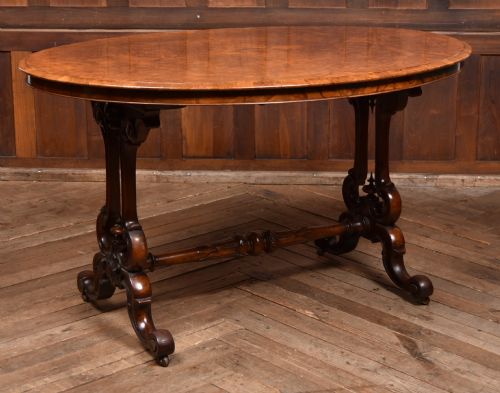
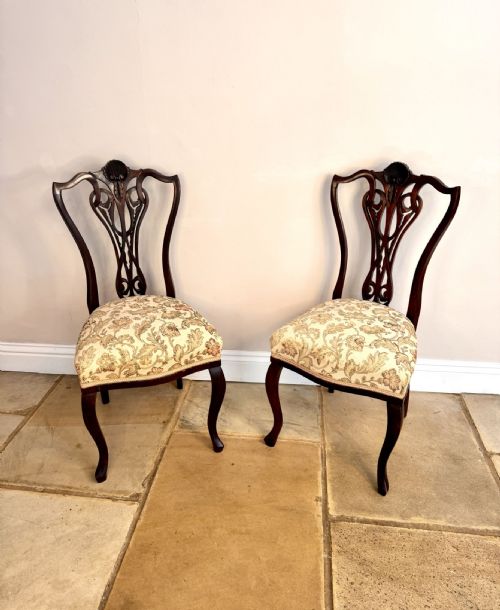
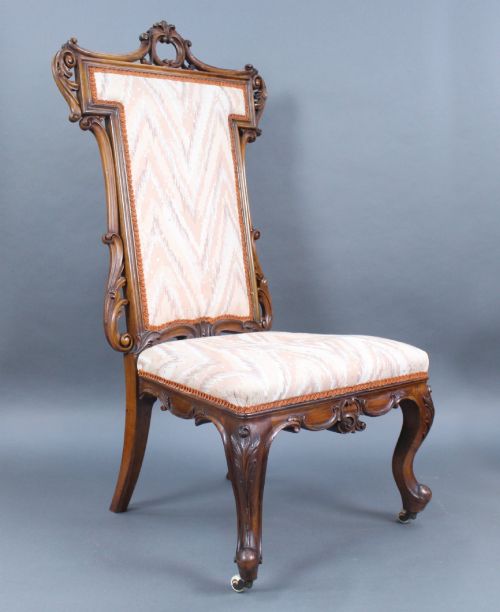
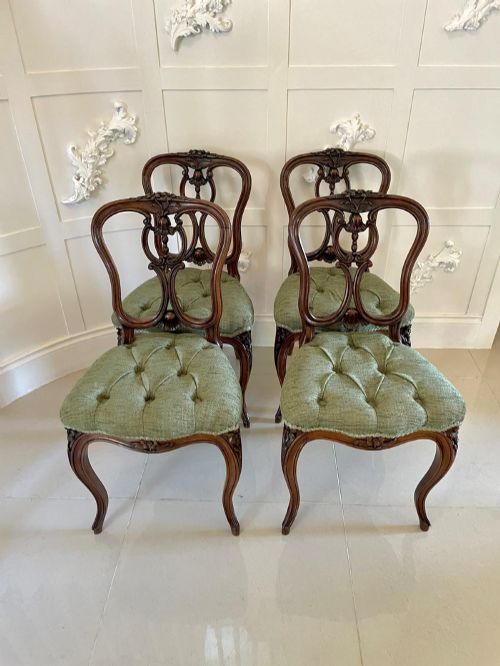
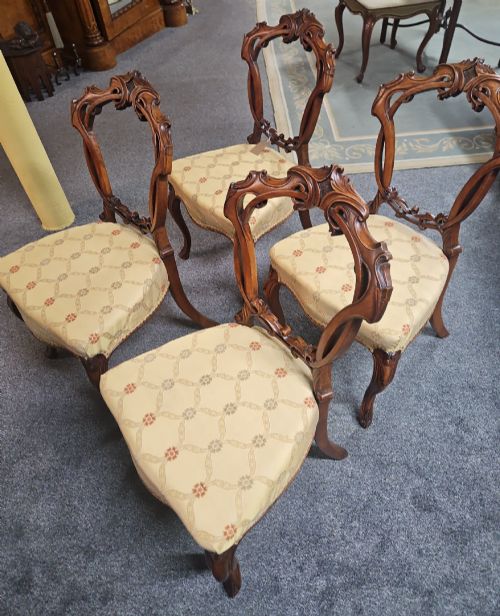
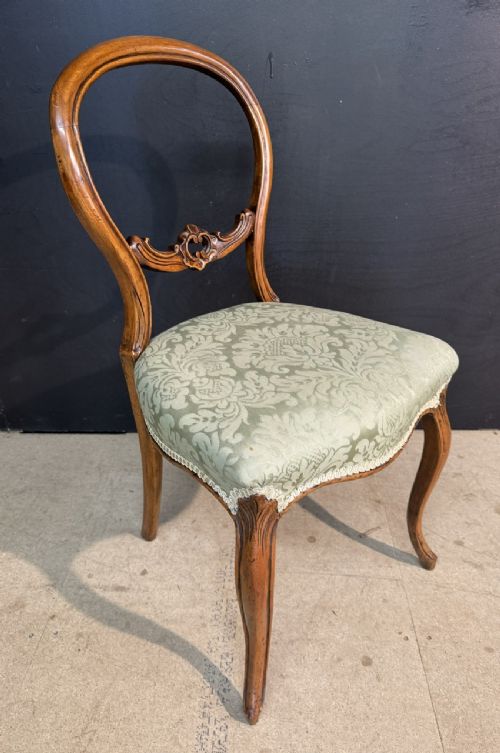
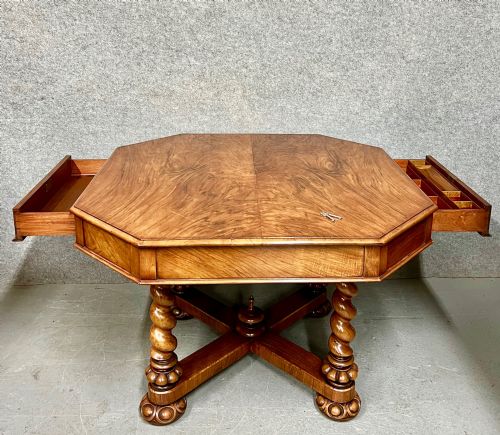
When you search for a victorian parlour desk, you encounter various seating and tables originating from the Victorian and Edwardian eras. The current selection largely comprises side chairs, armchairs, occasional chairs, and library tables rather than traditional writing desks.
Makers of the period produced these pieces using timbers such as mahogany, walnut, and rosewood, often incorporating brass hardware, velvet, and satinwood inlay. Styles range from early Victorian designs to Rococo Revival and Edwardian marquetry.
Materials and construction
Construction relies heavily on dense hardwoods like mahogany, walnut, and rosewood, which provide the structural integrity required for carved frames and cabriole legs. Workshops utilised traditional joinery techniques to shape frames intended for frequent domestic use.
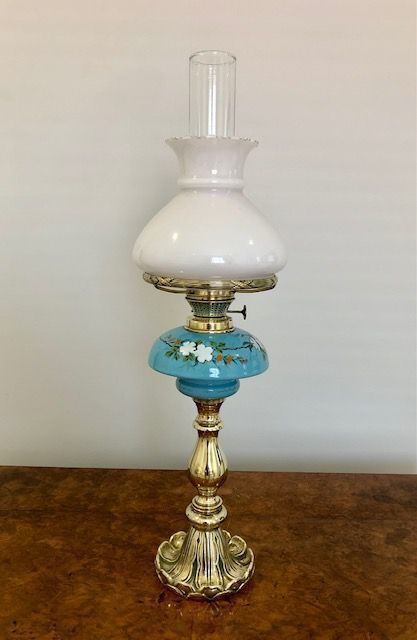
Surface ornamentation includes satinwood inlay and detailed carving, while seating elements frequently integrate fabric upholstery and velvet. Brass fittings appear on functional pieces such as oil lamps and library tables to add durability and contrast.
Victorian Parlour Desk Retail Price Guide 2026
Typical asking prices for victorian parlour desk among the pieces listed under this phrase on Sellingantiques today, from the lower quarter to the upper quarter. They describe what is for sale here now, not the wider market.
Listings span periods from the mid-nineteenth century to the Edwardian era, utilising mahogany, walnut, rosewood, and brass.
Assessing quality
Quality in these items is determined by the crispness of the wood carving and the selection of timber figure, such as well-matched mahogany or rosewood grain. Superior examples exhibit precise joinery and balanced proportions across both single items and matched sets.
The sophistication of decorative details like satinwood inlay and the condition of original upholstery materials further separate standard production pieces from finer workshop outputs.
Jenks & Wood
The Victorian Parlour Desk Glossary
- Cabriole leg
- A furniture leg that curves outward at the knee and tapers inward toward the foot, often seen in Revival styles. This form mimics animal limbs and appeared frequently on mid-nineteenth-century seating.
- Satinwood inlay
- A decorative technique where lighter contrasting wood is fitted into recesses on a darker primary timber surface. It creates geometric or floral patterns across panels and table tops.
- Rococo Revival
- A mid-nineteenth-century design movement characterised by asymmetrical scrollwork, naturalistic floral carving, and curving lines. It heavily influenced Victorian parlour seating.
- Library drum table
- A round table supported by a central pillar on feet, typically featuring drawers around the perimeter. These were designed for storing books and writing materials in domestic libraries.
- Occasional chair
- A lightweight, movable chair designed to be placed around a room as needed rather than assigned to a permanent dining position. They often feature decorative carved frames and upholstered seats.
Victorian Parlour Desk: Frequently Asked Questions
What defines a parlour chair?
Parlour chairs were designed for entertaining and domestic comfort in nineteenth-century reception rooms. They typically feature decorative carved frames in walnut or mahogany.
These seats often incorporate upholstered elements in velvet or fabric, reflecting the fashionable styles of the Victorian and Edwardian periods.
How do I care for rosewood furniture?
Rosewood requires stable indoor humidity levels and protection from direct sunlight to prevent the timber from drying and fading. Regular dusting with a soft, dry cloth preserves the polished surface.
Avoid placing these items near direct heat sources, which can cause timber movement and stress traditional joints.
What is a library drum table?
A library drum table is a circular freestanding table supported by a central pedestal base. The top surface often incorporates a leather insert surrounded by small drawers.
These tables were utilised in domestic libraries and studies to hold books, papers, and writing implements.
How can I distinguish Victorian from Edwardian pieces?
Victorian pieces from the mid to late nineteenth century frequently display heavier proportions, rich dark timbers, and robust carving styles like Rococo Revival. Details tend to be ornate and substantial.
Edwardian items from the early twentieth century often present lighter frames, subtle satinwood inlay, and simpler geometric or marquetry patterns.