

Victorian Panelled Cabinet
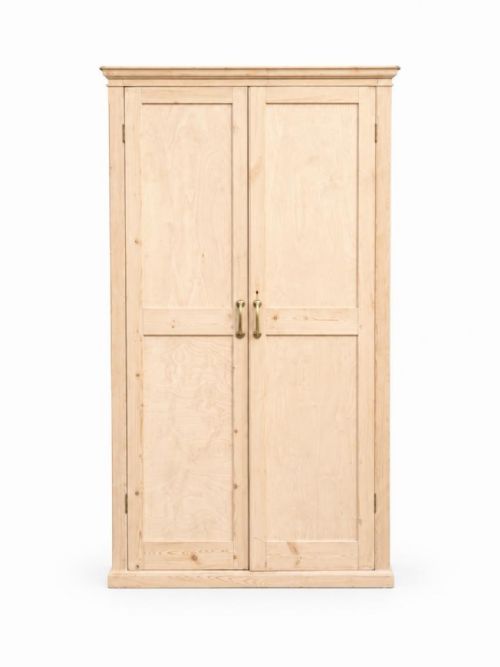
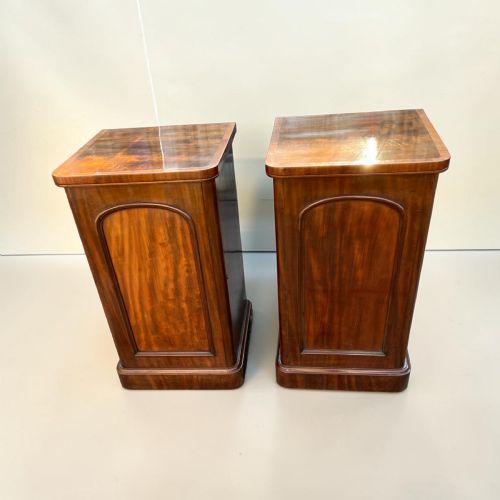
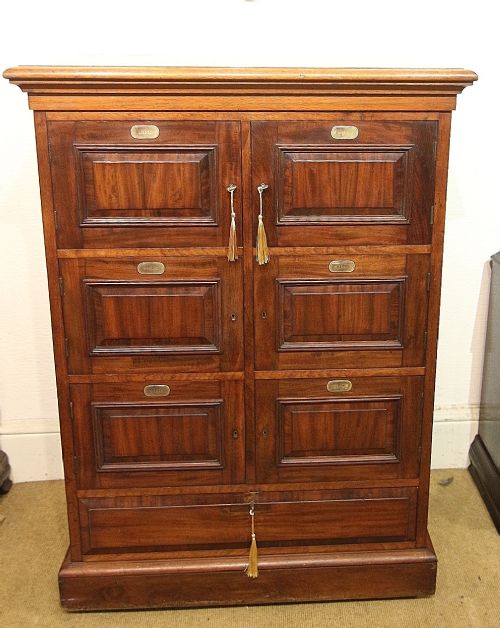
These Victorian panelled cabinet examples bring solid timber storage into a room, most commonly found as mahogany or oak side cupboards and bedside units.
Victorian Panelled Cabinet
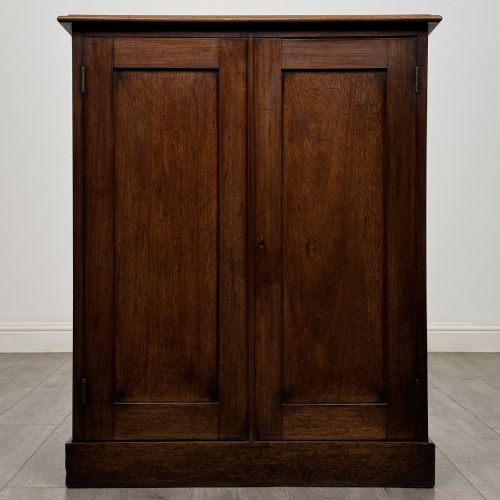
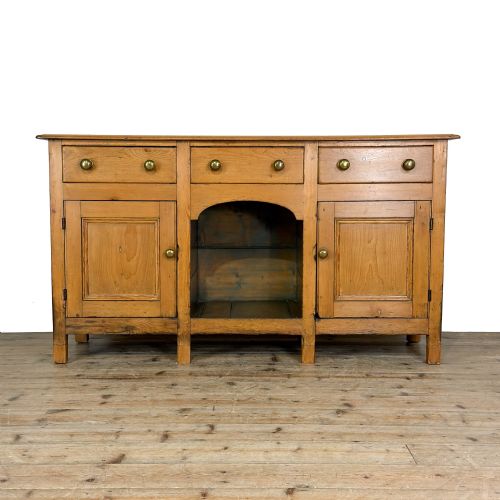
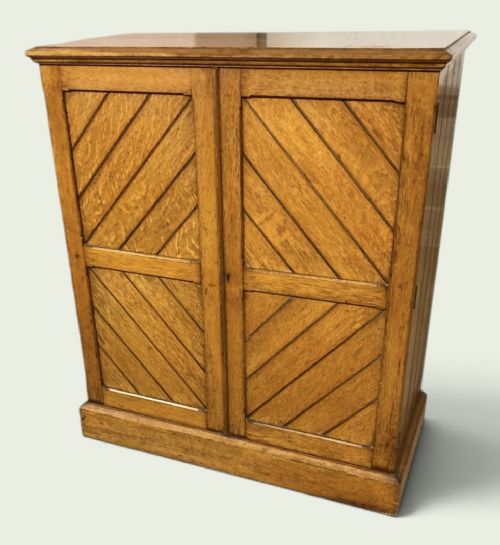
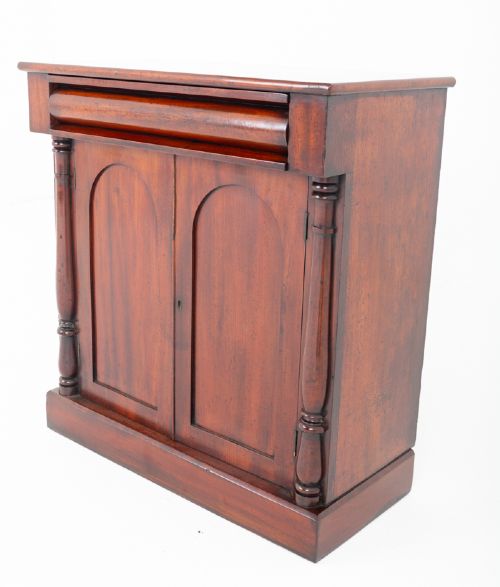
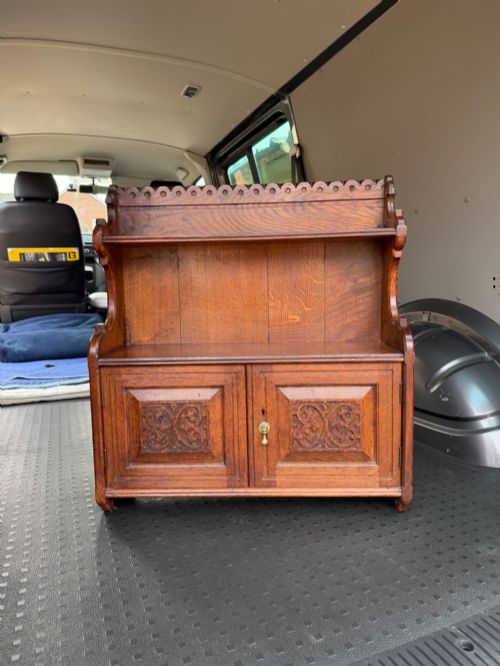
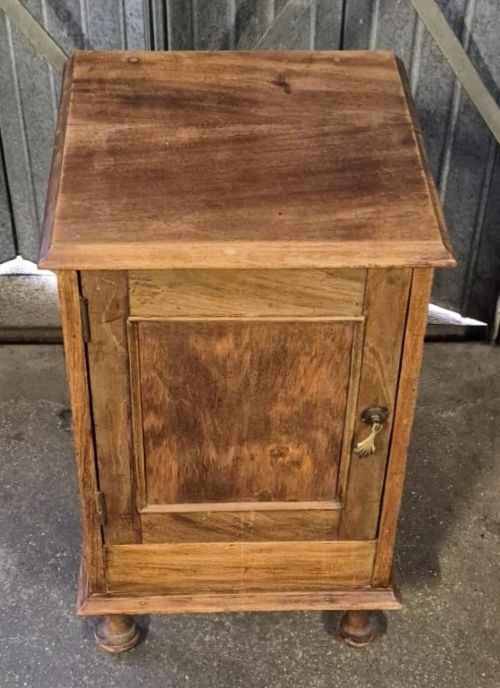
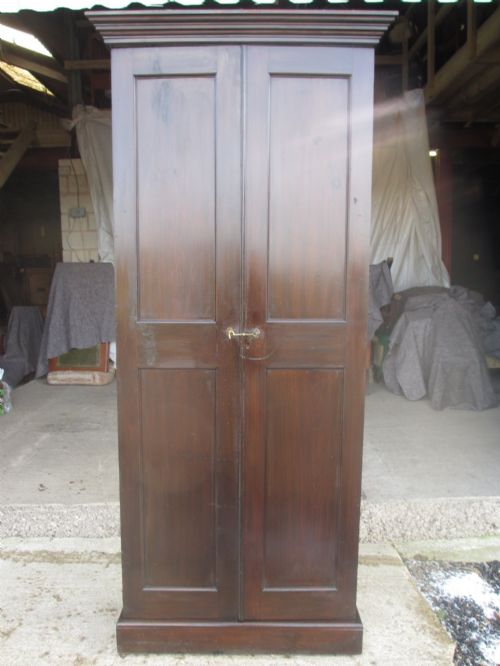
A victorian panelled cabinet provides functional storage through timber doors constructed with recessed or raised wooden panels, appearing frequently across this selection in forms such as bedside cupboards, side cabinets, and larger linen presses. These pieces originate across the nineteenth century, with specific examples carrying dates from the eighteen fifties through to nineteen hundred, alongside later twentieth century iterations.
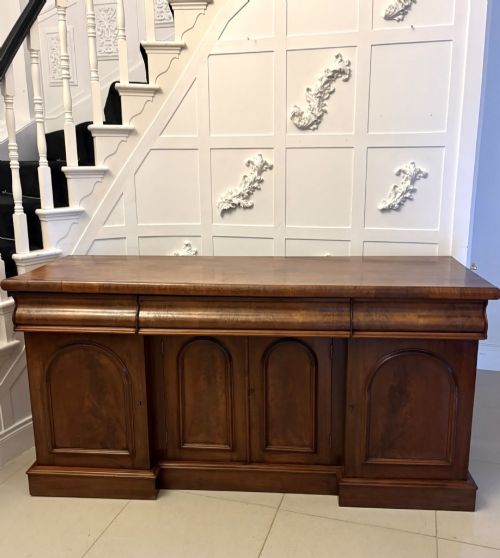
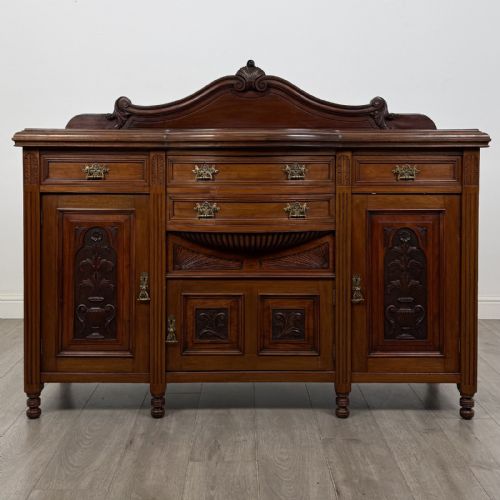
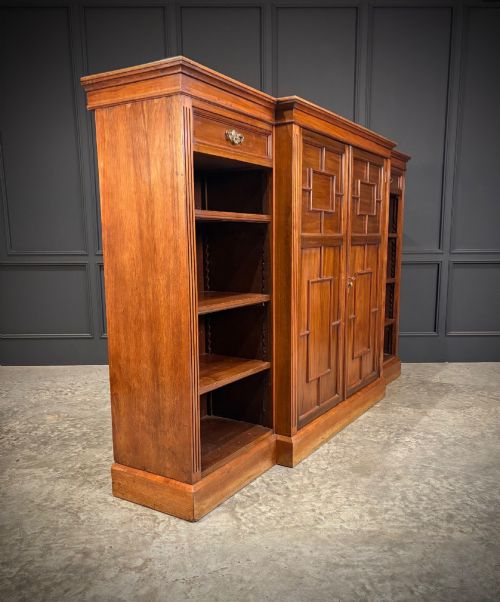
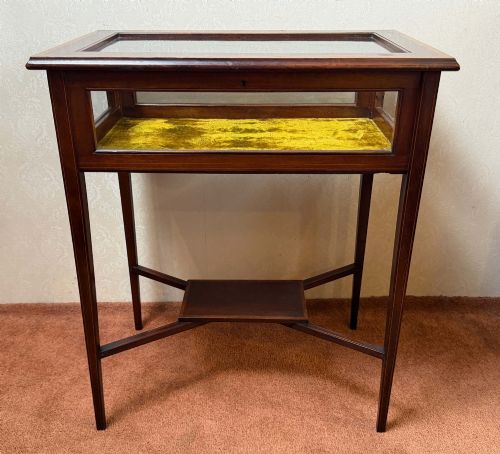
The buyer meets various timber species when searching for a victorian panelled cabinet, dominated by rich mahogany, sturdy oak, and versatile pine. Sideboards, chiffoniers, and display units join the standard cupboard forms, sometimes featuring carved pillar panels, dentil cornices, or glazed sections for exhibition.
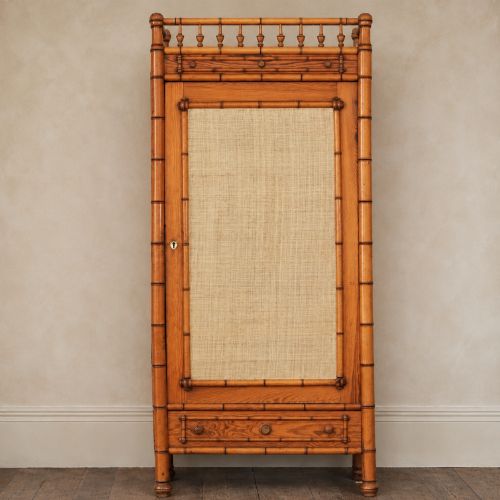
Regional and stylistic variations shape the surviving stock of a victorian panelled cabinet, shifting from Gothic Revival and Aesthetic Movement expressions to simpler Victorian Country or Arts and Crafts designs. Smaller bedside pairs sit alongside monumental oak dressers and tall school cabinets, offering solutions for distinct domestic spaces.
How they were made
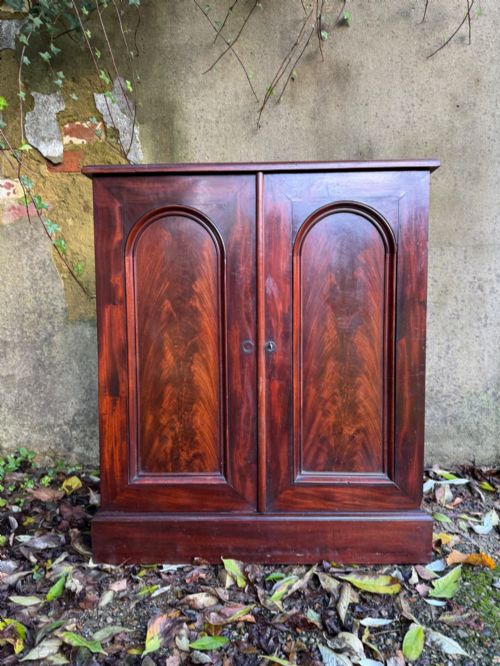
Cabinet makers built a victorian panelled cabinet using solid hardwoods like oak and mahogany, often applying flame mahogany or burr walnut veneers to primary display surfaces. Pine served regularly for internal carcases, larder cupboards, and painted pieces intended for domestic utility.
Construction relied on traditional frame and panel joinery to accommodate seasonal timber movement, complemented by applied mouldings, carved pillar details, and turned bun feet. Hardware typically consisted of brass handles, while specific aesthetic or revival pieces incorporated contrasting timber tones and painted finishes.
Victorian Panelled Cabinet Retail Price Guide 2026
Typical asking prices for victorian panelled cabinet among the pieces listed under this phrase on Sellingantiques today, from the lower quarter to the upper quarter. They describe what is for sale here now, not the wider market.
A musician's cabinet stands ready to hold nineteenth-century sheet music rather than standard household linen.
What varies in quality
The grade of a victorian panelled cabinet rests on the selection of timber figures, where carefully matched flame mahogany veneer or richly figured burr walnut elevates the visual presence above plain utility pine. Superior execution shows in the crispness of carved pillar panels, dentil cornices, and structural mouldings.
Construction integrity distinguishes workshop output, separating straightforward functional pine school cupboards from master-carved Gothic Revival sideboards or signed Aesthetic Movement pieces. Original hardware, well-fitted doors, and retained internal shelving or secret drawers further elevate the standing of an individual piece.
Heals·Henry Ogden & Son
The Victorian Panelled Cabinet Glossary
- Chiffonier
- A low sideboard or cabinet with a raised back, popular for serving and storage during the nineteenth century. It frequently incorporates a combination of lower cupboards and a display shelf.
- Linen Press
- A tall double-door cupboard originally designed for storing household linens on internal sliding trays, often featuring a hanging wardrobe section below or above. These units utilise deep panelled doors for substantial storage capacity.
- Dentil Cornice
- An architectural moulding comprising a series of small, rectangular blocks spaced uniformly beneath the top edge of a cabinet. This detail adds linear definition to the upper section of bookcases and sideboards.
- Vernis Martin
- A type of simulated Japanese lacquer work developed in France and applied to decorative display cabinets and vitrines. It provides a glossy, multi-layered painted surface with distinct visual depth.
- Fielded Panel
- A central wood panel with bevelled or stepped edges designed to fit securely into a surrounding frame while allowing for natural wood expansion. This technique forms the distinct face of traditional cupboard doors.
Victorian Panelled Cabinet: Frequently Asked Questions
What is a victorian panelled cabinet used for?
These pieces serve primarily as functional storage units within domestic interiors, holding books, linens, and tableware behind closed wooden doors. Smaller versions operate effectively as bedside tables or lamp stands.
Larger sideboards and dresser bases offer surface display space alongside generous cupboard volume, suiting dining rooms and living areas alike.
How do you date a victorian panelled cabinet?
Dating relies on identifying timber choices, construction methods, and stylistic revival markers associated with specific decades of the nineteenth century. Oak and Gothic Revival elements frequently point towards the eighteen eighties, while mahogany side cabinets often align with eighteen sixty.
Makers' marks, brass hardware styles, and regional workshops also provide concrete chronological indicators when present on the piece.
How do you care for timber surfaces?
Maintenance involves applying quality beeswax to nourish polished oak, mahogany, and walnut without building up heavy chemical layers. Keeping timber away from direct heat sources prevents wood shrinkage and veneer lifting.
Painted pine variants require gentle cleaning with a soft, dry cloth to preserve original surface coatings and wax finishes.
What styles influence these cabinets?
Design vocabulary draws heavily from historical revivals, including Gothic Revival, Jacobean Revival, French Louis XV Revival, and Renaissance Revival. These movements reintroduced historic motifs like carved pillars and dentil cornices.
Later nineteenth-century production also embraces Aesthetic Movement principles and Arts and Crafts simplicity, shifting the decorative focus toward honest construction and refined materials.