
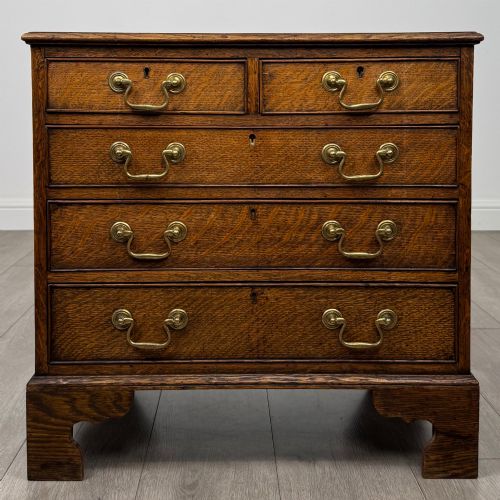
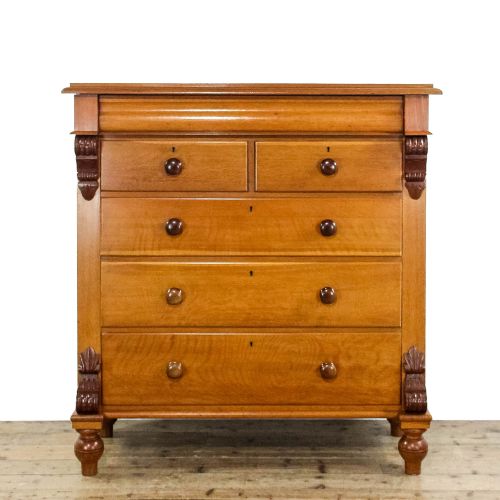
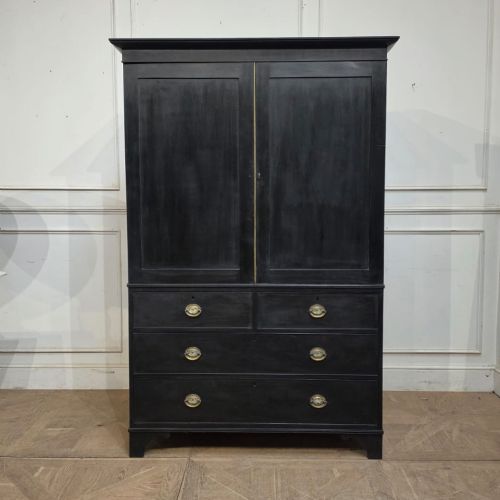
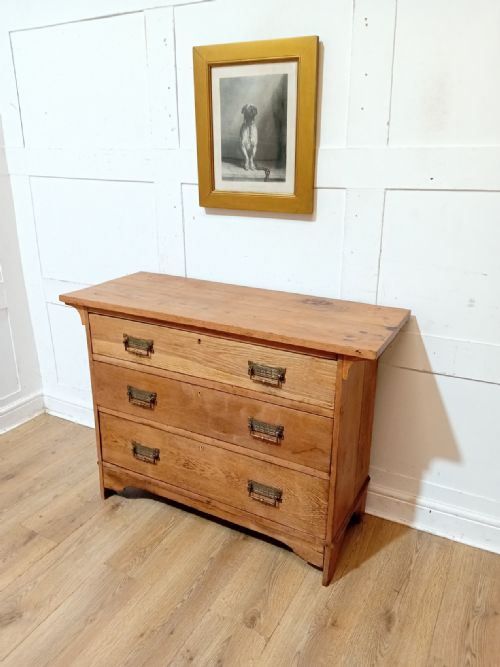
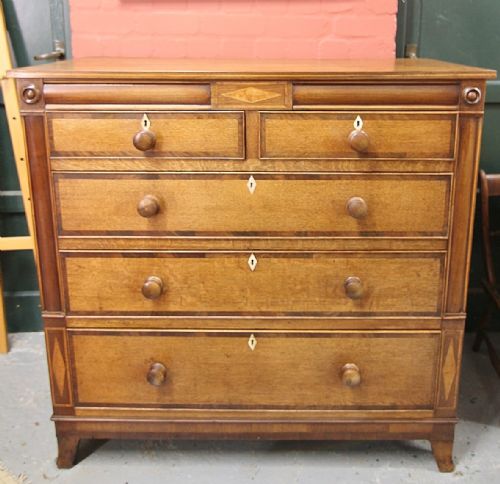
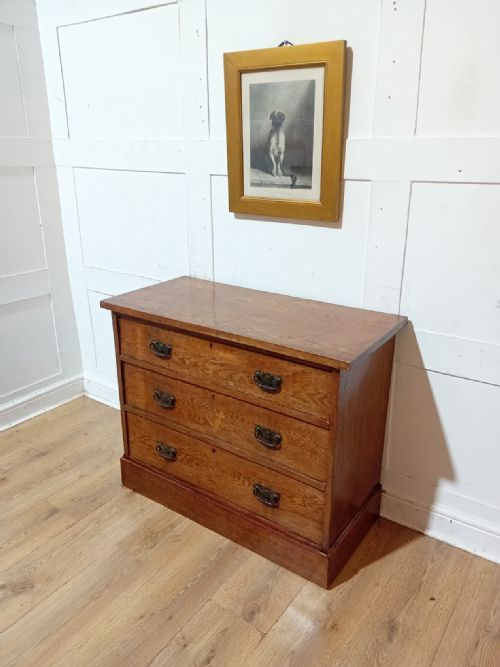
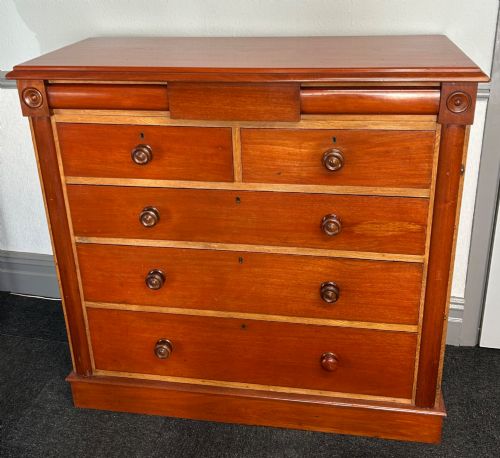


Victorian Oak Tallboy Drawers
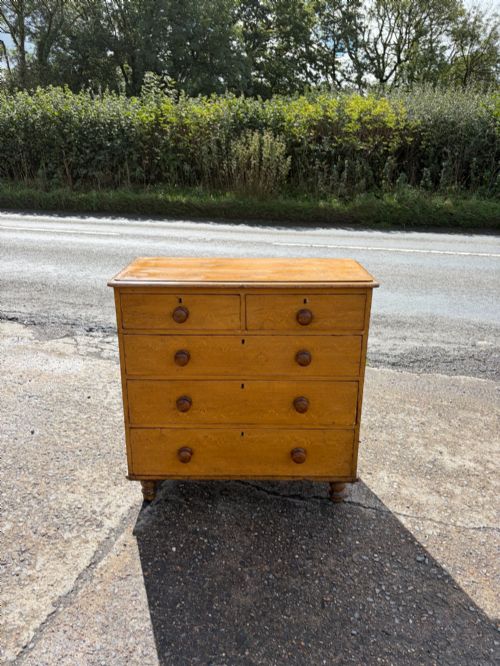
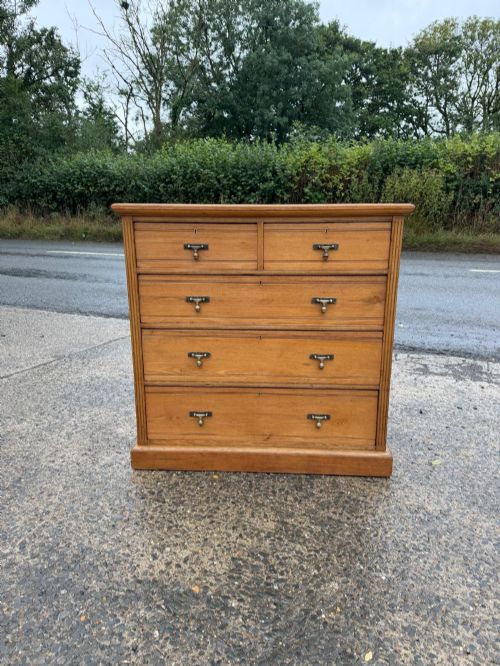
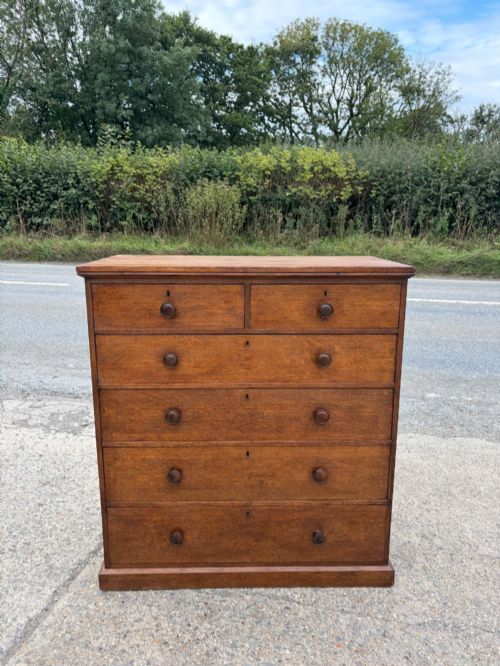
Victorian oak tallboy drawers are sturdy timber storage pieces built to hold linens and garments with enduring strength.
Victorian Oak Tallboy Drawers
Victorian oak tallboy drawers encompass vertical chests, linen presses, and Wellington chests designed for substantial bedroom storage. These pieces emerge in styles ranging from plain English country to Arts and Crafts and Gothic Revival.
The items found here stretch across the nineteenth century into the Edwardian era, featuring straight fronts alongside specialised forms like campaign and banker's chests. Oak serves as the primary timber, occasionally paired with pollard oak, mahogany, or ebonised finishes.
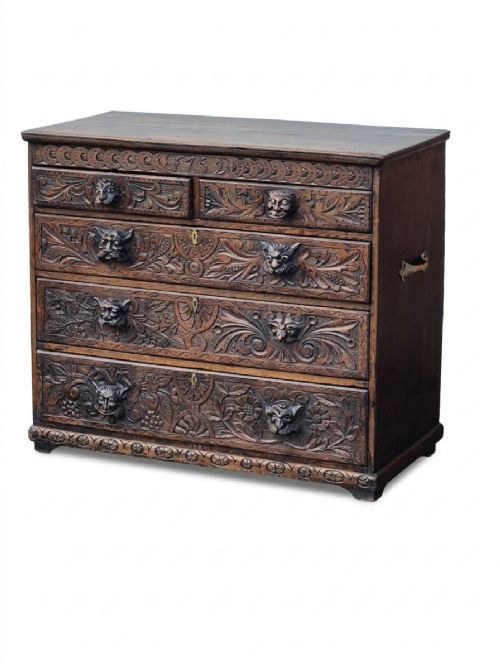
Makers and workshops produced varying configurations, from five-plus-two drawer setups to secret compartments and safe cabinets. Buyers encounter pieces that combine robust utility with distinct period ornamentation such as Green Man carvings.
How they were made
Cabinet makers utilised solid oak and specialised timbers like pollard oak, applying ebonised treatments or rich polishes to accent the grain. Construction relied on traditional joinery methods suited to tall vertical chest forms.
Metal hardware including brass drop handles, key escutcheons, and locking mechanisms added functional security to Wellington and campaign chests. Glass elements appeared alongside wood and metal components in select cabinet designs.
Listings feature oak alongside pollard oak and ebonised treatments, spanning periods from the early nineteenth century through the Edwardian era.
What varies in quality
Makers such as Maple & Co introduced branded refinement, while vernacular pieces relied on the skill of local English workshops. The integrity of the original brass hardware and the crispness of styles like Gothic Revival or Arts and Crafts shape the overall standard.
Maple & Co
The Victorian Oak Tallboy Drawers Glossary
- Tallboy
- A tall vertical chest of drawers, often combining a set of smaller drawers over larger ones. These pieces maximise bedroom storage capacity without taking up excessive floor space.
- Wellington chest
- A tall, narrow chest featuring a hinged locking flap that secures all the drawers at once. This distinct form typically locks with a key to protect the contents.
- Campaign chest
- Portable furniture built in sections with recessed brass handles for military transport. Such pieces split apart easily for movement across regions.
- Pollard oak
- Timber taken from the upper branches of pollarded trees, showing a dense and swirling grain pattern. Cabinet makers utilised this decorative wood for high-status drawer fronts.
- Linen press
- A tall cupboard enclosing sliding trays or drawers designed specifically for storing household textiles. These pieces often feature panelled doors enclosing the internal storage.
Victorian Oak Tallboy Drawers: Frequently Asked Questions
What is a Wellington chest?
A Wellington chest is a tall, narrow set of drawers secured by a hinged vertical locking stile on the right side. A single key locks the entire stack in place.
Cabinet makers designed these vertical pieces to hold shirts and small garments securely in nineteenth-century bedrooms.
How do I identify a tallboy?
A tallboy is recognised by its elevated vertical proportions, often stacking more drawers than a standard low chest. Many examples combine smaller upper compartments with deeper lower drawers.
These taller units provide substantial storage while maintaining a compact footprint on the floor.
What is pollard oak?
Pollard oak is a decorative timber harvested from trees that were cut back to promote dense, clustered branch growth. This process creates a heavily figured and mottled grain pattern.
Craftsmen used veneers of this timber to accent drawer fronts on high-quality nineteenth-century furniture.
Are campaign chests heavy?
Campaign chests are built in separate stacked sections with recessed brass carrying handles for ease of transport. The modular construction allows owners to split the heavy timber units apart for moving.
Officers in the military utilised these sturdy oak chests during nineteenth-century campaigns.