


Victorian Oak Plinth
These Victorian oak plinth examples offer solid timber display surfaces and architectural presence, built to elevate sculpture, lighting and objects in a room.
Victorian Oak Plinth
When you search for a victorian oak plinth, you find robust wooden stands and bases originating from the nineteenth century. These forms include pedestals, plant stands and architectural columns designed to support heavier decorative items.
The pieces appearing here range from plain functional timber blocks to carved spiral columns and rustic oak stands. Buyers often select them to anchor a corner of a room or to provide a stable elevated surface for art.
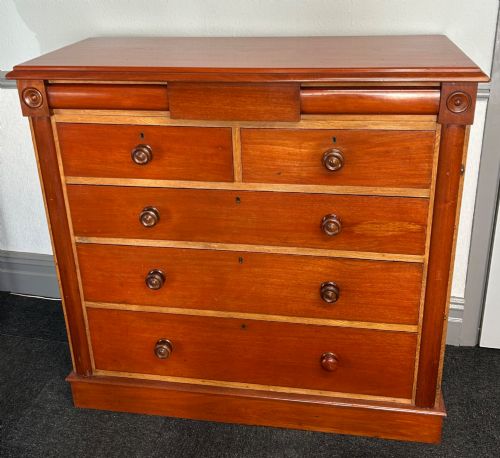
Many items share design vocabulary with bookcases, desks and chests of drawers from the same era, utilising plinth bases to ground tall furniture. Oak remains the primary timber connecting these diverse domestic and architectural forms.
How they were made
Makers constructed these sturdy supports predominantly from solid oak, sometimes combining brass mounts, leather accents or glass elements depending on the specific object type. Woodworkers shaped the timber using hand tools, lathe turning for spiral pillars, and traditional joinery methods.
Listings combine oak with brass, glass, mahogany and leather across forms including chests of drawers, desks, bookcases and pedestals.
What varies in quality
The depth of carving and the architectural ambition define the upper tier of these pieces, moving beyond simple utility into sculptural display. Strong joinery and the selection of dense, well-figured oak distinguish superior examples from simpler utilitarian stands.
Proportion and scale dictate the visual success of a column or pedestal, where balanced turning and substantial timber weight create genuine presence. The integrity of the original wood finish and the crispness of any turned detail separate refined pieces from later adaptations.
Deighton & Dunthorne
The Victorian Oak Plinth Glossary
- Plinth
- A heavy rectangular or cylindrical base supporting a column, statue or piece of furniture. It raises the object visually and physically from the floor.
- Pedestal
- A free-standing vertical support or pillar used to display items such as sculptures or plants. They appear in matching pairs across several nineteenth century listings.
- Gothic Revival
- An architectural and decorative style drawing inspiration from medieval forms, featuring pointed arches and heavy carved details. This aesthetic surfaces on nineteenth century stools and side tables.
- Spiral Pillar
- A column carved or turned in a twisting screw-like pattern, adding dynamic movement to architectural supports. Examples range from single decorative elements to grand column pairs.
Victorian Oak Plinth: Frequently Asked Questions
What is a victorian oak plinth used for?
These pieces serve primarily as elevated display platforms for heavy decorative objects, sculptures, urns or table lamps. They provide stability and draw the eye upward in interior spaces.
Beyond simple display, architectural elements like columns and pedestals add structural rhythm and period character to a room layout.
How do I care for antique oak?
Maintain the timber by dusting regularly with a dry cloth and avoiding direct sunlight or excessive heat sources that dry out old wood. Applying a traditional wax polish occasionally preserves the finish and nourishes the grain.
Keep humidity levels stable in the room to prevent the oak from splitting or warping over time.
Are these pieces sold in pairs?
Several listings feature matching pairs of architectural columns, pedestals or plant stands intended for symmetrical placement in a room. Single stands also appear frequently for standalone display.
Matched sets prove particularly useful for framing doorways, fireplaces or large artworks.
How do I date a nineteenth century oak stand?
Dating relies on examining construction marks, timber preparation methods, tool marks and stylistic cues associated with periods like the Victorian era or Gothic Revival. Secondary woods and fastener types provide further clues to the decade of manufacture.
Comparing the turned details or carving style to dated furniture helps narrow down the specific production period.