



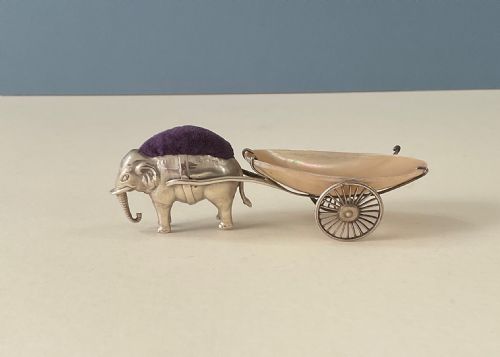


Victorian Novelty Item
A victorian novelty item brings wit and function together, offering collectors small silver animals, miniature furniture and clever desk pieces that delight the eye.
Victorian Novelty Item
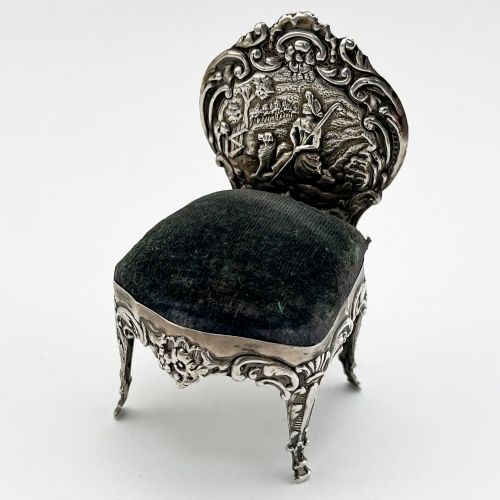
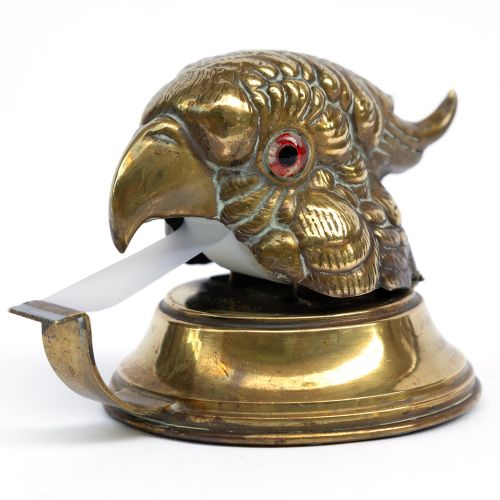
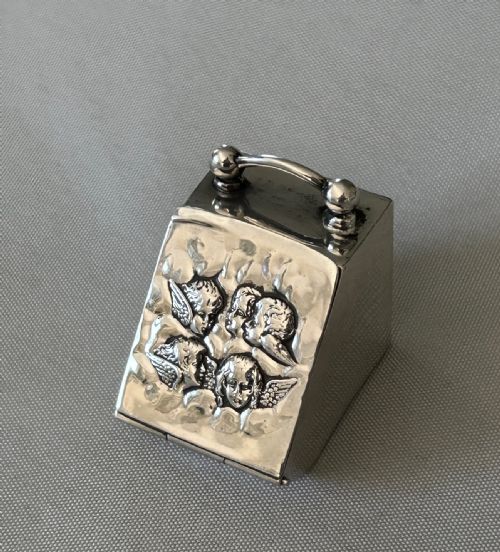
A victorian novelty item encompasses a range of small, functional objects shaped like animals, everyday articles and household tools. When searching for a victorian novelty item, buyers encounter miniature chairs, tea pots, animals and desk accessories.
The selections span the Victorian and Edwardian eras, alongside pieces from French 19th-century workshops. Forms range from vesta cases and pin cushions to tape dispensers, inkwells, bookmarks, button hooks and pen wipes.
Makers of the period transformed mundane desk and sewing items into playful conversation pieces. These portable treasures served practical daily uses while displaying inventive design.
How they were made
Makers utilised solid sterling silver, brass and stoneware to shape the bodies of these miniature objects. Working with metal involved stamping, casting and detailed chasing to render forms such as boars, chairs, coal scuttles and golf clubs.
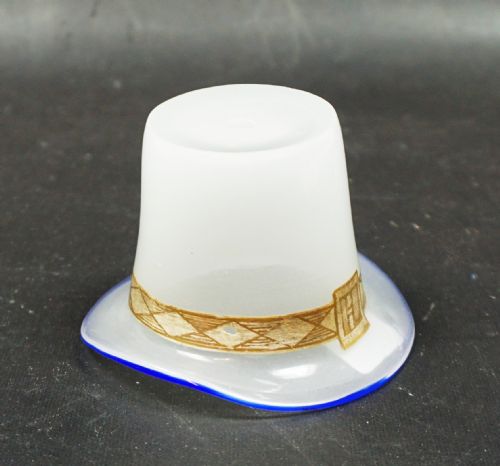
Textiles and glass appear alongside metal work, featuring plush velvet inserts for pin cushions and delicate opaline glass accented with gilt bands and coloured cane rims. Enamel work also adds colour and contrast to selected pieces.
Victorian Novelty Item Retail Price Guide 2026
Typical asking prices for victorian novelty item among the pieces listed under this phrase on Sellingantiques today, from the lower quarter to the upper quarter. They describe what is for sale here now, not the wider market.
Listings feature items from the Victorian and Edwardian eras, alongside mid-nineteenth-century French glassware and stoneware pieces.
What varies in quality
The integration of materials also dictates the standard, where intact velvet cushions, well-preserved gilt bands and legible hallmarks elevate the piece. The overall balance between whimsical form and practical utility defines the best examples.
The Victorian Novelty Item Glossary
- Vesta case
- A small pocket container designed to hold matches, typically fitted with a striking edge on the base. These cases often took playful animal or object shapes.
- Pin cushion
- A small padded accessory used for holding pins during sewing, frequently mounted within silver miniature frames such as chairs or teapots.
- Opaline glass
- An opaque or translucent glass developed in France during the nineteenth century, often tinted in white and finished with gilt decoration.
- Pen wipe
- A small desk accessory made from stacked fabric layers designed to clean excess ink from nibs between uses.
- Hallmark
- An official stamp applied to precious metals indicating the standard of purity, the assay office and the year of manufacture.
Victorian Novelty Item: Frequently Asked Questions
What is a novelty vesta case?
A novelty vesta case is a small match container shaped to resemble an animal, figure or unusual object rather than a standard rectangular box.
These pieces combined practical pocket utility with witty design, reflecting the Victorian taste for amusing metalwork.
How were silver pin cushions used?
Silver pin cushions held sewing pins securely on a dressing table or desk while adding a decorative sculptural element to the room.
The padded section sat within a solid silver frame shaped as everyday items or miniature animals.
What materials appear in these pieces?
These pieces primarily feature sterling silver, brass and stoneware, often combined with velvet inserts or glass.
French glassmakers also contributed opaline glass decorated with gilt bands and coloured cane rims.
How do I identify an Edwardian piece?
Edwardian items date from the reign of King Edward VII, spanning the opening years of the twentieth century.
They share the whimsical decorative approach of the preceding Victorian period while maintaining distinct hallmarks and stylistic traits.