




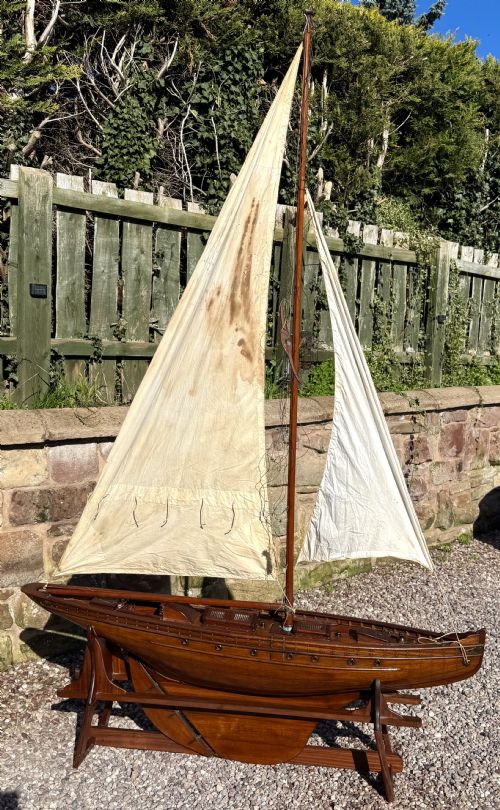


Victorian Nautical Decor
Victorian nautical decor encompasses maritime paintings, brass port holes, and model boats that bring nineteenth-century seafaring history directly into a room.
Victorian Nautical Decor
Victorian nautical decor encompasses a distinct range of nineteenth-century maritime artefacts, spanning from detailed oil paintings and watercolours to scratch-built pond yachts and architectural salvage. These items reflect a period deeply connected to global shipping, naval dominance, and coastal trade.
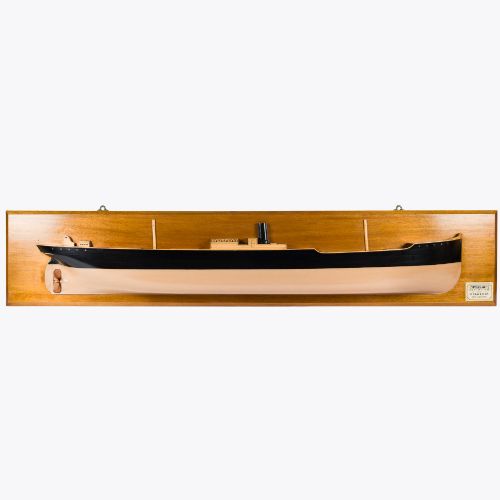
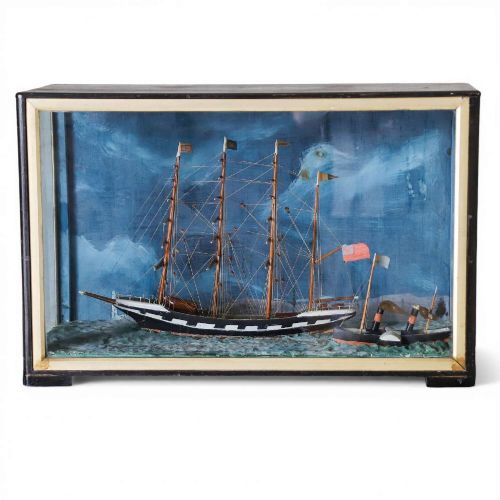
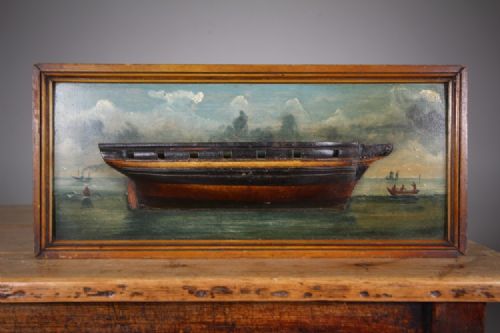
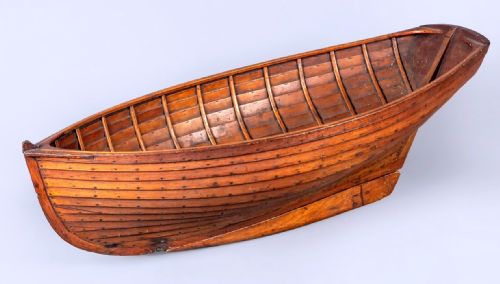
The most common forms on this page include model boats, half hull ship models, and maritime dioramas. These handmade pieces capture the craftsmanship of an era when maritime engineering was celebrated through miniature sculpture and folk art.
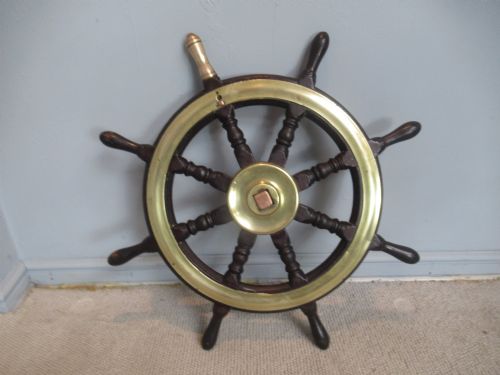
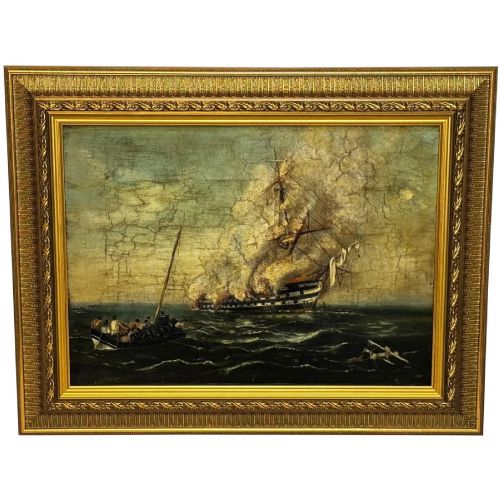
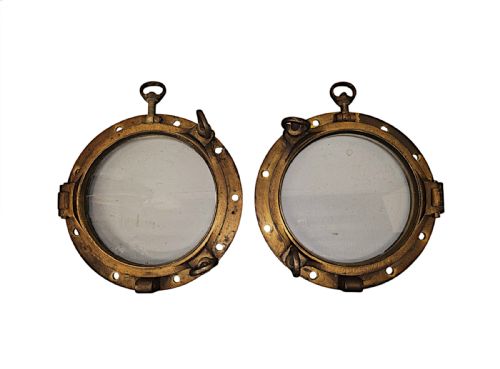
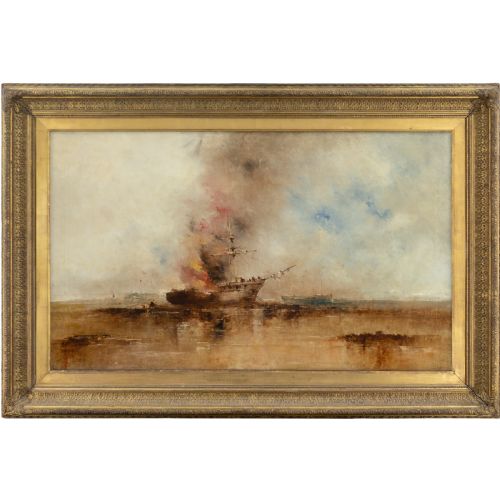
Objects originate from British workshops and coastal communities, featuring items such as oak-framed watercolours, brass port holes, and wooden ship's wheels. Each piece preserves functional marine elements adapted for domestic display.
Materials and construction
Makers utilised durable hardwoods such as teak, oak, and sycamore alongside structural brass and nickel plating to build functional items like ship's wheels, telescopes, and port holes. These resilient metals and timbers withstand maritime conditions while providing a heavy, substantial frame for decorative pieces.
Model builders and folk artists combined canvas, paper, paint, and carved wood to construct dioramas and pond yachts with intricate rigging and painted seascapes. Scratch-built vessels relied on precise scale measurements and hand-carved hulls to replicate actual nineteenth-century commercial and naval ships.
Victorian Nautical Decor Retail Price Guide 2026
Typical asking prices for victorian nautical decor among the pieces listed under this phrase on Sellingantiques today, from the lower quarter to the upper quarter. They describe what is for sale here now, not the wider market.
Carved flying fish from Pitcairn remind us that sailors spent long watches carving keepsakes from whatever crossed their path.
Judging quality and execution
Quality rests in the precision of the maker's hand, particularly visible in the fine rigging of a model yacht, the depth achieved in a maritime diorama, or the brushwork within an oil painting. Works attributed to documented artists or specific shipbuilders demonstrate greater fidelity to scale and proportion.
The integrity of surface finishes distinguishes ordinary examples from superior ones, such as untouched painted surfaces on folk art or original patinated brass on port holes and telescopes. Retaining original mounting bases, stands, or period frames indicates a higher degree of historical preservation.
William McAlpine·W Grey and Co·Liverpool Ship Building Co·Thomas Bush Hardy·Arthur Joseph Meadows
The Victorian Nautical Decor Glossary
- Diorama
- A three-dimensional scene enclosed in a box or frame, often depicting a ship at sea using painted backgrounds, carved wooden models, and layered canvas waves.
- Half hull model
- A scale model of one side of a ship's hull mounted on a board, historically used by shipbuilders to study vessel lines and proportions before construction.
- Port hole
- A circular window used on the hull or superstructure of a ship, typically constructed from heavy brass with hinged glass panels and securing dogs.
- Pond yacht
- A free-sailing model boat constructed for leisure use on park ponds during the nineteenth century, often featuring a carved wooden hull and adjustable cloth sails.
- Scratch-built
- Describes a model constructed entirely from raw materials and components by the maker rather than from a pre-packaged commercial kit.
Victorian Nautical Decor: Frequently Asked Questions
What is a diorama?
A maritime diorama combines a painted background with a dimensional model of a ship set against sculpted canvas or plaster waves. These enclosed scenes capture specific coastal moments and naval events.
Craftsmen built them to preserve the likeness of famous vessels and dramatic sea battles. They hung on walls or sat on tabletops in nineteenth-century homes.
How were ship's wheels used?
A ship's wheel connected through ropes or cables to the rudder, allowing the helmsman to steer large wooden and steel vessels. They required sturdy construction from teak or oak to withstand heavy ocean gales.
When retired from active sea service, many wheels found new life in coastal homes. Their substantial brass hubs and turned wooden spokes made striking architectural statements.
How do I identify a pond yacht?
Pond yachts feature carved wooden hulls, often made from pine or sycamore, equipped with cloth sails and intricate rigging. They were built for recreational sailing on inland ponds during the Victorian era.
Larger models measure several feet in length and frequently include custom wooden stands. Their construction mirrors the techniques used for full-scale commercial and luxury sailing vessels.
What is architectural salvage?
Architectural salvage refers to functional components removed from ships during refitting or dismantling, such as brass port holes and binnacles. These items served strictly utilitarian purposes aboard working vessels.
Repurposed for interior decoration, they bring authentic maritime history into domestic spaces. Their durable brass construction and patinated surfaces reflect decades of exposure to sea air.