

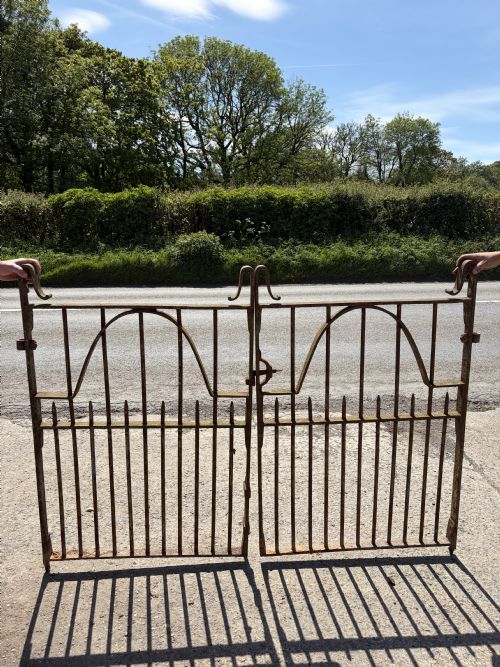

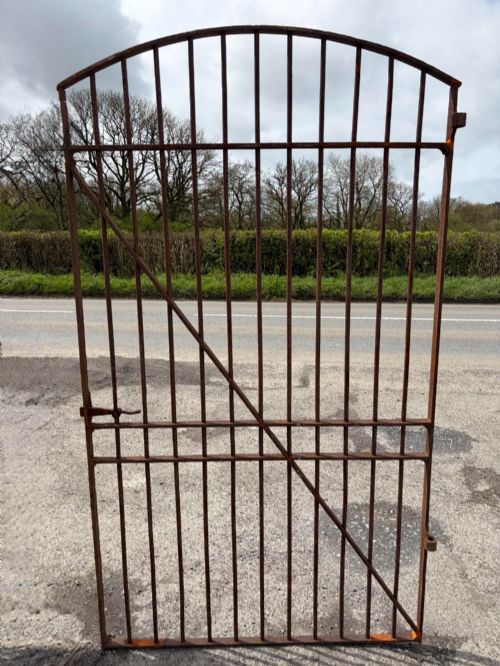
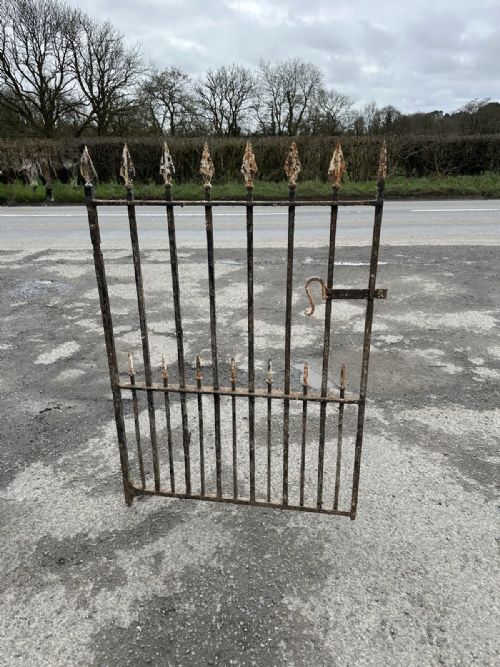


Victorian Metal Gate
These victorian metal gate examples bring heavy architectural salvage and garden security into domestic grounds.
Victorian Metal Gate
A victorian metal gate brings solid architectural salvage and garden security to domestic grounds. Buyers searching for a victorian metal gate generally encounter sturdy garden gates and estate entrances originating from the nineteenth century.
Most entries span periods such as the nineteenth century, the victorian era, and around nineteen hundred, alongside occasional pieces from the eighteenth century, nineteen twenty, and the edwardian period. The selection includes single garden gates, imposing estate gates, kissing gates, and paired configurations designed for carriage entrances.
While the core focus remains on heavy architectural salvage, related items occasionally surface, including wrought iron panels, photo frames, and brass fire guards with gate frontages. Styles range from utilitarian rustic farmhouse designs to distinct victorian country, edwardian, art nouveau, and victorian novelty aesthetics.
How they were made
Makers utilised durable metals such as wrought iron and cast iron, often combining both techniques within a single structure. Pine also appears occasionally as a structural element or surround in related pieces.
Techniques relied on heavy blacksmithing and foundry work to shape rigid frames and intricate strapwork. Riveted joints, trident details, and arched tops required precise metalworking skills suited to exterior endurance.
Victorian Metal Gate Retail Price Guide 2026
Typical asking prices for victorian metal gate among the pieces listed under this phrase on Sellingantiques today, from the lower quarter to the upper quarter. They describe what is for sale here now, not the wider market.
Listings span the eighteenth century, nineteenth century, victorian period, nineteen hundred, nineteen twenty, and edwardian era.
What varies in quality
The distinction between ordinary utility items and superior examples lies in the complexity of the ironwork and the integrity of the forged details. Elaborate strapwork, rivet work, and specific decorative elements like trident details elevate a piece above standard production.
Scale and proportion heavily influence the desirability of these structures. Large estate gates and matching pairs require more sophisticated engineering and substantial materials than standard garden gates or smaller salvage panels.
The Victorian Metal Gate Glossary
- Wrought iron
- A tough, malleable form of iron that can be heated and hammered into complex shapes. Blacksmiths favoured this material for exterior gates because it bends rather than snaps under stress.
- Cast iron
- Iron poured into a mould to create rigid components with decorative patterns. It provides crisp architectural details but requires careful handling to avoid brittle fractures.
- Strapwork
- Flat bands of metal applied to reinforce joints or create decorative surface patterns on heavy gates. This technique adds both structural strength and visual rhythm.
- Kissing gate
- A small swinging gate enclosed in a U-shaped or V-shaped boundary that allows one person through at a time. These restricted pedestrian openings were common in rural boundaries.
- Architectural salvage
- Building elements and decorative fixtures rescued from older structures for reuse. This field preserves historic metalwork for modern gardens and restorations.
Victorian Metal Gate: Frequently Asked Questions
Where were these gates originally placed?
These pieces served practical boundaries for country estates, gardens, and rural pathways.
Larger versions secured carriage drives while smaller pedestrian versions managed access between gardens.
How do I maintain exterior metal gates?
Regular inspection helps prevent rust accumulation on exposed iron surfaces.
Applying protective coatings suitable for exterior metal preserves the material over decades.
Can these gates be installed outdoors now?
Most of these historic pieces were built for exterior use and suit modern garden boundaries.
Proper mounting ensures the heavy metal frames hang true without sagging.
What defines nineteenth century ironwork?
Nineteenth century ironwork relies on hand-forged components and traditional riveting techniques.
Makers focused on robust construction designed to withstand decades of exterior exposure.