



Victorian Marble Lamp
When a buyer seeks a victorian marble lamp, they discover heavy stone bases paired with cast brass or ormolu mounts to hold light.
Victorian Marble Lamp
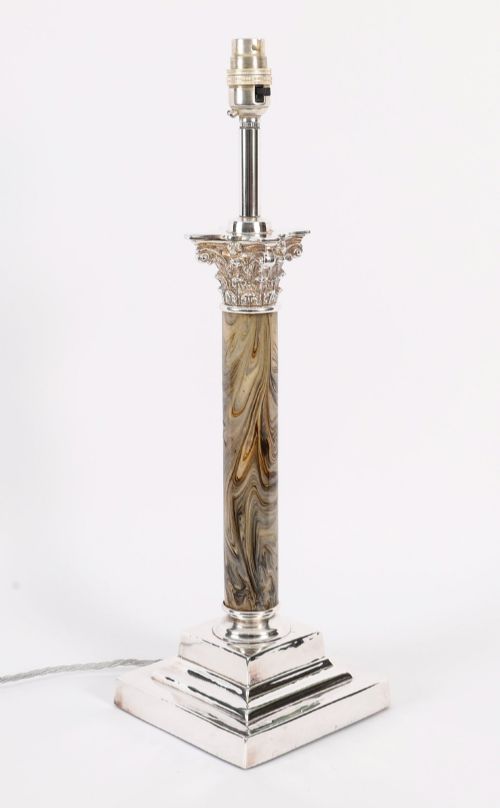
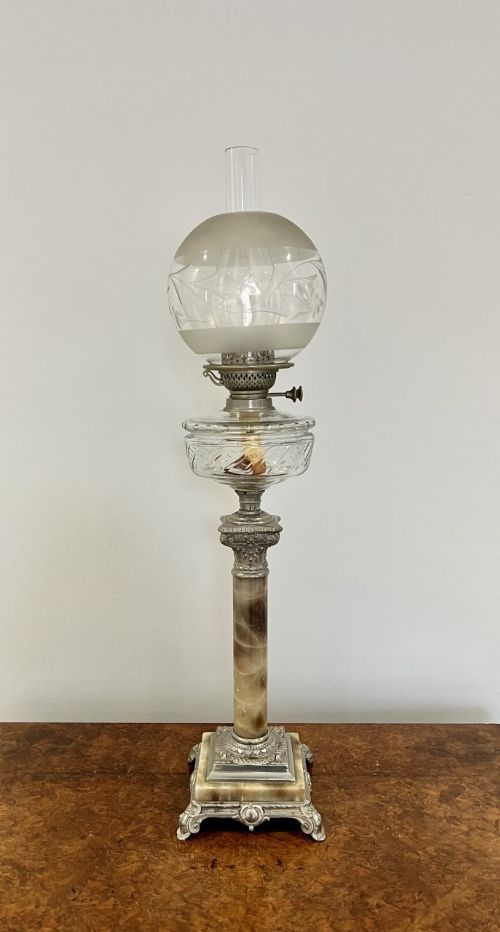
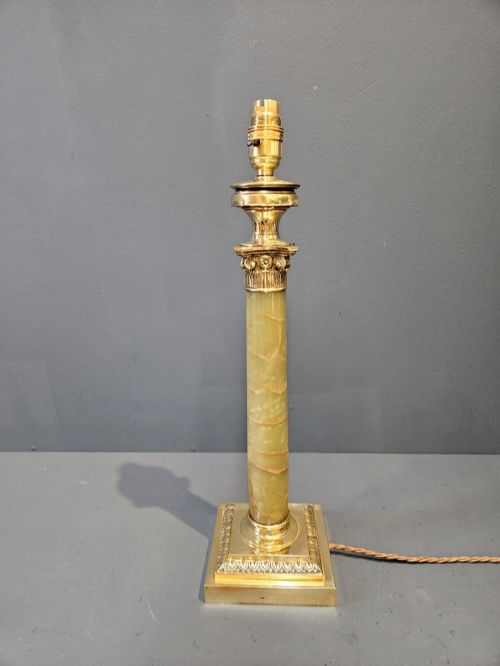
A victorian marble lamp combines solid stone columns or stepped plinths with metal fittings, often adapted from earlier oil burners or designed during the late nineteenth century. These lighting pieces display the heavy geological patterns of white, grey, or black stone beneath patinated metal collars and Corinthian capitals.
The versions met most frequently on this page include column table lamps mounted on stepped bases, alongside heavier standard lamps and converted oil burners. Many pieces feature French or English casting work, pairing polished marble with gilded brass, bronze, or ormolu details.
How they were made
Makers constructed these pieces by turning solid marble into shafts and columns, threading a central metal rod through the core to secure the heavy stone sections together. Brass, ormolu, and bronze mounts were cast, chased, and fitted to the top and bottom of the stone to receive the burner or electrical fittings.
Metals like brass and bronze received varying treatments including cold painting, silver plating, or fire gilding, while the stone itself was polished to a high gloss or left with a matte finish. Structural stability relied on tight internal bolting to support the substantial weight of the stone bases.
Some nineteenth-century lamps feature cast cherubs clinging stubbornly to heavy stone columns, determined to hold up the evening light.
What varies in quality
The distinction between ordinary and superior examples rests on the crispness of the metal casting and the complexity of the stone work. Finely chiselled ormolu mounts and uniform specimen marble selections indicate high workshop standards, whereas basic brass collars and plain white marble represent simpler production.
Proportion and weight distribution also separate the range, as better examples balance heavy stone columns with substantial cast bases that prevent tipping. The integration of decorative figures, such as cherubs or classical capitals, dictates the ambition of the original design.
James Shoolbred
The Victorian Marble Lamp Glossary
- Ormolu
- Gilded bronze, where a layer of gold amalgam is applied to a bronze base and heated to drive off the mercury. This technique creates a rich, matte golden surface seen on high-end nineteenth-century mounts.
- Corinthian column
- A classical architectural order featuring an ornate capital decorated with acanthus leaves. Many nineteenth-century table lamps adopt this form for their brass upper sections.
- Specimen marble
- A decorative arrangement of various coloured marbles set into a tabletop or lamp base to display geological variety. These pieces often feature geometric or radial patterns.
- Cold painted bronze
- A process where bronze figures are painted with oil or enamel paints rather than fired in a kiln. This finish is frequently found on figural lamp bases from the period.
Victorian Marble Lamp: Frequently Asked Questions
Are these lamps safe for modern use?
Most of these pieces require rewiring to meet contemporary electrical standards, and many have been converted from earlier oil or gas configurations over time.
Buyers should consult a professional electrician to ensure the internal wiring and safety testing are suitable for domestic placement.
How do I clean the marble base?
Cleaning requires only a soft, dry cloth or a damp sponge with mild soap, avoiding harsh chemicals that can etch the polished stone surface.
Because nineteenth-century marble is porous, standing water or acidic liquids must be wiped away promptly to prevent permanent staining.
What shades suit these bases?
Traditional fabric or glass shades, such as opaque or cranberry glass variants, match the historical character of nineteenth-century lighting.
Selecting a shade proportional to the heavy stone base ensures the lamp remains visually balanced and stable on a side table.
How can I tell the period?
Dating relies on examining the casting techniques of the brass mounts, the turn of the marble column, and any registration marks or maker attributions.
Victorian and Edwardian examples typically display heavier metalwork and denser stone formations than later twentieth-century reproductions.