

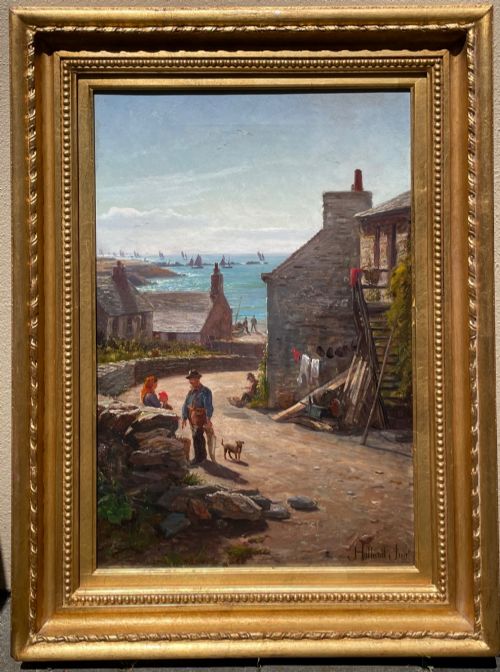


Victorian Man Painting
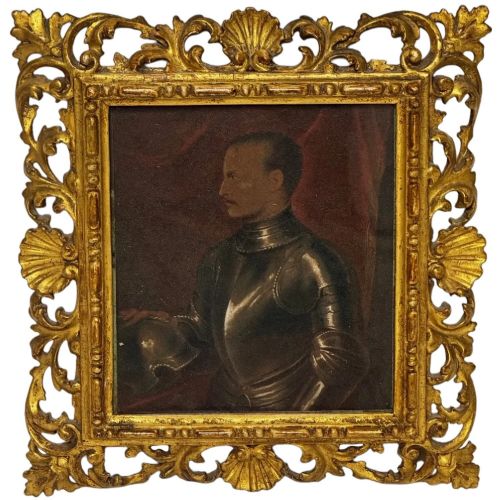
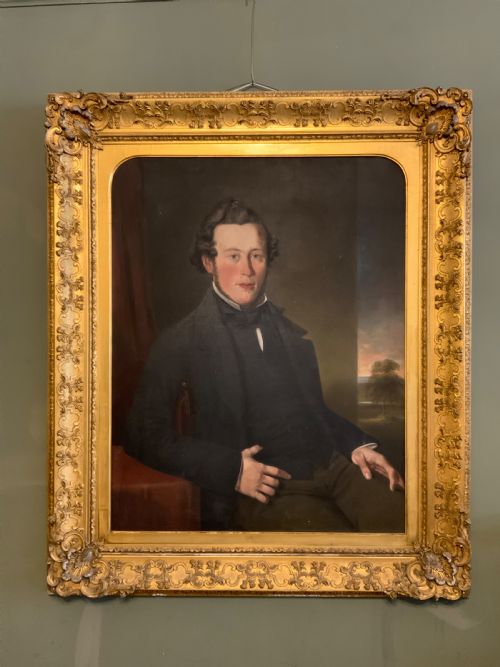
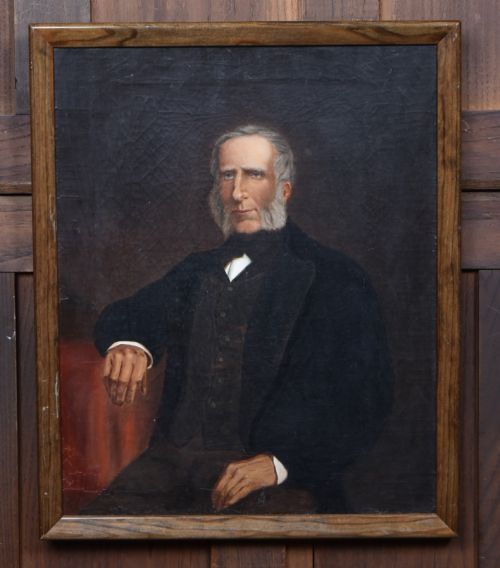
When you examine a Victorian man painting, you encounter nineteenth-century portraiture and narrative works capturing sitters ranging from engineers and soldiers to fishermen and gentlemen.
Victorian Man Painting
A Victorian man painting typically presents a portrait of a male sitter, executed during the nineteenth century in various mediums such as oil on canvas, oil on panel, and watercolour. These artworks range from formal academic commissions of civil engineers, military commanders, and professionals to intimate genre scenes and naive depictions of ordinary labourers, fishermen, and travellers.
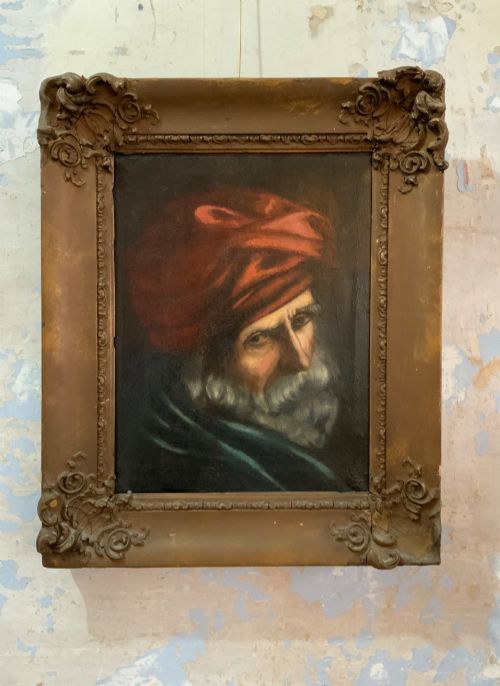
The selections available span from early Victorian depictions to late nineteenth-century examples, encompassing regional British school pieces, Isle of Man coastal views featuring local figures, and Orientalist studies of Arabic and Persian gentlemen. Buyers will also encounter historical genre paintings, narrative interiors, and primitive folk art portraits that record the dress, occupations, and social standing of the era.
How they were made
Artists of the period applied oil paint or watercolour onto prepared canvas, wood panel, paper, or card, utilising traditional brushes to build up layers of pigment, tone, and fine detail. Many works retain their original protective glass and decorative surrounds, including gilt gesso frames, ornate wooden mouldings, and birdseye maple borders.
Support structures varied according to the scale and ambition of the piece, with substantial historical and social canvases stretched over wooden frames, while smaller portrait studies and watercolours utilised sturdy board or thick paper mounts.
Victorian Man Painting Retail Price Guide 2026
Typical asking prices for victorian man painting among the pieces listed under this phrase on Sellingantiques today, from the lower quarter to the upper quarter. They describe what is for sale here now, not the wider market.
Listings feature numerous portraits executed in oil on canvas, alongside delicate watercolours and wooden panel paintings from the nineteenth century.
What varies in quality
Materials and presentation further differentiate the pieces, with higher-tier examples featuring signed compositions by recognised artists, substantial contemporary giltwood frames, and well-documented provenance connecting the sitter to notable historical figures or professions.
Felix Stone Moscheles·John Holland·William Edward Webb·Frederick Goodall·Alfred Holst Tourrier·Thomas Rose Miles·William Robert Dickinson·John Arthur Lomax·Keeley Halswelle·John Hunter Thompson·Franz Hoepfner·Benjamin Cam Norton·Max Sinclair
The Victorian Man Painting Glossary
- Canvas
- A heavy woven fabric stretched across a wooden frame to serve as a sturdy support for oil paintings. It provides a textured surface that accepts multiple layers of pigment.
- Watercolour
- A painting method where fine pigments are suspended in a water-based solution and applied to paper or card. This medium allows for translucent washes and delicate tonal gradations.
- Giltwood
- Wood carved and coated with a thin layer of gold leaf or metallic powder to create an ornate, reflective frame finish. It was frequently utilised to enhance the status of formal nineteenth-century portraits.
- Genre painting
- An artwork depicting scenes from everyday life, ordinary people, and domestic interiors rather than grand historical or mythological events. These compositions often record contemporary labour and social habits.
- Orientalism
- An artistic style reflecting nineteenth-century European fascination with the Near and Middle East. Such works typically feature Arabic or Persian gentlemen, local architecture, and sunlit regional landscapes.
Victorian Man Painting: Frequently Asked Questions
What is a Victorian man painting?
A Victorian man painting is an original nineteenth-century artwork depicting a male subject, produced primarily in oil or watercolour during the Victorian era.
These pieces include formal professional portraits, narrative genre scenes, and regional studies of fishermen or travellers.
How can I tell the period?
Dating these artworks involves examining the sitter's clothing, facial hair styles, and the construction methods of the canvas or backing board.
Signatures, artist registry records, and original framing techniques also provide reliable indicators of nineteenth-century origin.
Where should I hang these paintings?
These portraits and genre works suit traditional studies, libraries, and living spaces where period aesthetics are emphasised.
Care should be taken to mount them away from direct sunlight and excessive humidity to protect the original canvas, paper, and gilt frames.
Are these works signed?
Many pieces feature artist signatures, monograms, or contemporary inscriptions on the reverse identifying the sitter, location, or date.
Unsigned works are often attributed to specific regional British schools based on technique, subject matter, and materials.