

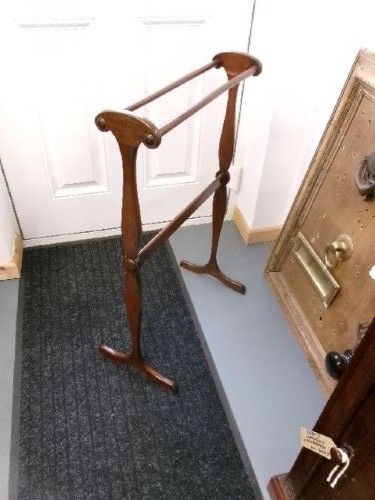


Victorian Mahogany Horse
These victorian mahogany horse items span practical towel rails and equestrian art, offering solid nineteenth-century craftsmanship for any interior.
Victorian Mahogany Horse
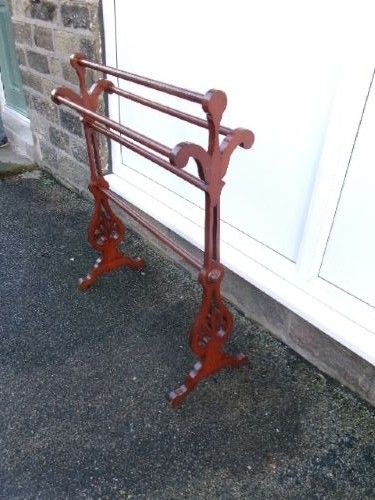
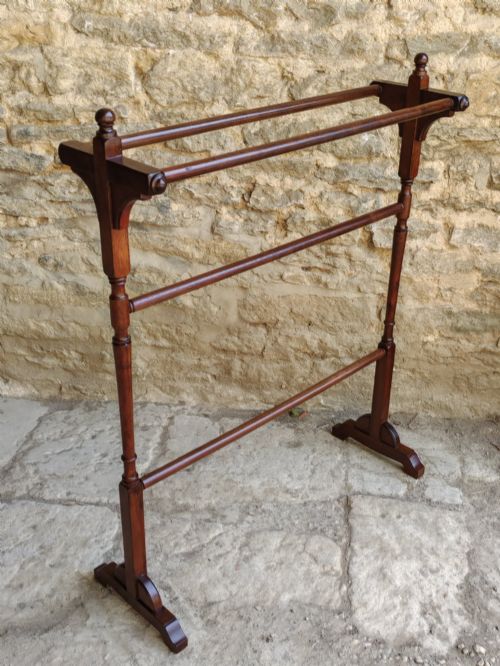
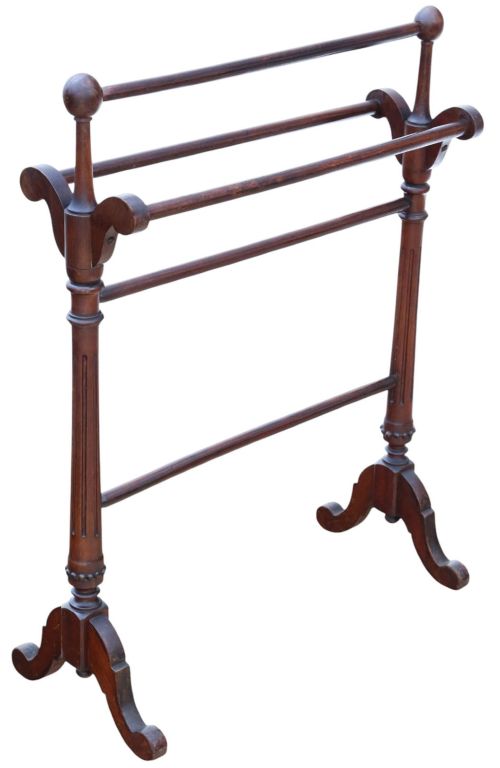
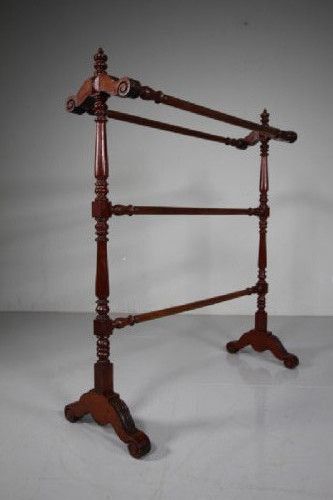
When you search for victorian mahogany horse, you encounter a practical mix of towel rails alongside equine textile art and portraits. The pieces range from standard standing towel rails to folding cheval designs and framed depictions of jockeys.
Most examples date through the nineteenth century, including specific periods like Regency, William IV, and Edwardian eras. Forms encompass three-fold towel rails, snuff boxes, and needlework panels depicting horses.
Origins point firmly to nineteenth-century English workshops where domestic utility met traditional animal artistry. Buyers are most likely to meet sturdy mahogany towel rails or framed horse artwork on this page.
What varies in quality
The refinement of the woodwork separates standard utility rails from finer domestic furniture. Superior examples display careful turning, balanced proportions, and well-preserved timber grain.
Artistic quality rests upon the preservation of needlework, watercolours, and portrait details. Frames and original glass contribute to the integrity of the textile and paper works.
Victorian Mahogany Horse Retail Price Guide 2026
Typical asking prices for victorian mahogany horse among the pieces listed under this phrase on Sellingantiques today, from the lower quarter to the upper quarter. They describe what is for sale here now, not the wider market.
The listings span the nineteenth century, featuring mahogany, carved wood, brass, wool, and canvas across various towel rails and artwork.
The Victorian Mahogany Horse Glossary
- Cheval rail
- A standing towel rail designed with a supportive frame that often allows folding sections. This form provides greater hanging capacity.
- Mahogany
- A durable dark hardwood favoured for nineteenth-century domestic furnishings. It takes a fine polish and resists warping.
- Snuff box
- A small container hinged for holding powdered tobacco. Carved examples occasionally incorporated animal motifs.
- Needlework
- Stitched textile art created using yarn or thread on canvas. Victorian examples frequently portrayed animals or rural scenes.
Victorian Mahogany Horse: Frequently Asked Questions
What is a cheval towel rail?
A cheval towel rail is a standing frame designed to hold multiple linens. These pieces often feature folding sections for flexible placement in a room.
They offer practical utility while displaying the rich grain of nineteenth-century timber.
How do I care for mahogany rails?
Maintain mahogany timber by keeping it away from direct heat sources and excessive moisture. Regular dusting preserves the polished finish.
Apply suitable wax occasionally to nourish the wood without building up heavy residues.
Are textile pieces framed?
Needlework and portraits from the nineteenth century generally appear beneath glass within wooden frames. This protective housing safeguards delicate wool and paper from environmental wear.
Display these artworks away from direct sunlight to prevent fading.
How are periods identified?
Periods are determined through construction methods, timber choice, and stylistic cues associated with Regency, William IV, or Victorian eras. Simple turning differs from later Edwardian production details.
Examining the fixings and overall form helps clarify the date of manufacture.