



Victorian Mahogany Glazed Box
These Victorian mahogany glazed box pieces are timber frames housing glass for visibility, prized by collectors who need to store and exhibit small treasures.
Victorian Mahogany Glazed Box
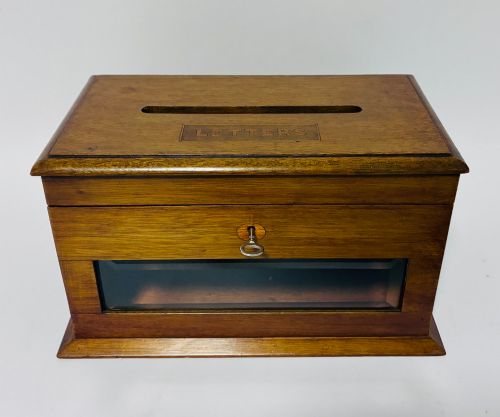
When you search for a victorian mahogany glazed box, you encounter a variety of display cabinets, bijouterie tables, specimen cases, and small storage units. These pieces range from compact letter boxes and barographs to larger collector cabinets and microscope slide cases.
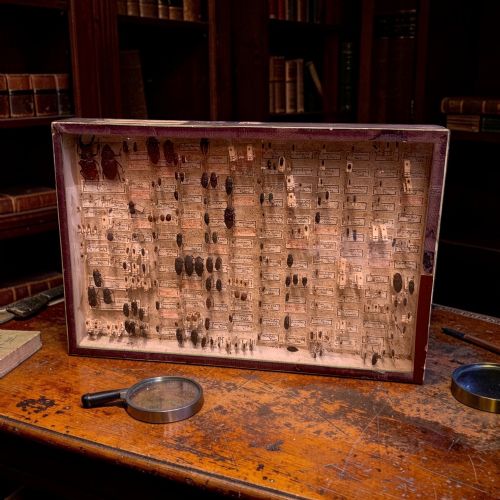
The objects on this page hail primarily from the Victorian era and the surrounding decades up to nineteen twenty. You will find items shaped by specific historical functions, including maritime folk art dioramas and natural history entomology cases.
Most examples utilise rich timber frames paired with clear glass viewing panels. They serve to protect delicate items while offering a clear view from the exterior.
Construction and materials
The primary timber used across these pieces is mahogany, valued for its grain and structural stability. This wood is frequently joined with brass hardware such as hinges, handles, and lock escutcheons.
Glass panels are fitted into the timber frames to create viewing windows for cabinets, display tables, and specimen cases. Additional internal materials include fabric linings, paper labels, and occasional painted elements for specialised scientific or decorative storage.
Victorian Mahogany Glazed Box Retail Price Guide 2026
Typical asking prices for victorian mahogany glazed box among the pieces listed under this phrase on Sellingantiques today, from the lower quarter to the upper quarter. They describe what is for sale here now, not the wider market.
Object forms range from scientific microscope slide cabinets and barographs to domestic letter boxes and maritime ship dioramas.
Assessing quality and craftsmanship
Quality in these pieces rests upon the precision of the timber joinery and the clarity of the fitted glass. Finer examples display tight joints, carefully planed mahogany surfaces, and well-fitted brass mounts that operate smoothly.
The interior execution also separates standard pieces from superior ones. Cabinets equipped with multiple fitted drawers, original fabric linings, or specialised internal divisions for specimens demonstrate higher craftsmanship.
The Victorian Mahogany Glazed Box Glossary
- Bijouterie table
- A glass-topped display table designed specifically for showing small valuables and trinkets. These pieces often feature hinged lids.
- Specimen cabinet
- A specialised storage unit containing multiple shallow drawers intended for natural history collections like insects or microscope slides.
- Barograph
- A recording meteorological instrument housed in a glazed timber case to show the paper drum and mechanical arms.
- Diorama
- A three-dimensional scene, commonly depicting ships in maritime folk art, enclosed behind glass for protection.
Victorian Mahogany Glazed Box: Frequently Asked Questions
What were specimen cabinets used for?
Specimen cabinets provided structured storage for natural history items, allowing scholars and collectors to organise delicate objects.
The shallow drawers protected items from dust while keeping them accessible for study.
How do I clean a mahogany display case?
Clean the exterior mahogany timber with a soft, dry cloth to remove dust without harming the polish. Avoid harsh chemical sprays that can degrade antique finishes.
Use standard glass cleaner applied to a cloth, rather than directly to the glass, to protect the surrounding wood frame.
Are bijouterie tables sturdy enough for daily use?
Bijouterie tables are built to support small decorative objects rather than heavy items. Their glass tops and slender legs require careful placement in low-traffic areas.
They function best as display surfaces in quiet rooms where accidental impacts are unlikely.
How can I tell a Victorian case from an Edwardian one?
Victorian pieces often feature heavier timber sections and darker mahogany tones reflecting nineteenth-century tastes. Edwardian items tend toward lighter construction and revival styles like Chippendale.
Examining the construction methods inside the drawers helps clarify the period of manufacture.