



Victorian Magnifying Lens
A Victorian magnifying lens is a practical desk accessory that brings nineteenth-century craftsmanship directly to your study.
Victorian Magnifying Lens
A Victorian magnifying lens serves as a functional optical instrument designed for reading fine print or inspecting small objects on a desk. These pieces originate from the nineteenth century and the early twentieth century, encompassing periods such as the Edwardian era and the year 1800.
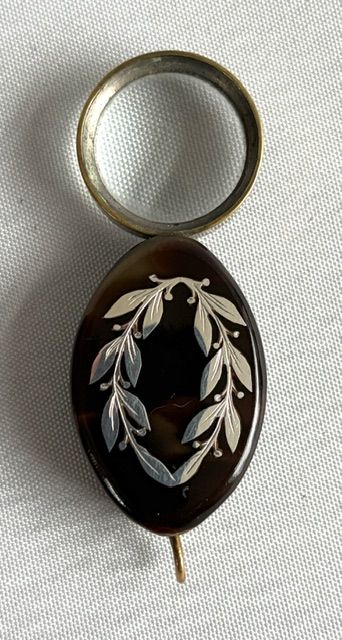
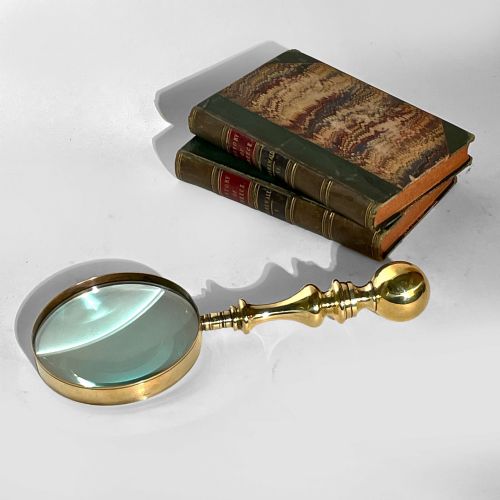
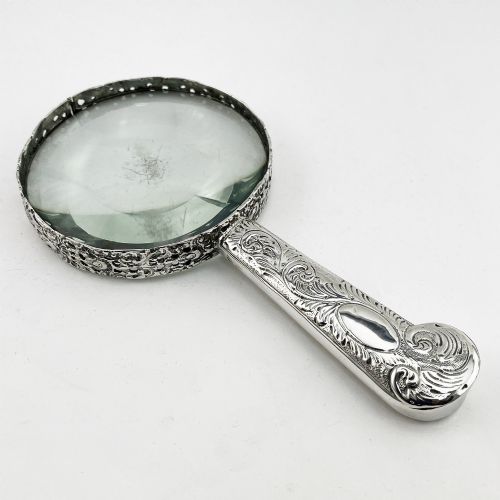
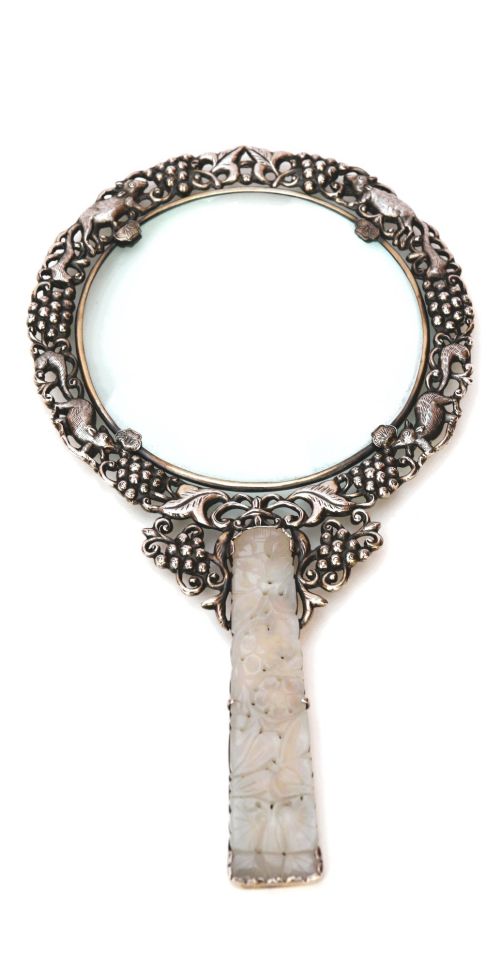
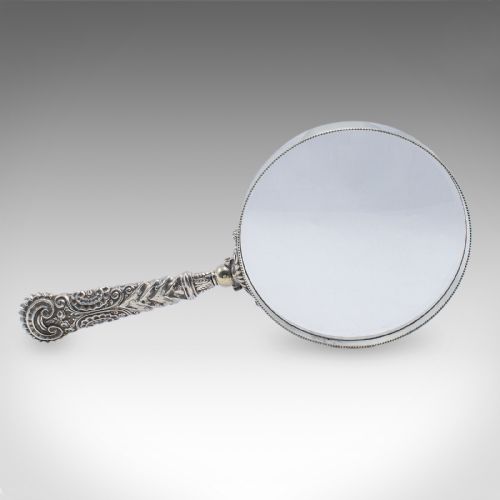
Origins span across English workshops and Chinese export production, incorporating styles like Victorian repousse alongside Qing Dynasty influences. Buyers frequently encounter brass mounts, silver plating, and tortoiseshell frames in these listings.
Materials and construction
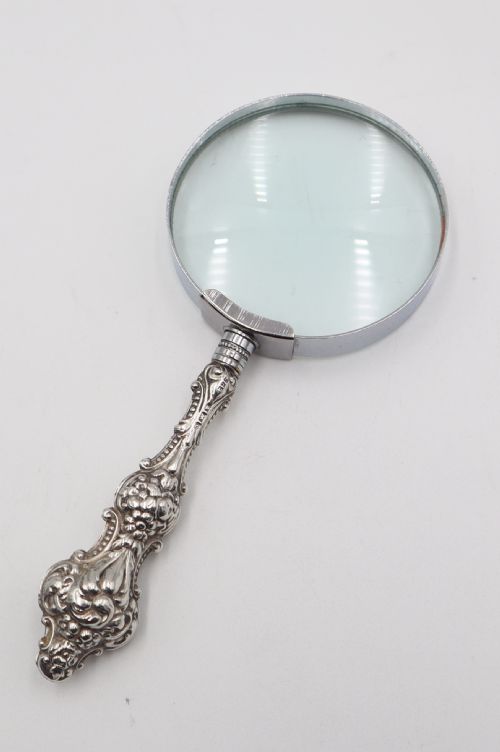
Optics are housed in frames constructed from brass, sterling silver, silver plate, and celluloid. Artisans combined glass lenses with precious metals and organic materials like tortoiseshell and jade.
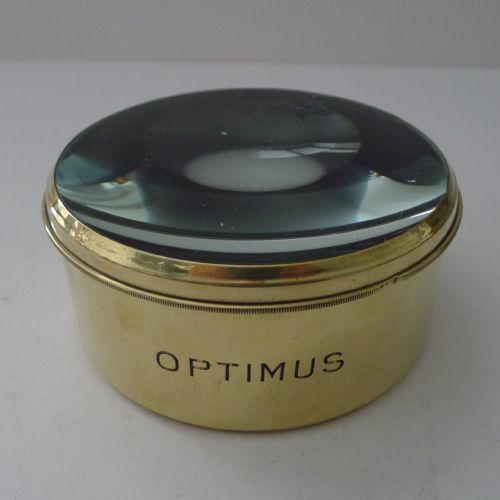
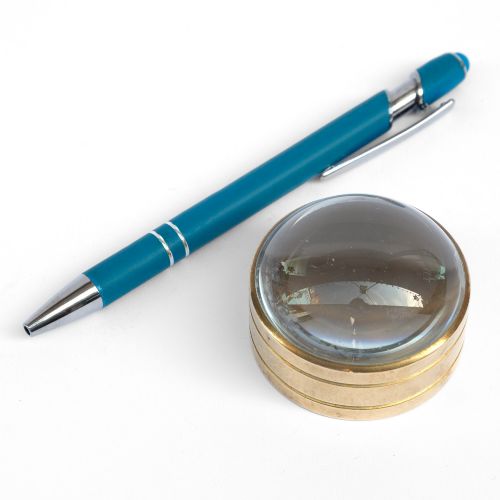
Makers utilised specialised mounting techniques to secure the glass within durable metal or shell surrounds. Desk-top versions often feature bulbous brass bases or integrated cases for protection.
Victorian Magnifying Lens Retail Price Guide 2026
Typical asking prices for victorian magnifying lens among the pieces listed under this phrase on Sellingantiques today, from the lower quarter to the upper quarter. They describe what is for sale here now, not the wider market.
Recorded periods span from 1800 through the Victorian era and Edwardian times up to 1920.
Quality differences
The standard of materials dictates the distinction between ordinary pieces and finer examples. Sterling silver and inlaid tortoiseshell represent higher craftsmanship compared to basic metal frames or silver plate.
The presence of documented makers and specialised lenses alters the character of an optical instrument. Maker signatures, such as those from London opticians, separate standard utility pieces from notable library aids.
The Victorian Magnifying Lens Glossary
- Loupe
- A small magnifying glass used to inspect details closely. These handheld optical aids were popular for reading small print.
- Stanhope lens
- A type of microscopic lens that reveals a tiny photograph when held to the eye. It combines optics with miniature imagery.
- Pique
- A method of decorating tortoiseshell with tiny gold or silver pins. This delicate technique creates intricate patterns on small objects.
- Repousse
- Metalwork hammered into relief from the reverse side. This decorative style adds texture and pattern to silver mounts.
Victorian Magnifying Lens: Frequently Asked Questions
How do I use a Victorian magnifying lens today?
These pieces function effectively as reading aids or desk accessories for daily tasks. Place them on a desk or hold them to inspect fine print.
Their sturdy construction ensures they remain practical tools while adding period character to a modern workspace.
What materials were used for these magnifiers?
Craftsmen constructed frames using brass, sterling silver, and silver plate. Organic elements like tortoiseshell, jade, and celluloid also appear.
The lenses themselves consist of clear glass designed for optical clarity.
How can I tell the age of a lens?
Dating relies on material combinations, hallmarking on silver components, and manufacturing styles. Pieces span the nineteenth century into the Edwardian period.
Inscribed maker details or specific mounting techniques often indicate the exact decade of production.
Are these lenses suitable for daily reading?
The glass optics provide clear magnification suitable for reading books, maps, and documents. Their weight and balance make them comfortable for handheld use.
Desk-mounted versions remain stationary for hands-free viewing of specific texts.