



Victorian Lowboy
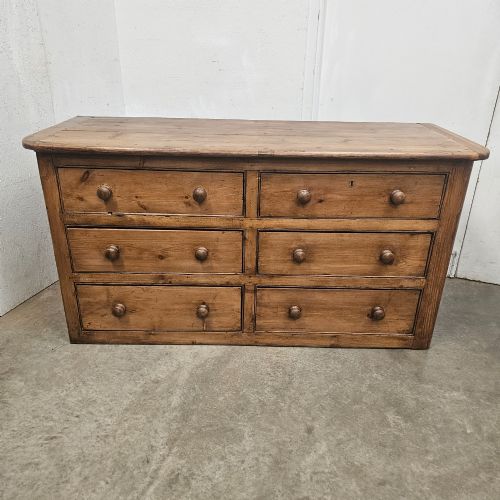
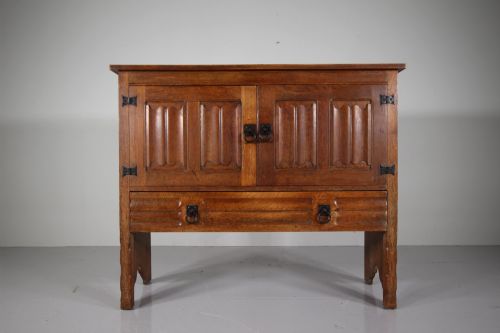
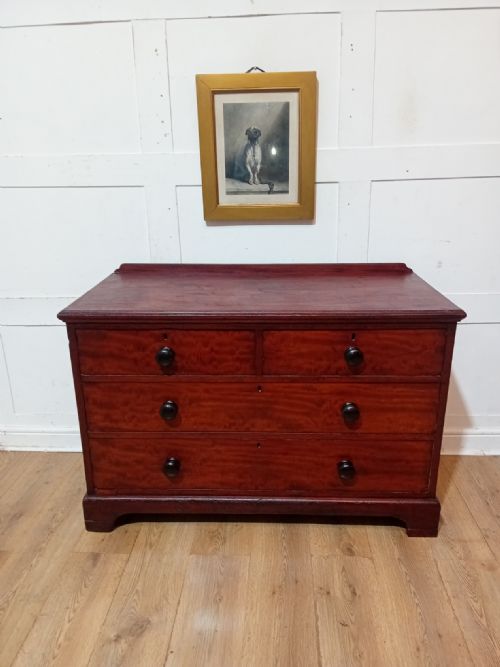
A victorian lowboy is a compact and useful table for a hall or bedroom, prized for its drawers and timber grain.
Victorian Lowboy
When you search for a victorian lowboy, you encounter small tables designed for domestic storage and dressing. These pieces often blur the lines between side tables, lowboys, and small dressing tables from the nineteenth century.
The versions most commonly met on this page date from the nineteenth century and use traditional timbers like mahogany, oak, and burr walnut. They frequently show influences from earlier periods, including Georgian style and Queen Anne style designs.
Makers and craftsmen of the era built these compact tables to fit neatly against walls in reception rooms and bedrooms. Their straightforward proportions make them adaptable items for contemporary interiors.
How they were made
Makers utilised solid hardwoods and decorative veneers, applying mahogany and burr walnut over structural carcases. Brass fittings and iron elements appear on handles and internal mechanisms.
Carpenters constructed these tables using traditional joinery methods suited to domestic furniture of the period. Surfaces often display polished wood finishes that highlight the natural grain of the timber.
Victorian Lowboy Retail Price Guide 2026
Typical asking prices for victorian lowboy among the pieces listed under this phrase on Sellingantiques today, from the lower quarter to the upper quarter. They describe what is for sale here now, not the wider market.
Shoolbred and Co kept such thorough records that their stamped pieces let us trace a Victorian lowboy straight back to Tottenham Court Road.
What varies in quality
The distinction between ordinary examples and finer pieces rests on the choice of timber and the crispness of the carving. Burr walnut and figured mahogany command attention through richer grain patterns.
Construction details such as dovetailed drawer linings and original brass hardware elevate certain pieces above standard utility items. The integration of revival styles also shapes the character of individual tables.
Shoolbred and Co
The Victorian Lowboy Glossary
- Lowboy
- A small table with one or more drawers, typically used as a dressing table or side table in domestic settings. These items offer convenient surface space without overwhelming a room.
- Burr walnut
- A highly figured timber veneer prized for its swirling grain patterns. It occurs at the knot or burl of the tree.
- Mahogany
- A durable tropical hardwood widely utilised for fine furniture during the nineteenth century. Its reddish-brown tone deepens with age.
- Dovetail
- A joint used in drawer construction where interlocking wedge-shaped fingers hold the wood securely together. This technique demonstrates traditional cabinet-making skill.
- Revival style
- A design approach that draws inspiration from historical periods like the Georgian or Queen Anne eras. Makers adopted these older forms to suit Victorian tastes.
Victorian Lowboy: Frequently Asked Questions
What is a victorian lowboy used for?
A victorian lowboy serves as a small side table or dressing surface equipped with drawers for storage. It fits well in hallways, bedrooms, or living spaces where floor space is limited.
Historically, people used these tables for personal grooming or keeping small household items close at hand.
How do I identify a victorian lowboy?
Look for compact proportions, turned or cabriole legs, and one or more drawers beneath the tabletop. Nineteenth-century examples often feature timbers like mahogany, oak, or burr walnut.
Construction methods such as hand-cut dovetails in the drawers help confirm the period of manufacture.
Where should I place a lowboy at home?
A lowboy works effectively as a hall table for keys and post, or as a dressing table in a bedroom. Its shallow depth allows it to sit against narrow walls without blocking pathways.
Pairing the table with a simple chair or a small mirror creates a traditional focal point in a room.
Are these tables sturdy enough for daily use?
Nineteenth-century tables were built from solid hardwoods designed to withstand everyday domestic demands. Regular care and polishing keep the wooden surfaces resilient.
Avoiding placement in direct sunlight or damp areas helps preserve the timber and veneer over time.