


Victorian Low Seat
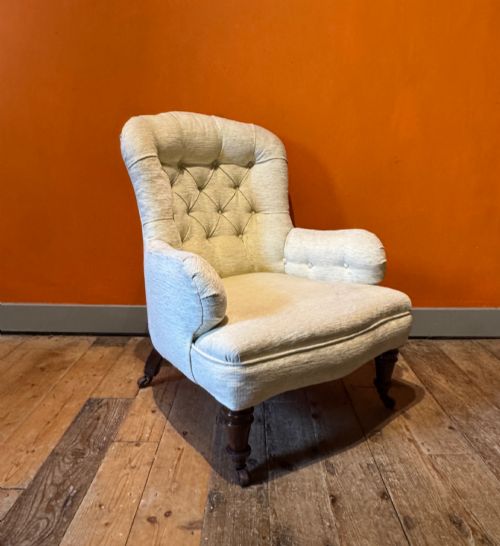
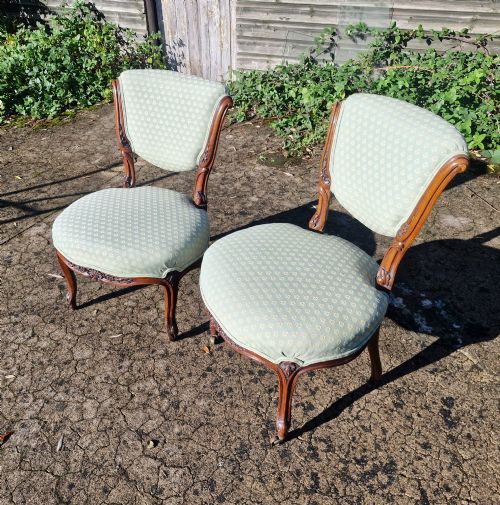
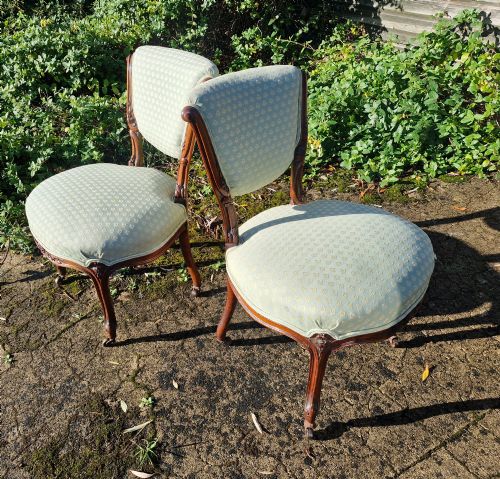
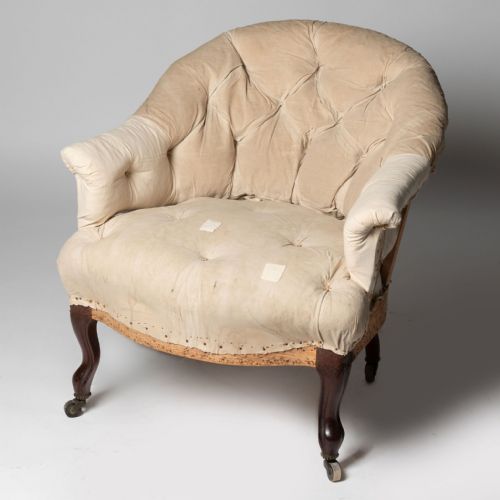
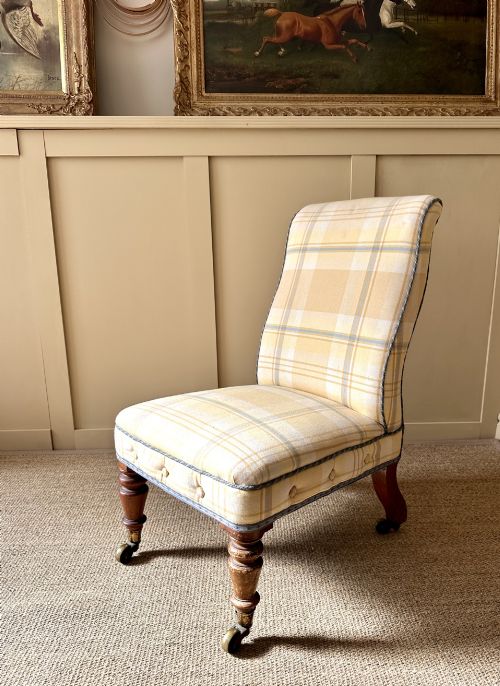
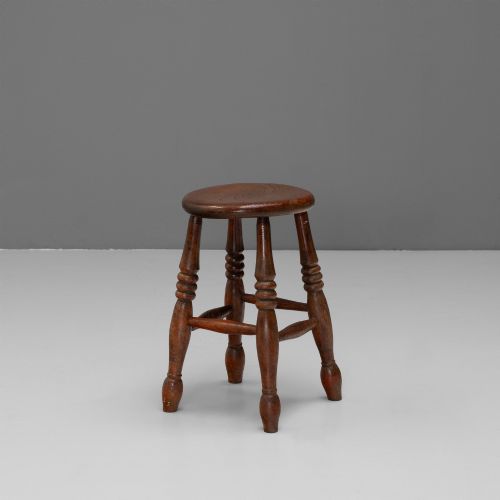
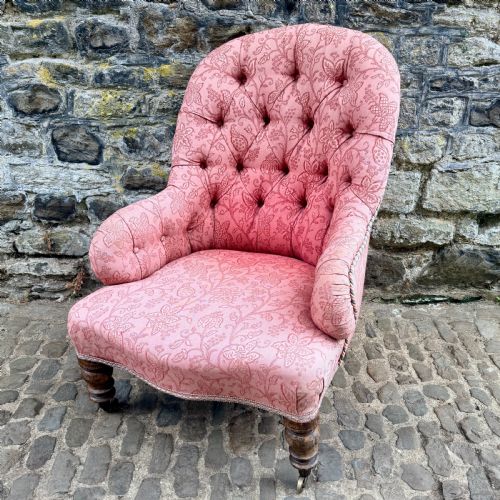
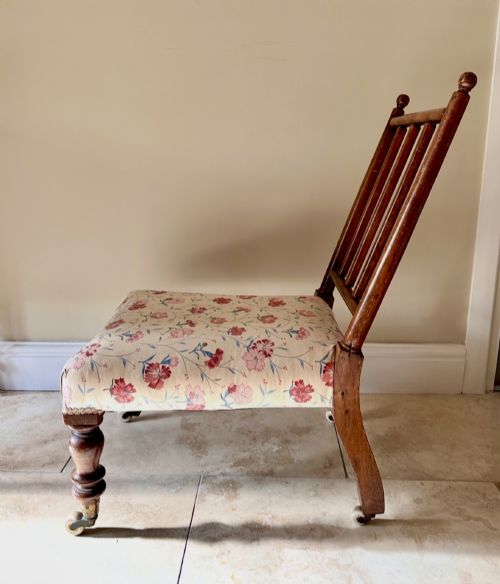
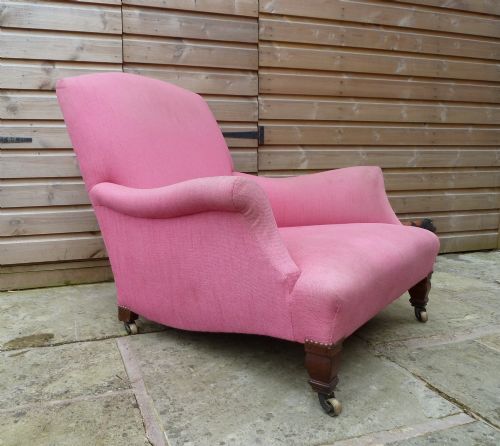
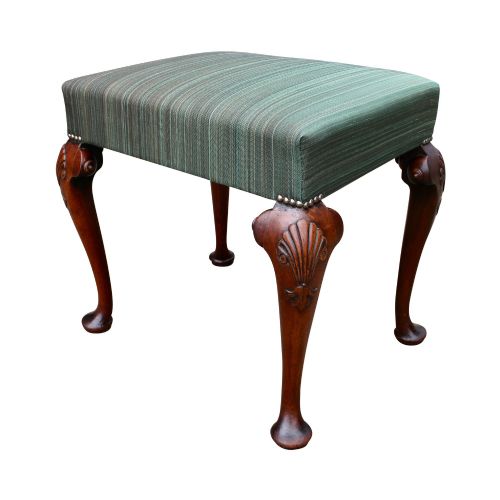
These victorian low seat pieces comprise nineteenth-century nursing chairs, slipper chairs, and low stools designed for intimate domestic rooms.
Victorian Low Seat
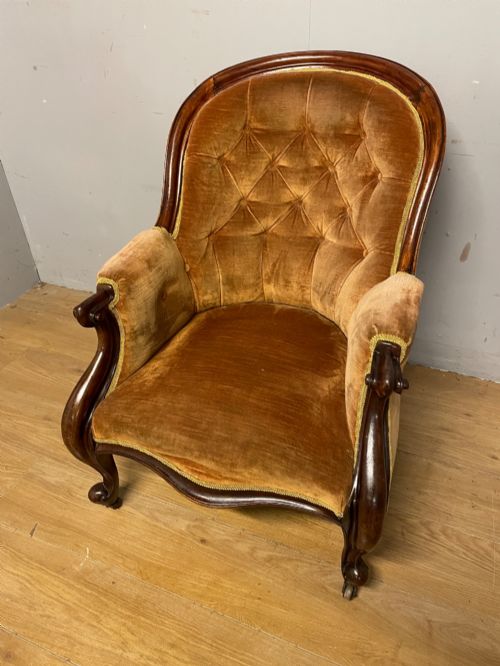
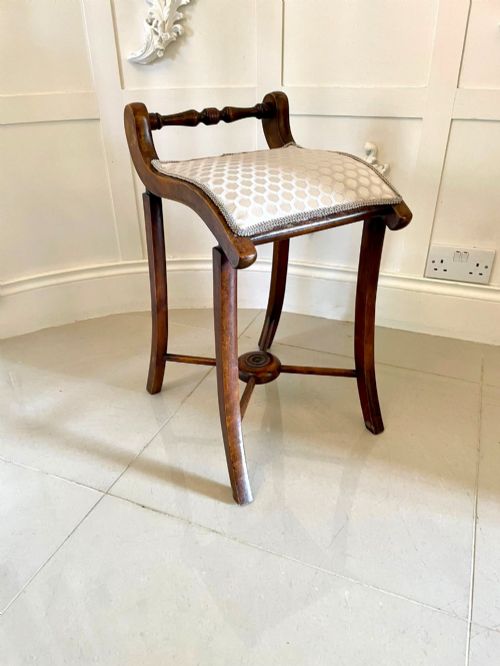
A victorian low seat groups together diverse nineteenth-century seating forms designed for low-to-the-ground comfort, predominantly manifesting as nursing chairs, slipper chairs, bedroom chairs, and dressing stools. You will frequently encounter walnut and mahogany framed examples dating from the 1850s through to the 1890s, often upholstered in velvet or fabric.
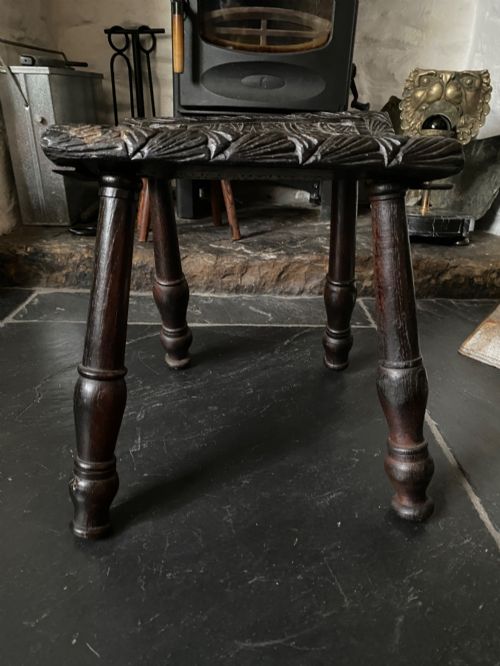
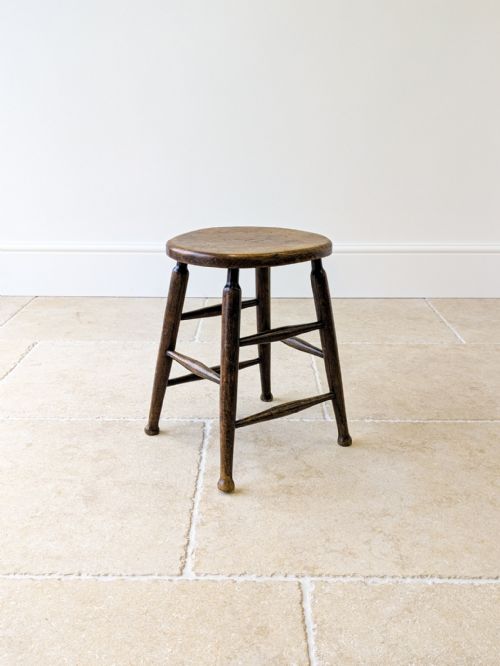
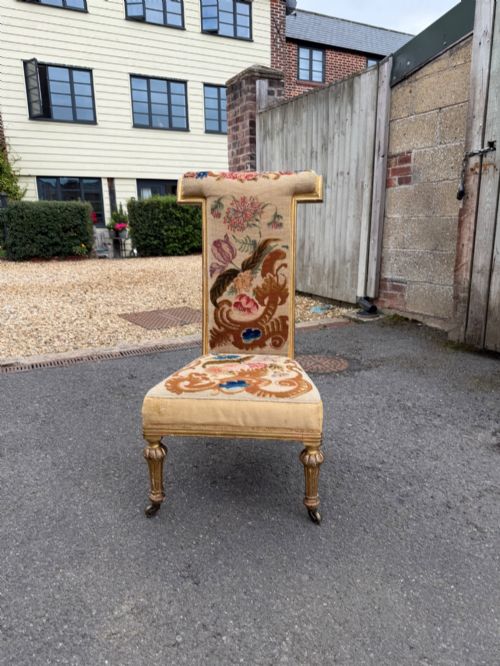
The functional variety spans from button-back armchairs and prie-dieu chairs to spindle-back slipper chairs and robust footstools. These pieces originated for specific domestic settings such as bedrooms, nurseries, and dressing rooms where compact, low-slung seating was required.
Stylistic influences range from classic Victorian and Aesthetic Movement to French mid-nineteenth-century, Scottish Baronial, and various revival styles including Queen Anne and Chippendale. The structural profiles emphasise low centres of gravity, deep padding, and turned or carved wooden supports.
Materials and Construction
Makers constructed the frames of these low seats primarily using hardwoods like mahogany, walnut, oak, and occasional rosewood or sycamore, supplemented by brass fittings and metal components. The exposed wood elements often feature detailed carving, ebonising, or gilt decoration, particularly on pieces from the Aesthetic Movement or Victorian period.
Upholstery forms a core component of the construction, utilising fabric, velvet, and needlework seats stretched over internal padding and button-backed foundations. Frames frequently employ traditional joinery techniques suited to supporting compact, low-slung forms while accommodating sprung or webbed seat bases.
Victorian Low Seat Retail Price Guide 2026
Typical asking prices for victorian low seat among the pieces listed under this phrase on Sellingantiques today, from the lower quarter to the upper quarter. They describe what is for sale here now, not the wider market.
Judging Quality
The calibre of a victorian low seat rests upon the integrity and retention of its original timber frame, the sophistication of its carved or turned details, and the historical appropriateness of its upholstery. Pieces featuring denser hardwoods such as walnut or mahogany with crisp cabinetwork distinguish themselves from simpler utility variants.
Proportion and stylistic cohesion separate superior examples from the ordinary, particularly where Aesthetic Movement or Scottish Baronial design elements are executed with genuine architectural intent rather than generic revival styling. The crispness of ebonising, gilt work, or spindle turning indicates the workshop standard at the time of manufacture.
Charles Hindley and Sons·Howard and Sons
The Victorian Low Seat Glossary
- Nursing chair
- A low-seated Victorian armchair designed originally to assist mothers with infant care or dressing. These pieces typically feature a compact frame and shortened legs.
- Slipper chair
- An upholstered bedroom chair characterised by its very low seat, originally intended for ladies putting on shoes or slippers. They generally lack arms to allow full freedom of movement.
- Prie-dieu
- A devotional chair featuring an upright back often topped with a shelf or rail for kneeling and prayer. Nineteenth-century versions frequently utilise low seats and rich upholstery.
- Aesthetic Movement
- A late nineteenth-century design style emphasising art for art's sake, often characterised by ebonised wood finishes and slender, refined structural lines. Pieces from this movement display distinct Japanese or classical motifs.
Victorian Low Seat: Frequently Asked Questions
What is a victorian low seat used for today?
These compact chairs and stools function well as accent seating in bedrooms, dressing rooms, and smaller living spaces where standard-height furniture overwhelms the room. Their low profiles make them practical additions beside dressing tables or low occasional tables.
They also serve as decorative statement pieces that introduce nineteenth-century character into contemporary interiors. Collectors often place them in corners or alongside fireplaces to create intimate seating arrangements.
Are these low chairs comfortable for daily use?
Most nineteenth-century examples provide surprisingly deep and supportive seating thanks to traditional sprung or stuffed upholstery foundations. However, the low height requires a different sitting posture compared to standard modern armchairs.
Original padding may vary in firmness across different pieces, and many buyers choose to have them professionally reupholstered to suit personal comfort preferences.
What is the difference between a slipper chair and a nursing chair?
Slipper chairs traditionally lack arms entirely and sit very low to the ground to allow ease when dressing or putting on footwear. Their streamlined silhouettes distinguish them from other bedroom seating.
Nursing chairs often include low arms or narrower winged backs designed for infant feeding, though the terms frequently overlap in nineteenth-century inventory records.