





Victorian Lounge Furniture
Victorian lounge furniture covers solid mahogany armchairs, walnut chaise longues, and upholstered suites built for nineteenth-century sitting rooms.
Victorian Lounge Furniture
Victorian lounge furniture encompasses a range of seating and resting forms intended for nineteenth-century domestic interiors, from daybeds to salon suites. Buyers seeking victorian lounge furniture will encounter pieces spanning armchairs, chaise longues, and multi-piece suites designed for comfort and reception.
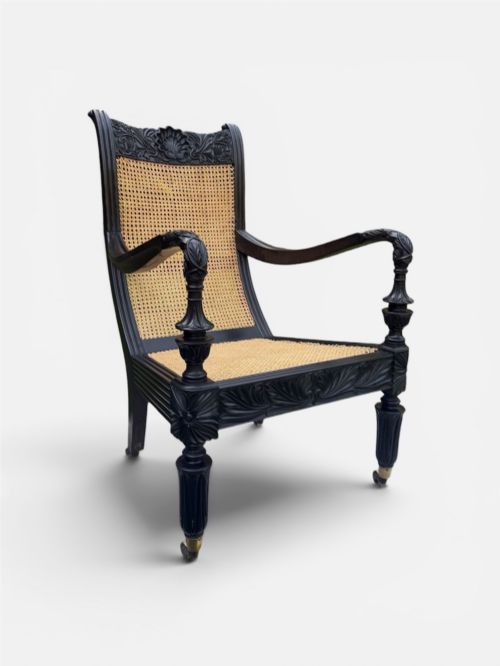
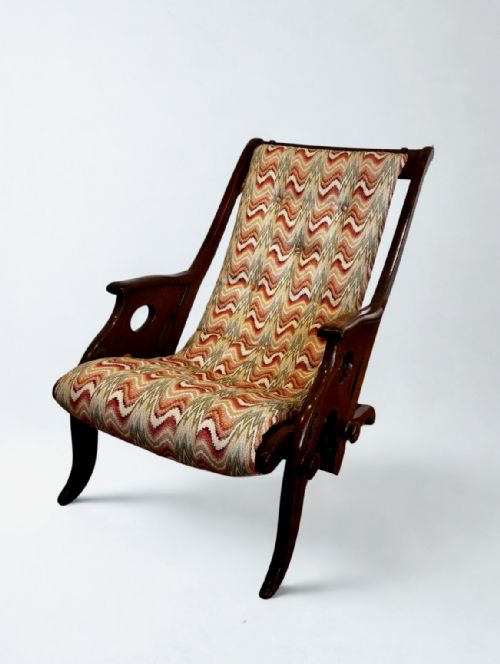
The selections recorded here reflect varied aesthetic influences, including French Rococo Revival, Arts and Crafts, Anglo-Indian, and Colonial Campaign styles. These forms emerged across the nineteenth century, utilising diverse timbers and upholstery fabrics to suit formal drawing rooms and private libraries alike.
Materials and Construction
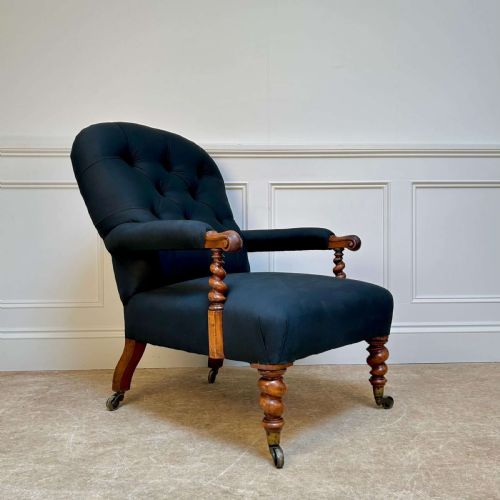
Makers utilised dense hardwoods such as mahogany, walnut, rosewood, and satinwood to construct sturdy frames capable of supporting elaborate carved details. These timbers often received polished finishes that highlighted natural grain patterns across armchairs and daybeds.
Upholstered elements incorporated durable textiles, leather, velvet, damask, and cane seating supported by brass and wooden frameworks. Adjustable mechanisms appeared in campaign chairs and daybeds, allowing modular adaptation for reclining or transport.
Victorian Lounge Furniture Retail Price Guide 2026
Typical asking prices for victorian lounge furniture among the pieces listed under this phrase on Sellingantiques today, from the lower quarter to the upper quarter. They describe what is for sale here now, not the wider market.
Distinctions in Quality
Quality diverges between standard commercial output and pieces bearing specific maker attributions, such as Howard & Sons or Hindley & Sons. Superior examples demonstrate refined cabinetmaking in carved walnut and mahogany, alongside precise joinery.
The integrity of original upholstery materials, cane work, and adjustable brass hardware dictates the standing of a piece within the range. Execution of decorative carving, from lion paw feet to Rococo scrolls, separates utilitarian seating from high-status commissions.
Hindley & Sons·Howard & Sons·J. Herbert McNair·Holland & Sons·Jas Shoolbred·Hampton & Sons
The Victorian Lounge Furniture Glossary
- Chaise Longue
- An upholstered long chair designed for reclining, featuring a headrest at one end. These pieces typically display carved wooden frames in walnut or mahogany.
- Campaign Chair
- A portable, often folding or adjustable chair originally designed for military officers on the move. They frequently include brass hardware and secondary timbers.
- Ottoman
- A low, upholstered seat or box without arms or a back. Versions include reversible box designs intended for daybeds.
- Damask
- A reversible figured fabric woven on a jacquard loom, commonly utilised for nineteenth-century upholstery. It provides a patterned textile finish for suites and chairs.
- Cane Seating
- Woven rattan or split cane used to form breathable seat and back panels. This technique appears on rosewood and colonial frames.
Victorian Lounge Furniture: Frequently Asked Questions
What defines a Victorian daybed?
A Victorian daybed combines a seating platform with an integrated headrest, built for reclining during daytime hours.
These pieces utilise timber frames ranging from mahogany to ebonised wood, often paired with upholstered cushions or cane panels.
How do campaign chairs differ?
Campaign chairs feature folding or adjustable frames designed for portability during nineteenth-century military operations.
They incorporate brass mounts, collapsible legs, and robust hardwoods like mahogany or rosewood.
Where were salon suites used?
Salon suites served as matching seating arrangements for formal nineteenth-century reception rooms and drawing rooms.
They typically comprise a settee paired with matching armchairs, sharing unified carved walnut or mahogany frames and textile upholstery.
How can I identify nineteenth-century styles?
Identifying nineteenth-century styles requires examining timber choices, upholstery fabrics, and decorative carving motifs.
References to French Rococo Revival, Arts and Crafts, or Colonial patterns help date and classify individual items.