




Victorian London Art
Victorian London art brings together paintings, watercolours and craft pieces that capture the capital through the nineteenth century.
Victorian London Art
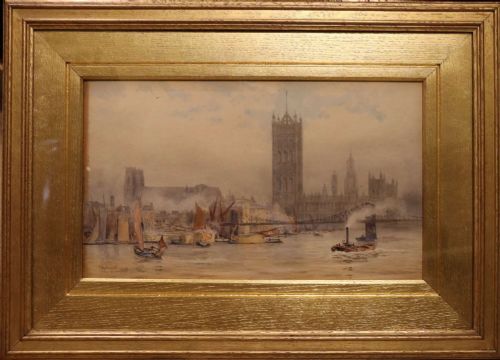
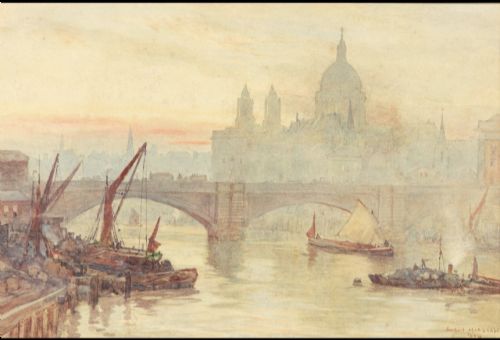
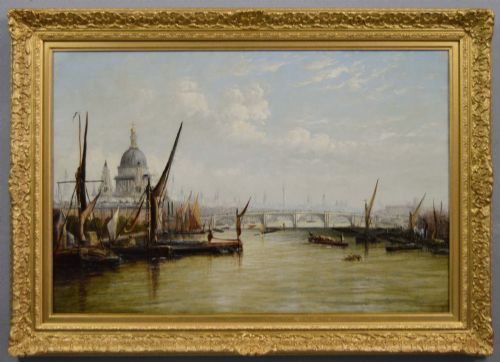
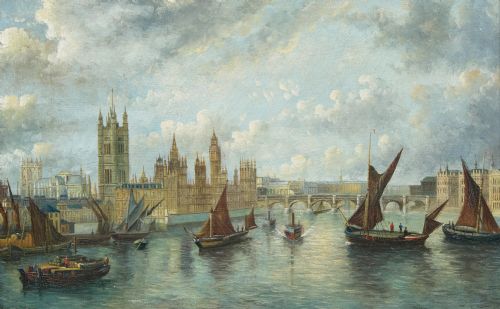
Victorian London art encompasses original watercolours, oil paintings and framed prints depicting landmarks such as St Pauls Cathedral, the River Thames and the Houses of Parliament. Buyers examining this category encounter topographical works by named artists alongside decorative items linked to the capital.
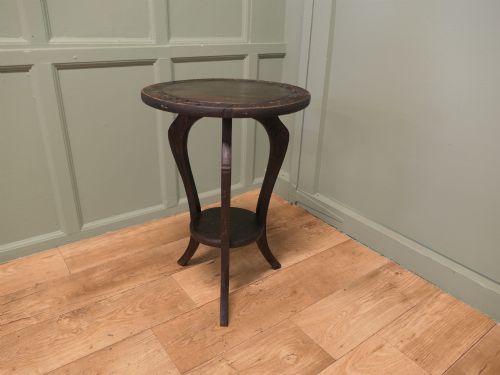
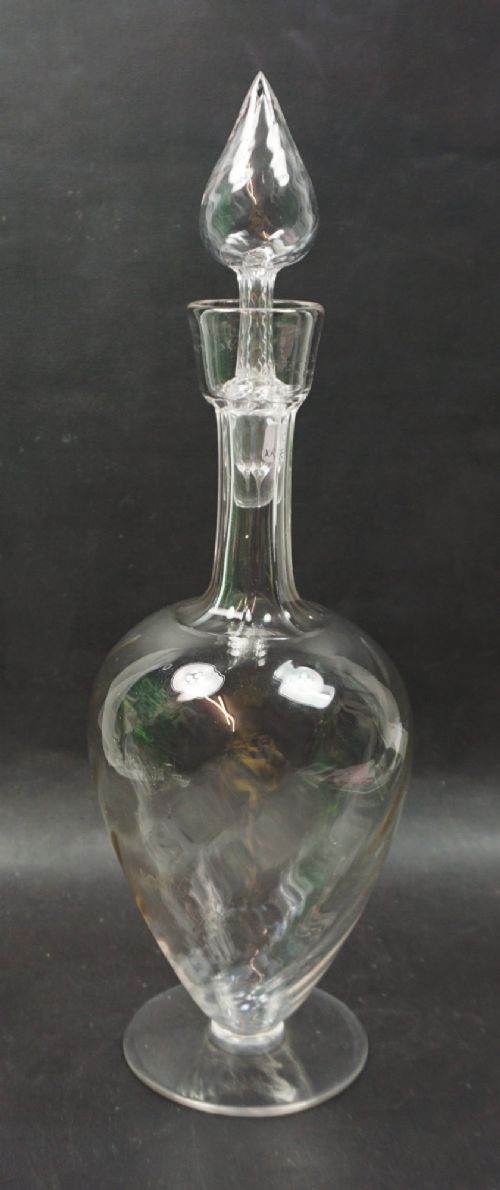
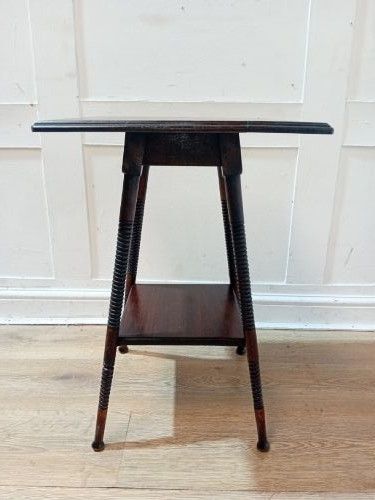
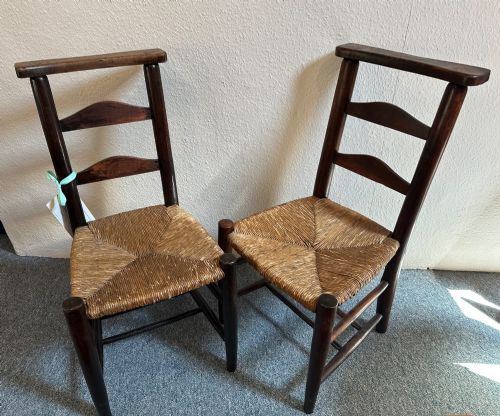
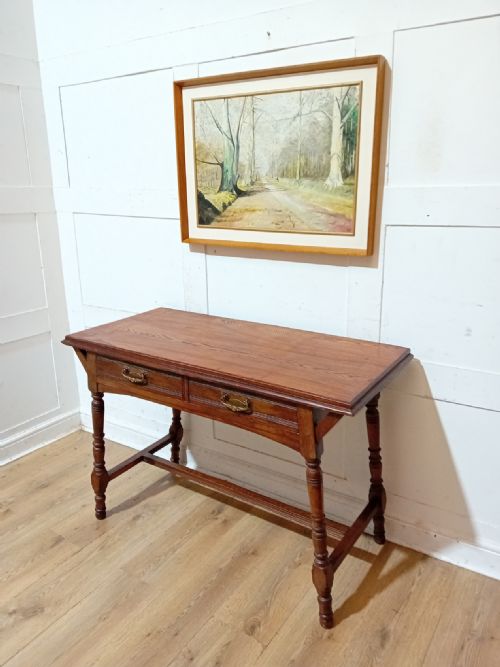
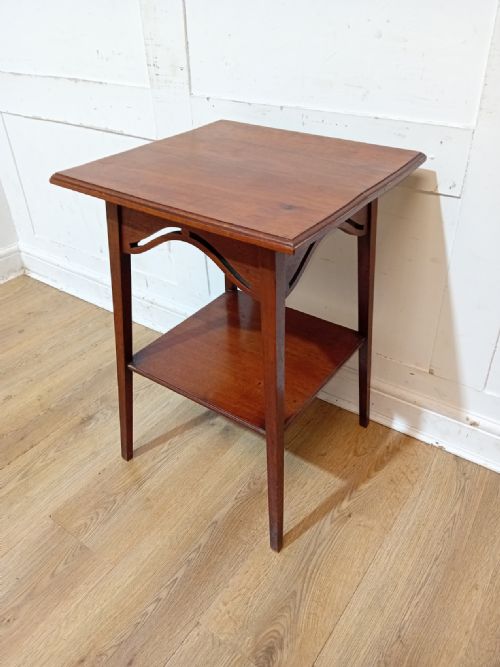
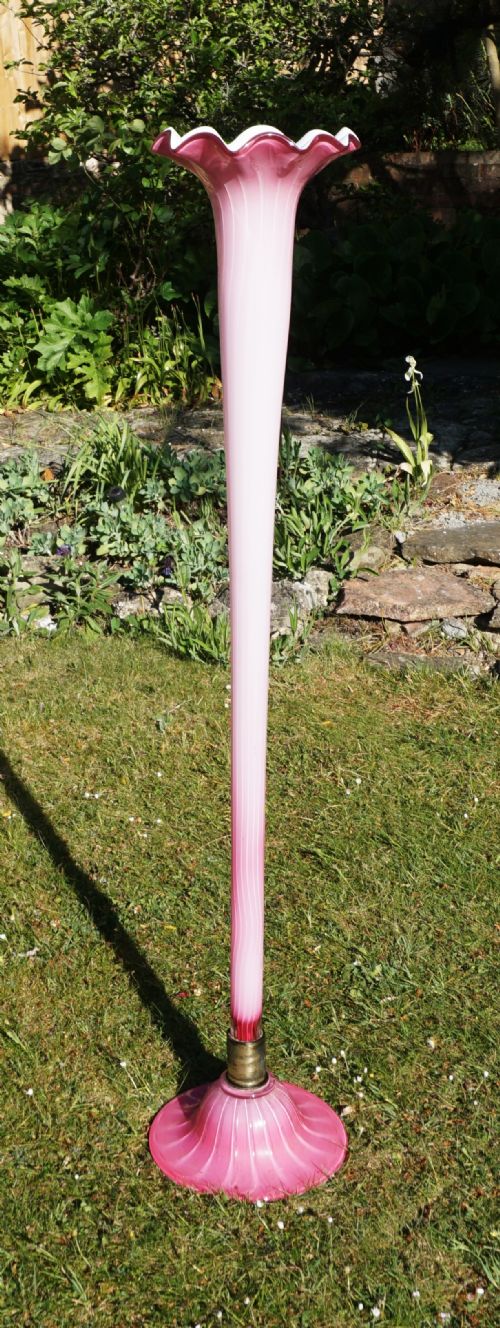
The selection frequently includes furniture and decorative objects from firms rooted in the city during the nineteenth century. Pieces range from watercolours on paper to side tables and glassware produced across the Victorian and Edwardian eras.
Materials and construction
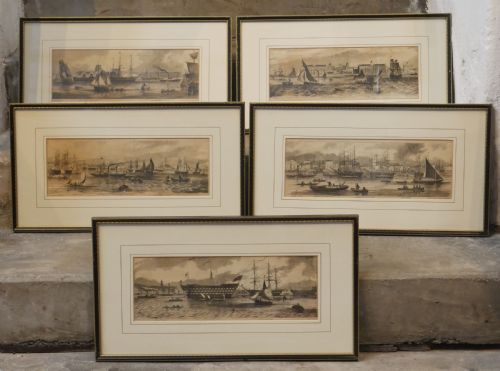
Works on paper utilise watercolour and ink applied to watercolour paper, while oil paintings employ oil on canvas. Framed prints and engravings record topographical views of London docks and streets using traditional printmaking methods on paper.
Victorian London Art Retail Price Guide 2026
Typical asking prices for victorian london art among the pieces listed under this phrase on Sellingantiques today, from the lower quarter to the upper quarter. They describe what is for sale here now, not the wider market.
Some nineteenth century London watercolours capture persistent city fog so convincingly that viewers instinctively reach for an umbrella.
Distinguishing quality
Quality rests upon the skill of the artist or maker, seen in the precision of a watercolour brushstroke or the joinery of an Arts and Crafts table. Works by documented painters and established London retailers command greater attention than anonymous studio pieces.
Condition and originality dictate standing within the category. Intact surfaces on period furniture, strong pigment preservation in works on paper and clear attribution elevate individual items above standard production.
James Powell·William James Hubard·Francis Moltino·William Birch·Thomas G Appleton·Ford Madox Brown·Harris Lebus·Gregory And Co
The Victorian London Art Glossary
- Watercolour
- A painting method using water-soluble pigments on paper. This medium captures translucent effects suited to Thames river scenes and atmospheric London views.
- Arts and Crafts
- A design movement prioritising traditional craftsmanship and simple forms. Furniture and decorative objects from this style often originate from London workshops.
- Engraving
- A printmaking technique where an image is cut into a metal plate. These works record historical London streetscapes and architecture in monochrome detail.
- Cased glass
- Glassware formed with distinct layers of differing colours. London makers utilised this technique for decorative vases and decanters.
- Topographical art
- Depictions of specific real-world locations and buildings. These works serve as visual records of nineteenth-century London geography.
Victorian London Art: Frequently Asked Questions
What subjects appear most often in these paintings?
Paintings and watercolours primarily depict the River Thames, bridges, Westminster, and city landmarks like St Pauls Cathedral.
Artists focused on changing light over the water, shipping traffic, and bustling London thoroughfares during the Victorian period.
Were these watercolours intended for framing?
Watercolours on paper were typically framed to protect the delicate pigments from dust and light exposure in Victorian homes.
Original framing often complements the period of the artwork, preserving the paper surface beneath glass.
What distinguishes an engraving from an oil painting?
Engravings are printed impressions pulled from metal plates, allowing multiple monochrome copies of architectural views or historical events to be circulated.
Oil paintings are unique works executed directly on canvas with thick, layered pigments that offer rich colour and texture.