





Victorian Locking Box
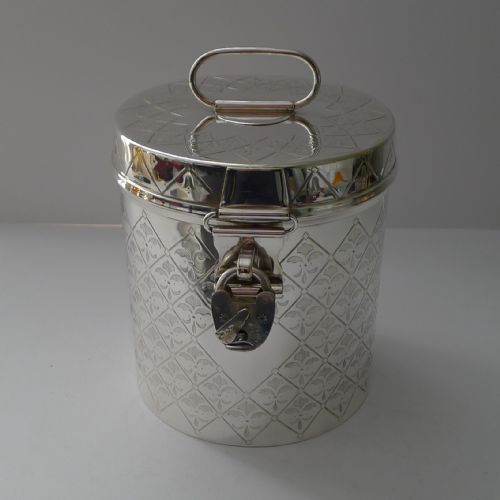
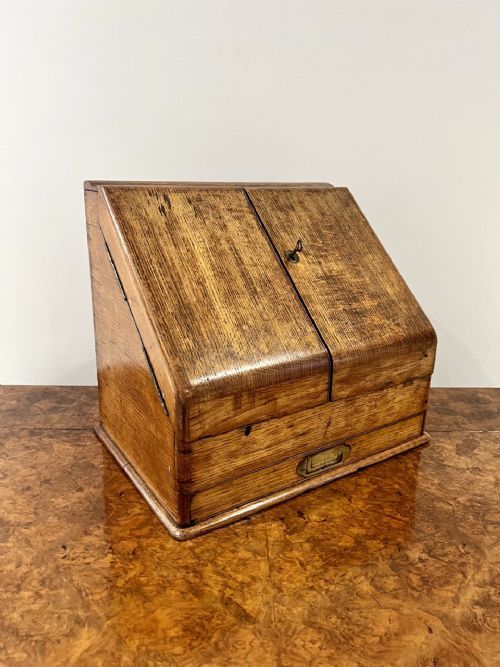
A victorian locking box secures private papers, precious spirits and small treasures behind a working key and brass mechanism.
Victorian Locking Box
A victorian locking box encompasses a varied group of utilitarian objects designed to safeguard valuables, correspondence and beverages within domestic and professional spaces.
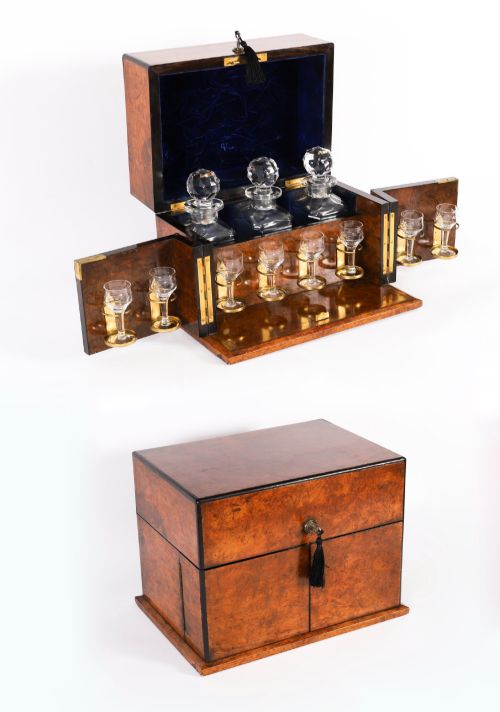
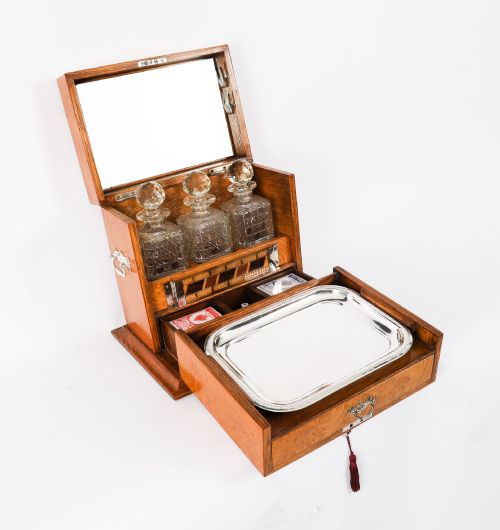
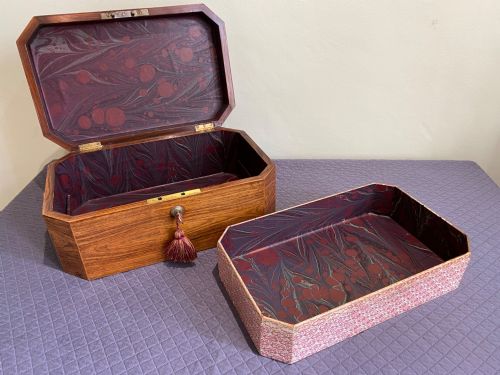
The selections on this page span several distinct forms, most notably oak and walnut tantalus sets, stationery and correspondence boxes, fitted writing slopes, and heavy iron security safes.
Originating largely from the nineteenth century, these pieces reflect the period's preoccupation with order, privacy and secure storage for daily necessities.
Materials and Construction
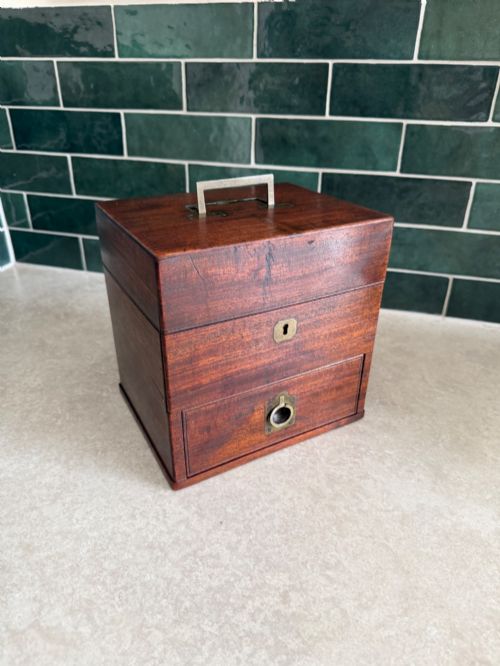
Cabinet makers utilised dense hardwoods such as oak, walnut, rosewood and mahogany, frequently constructing carcasses with visible dovetail joints and decorative veneers.
Security relied upon specialised hardware, incorporating brass mounts, heavy cast iron, and complex mechanisms like Bramah locks operated by dedicated keys.
Victorian Locking Box Retail Price Guide 2026
Typical asking prices for victorian locking box among the pieces listed under this phrase on Sellingantiques today, from the lower quarter to the upper quarter. They describe what is for sale here now, not the wider market.
Some document boxes managed to lock away gossip before the invention of the group chat.
Evaluating Craftsmanship
Quality rests upon the integrity of the timber selection, such as figured or pollard grain, and the precision with which interior compartments and secret drawers are fitted.
The sophistication of the locking mechanism and the survival of the original working key elevate an ordinary receptacle into a piece of superior workshop production.
Mappin and Webb·Milners of Liverpool·Waring and Sons·George Price·Chubb
The Victorian Locking Box Glossary
- Tantalus
- A locking drink cabinet holding decanters visible yet physically restricted without a key. This clever device prevented unauthorised sampling of spirits by servants or guests.
- Writing slope
- A portable desk folding open to reveal an angled writing surface and storage wells. Inside, hidden compartments provided private space for stamps and letters.
- Bramah lock
- A high-security cylindrical lock patented in the eighteenth century. Collectors prize these complex mechanisms for their exceptional pick resistance and precision engineering.
- Caddy
- A small container originally designed for storing tea leaves under lock and key. Tea was a costly commodity in the nineteenth century, requiring strict domestic control.
Victorian Locking Box: Frequently Asked Questions
How do I open a box with a missing key?
A qualified locksmith or specialist restorer can often pick historical locks or impression a new key without damaging the surrounding timber or brass.
Forced entry destroys the integrity of the mechanism and diminishes the historical value of the piece.
What is the purpose of a tantalus?
A tantalus secures glass decanters of spirits within a locking wooden frame that prevents pouring while displaying the bottles.
Victorian hosts used them in studies and dining rooms to restrict access to expensive liquors.
How should I clean a leather writing box?
Leather interiors and bindings require gentle dusting with a dry cloth and occasional treatment with specialist conservation wax.
Water and modern chemical cleaners cause irreversible staining and dry out aged hide.
Are secret drawers common in slopes?
Many writing slopes and stationary boxes incorporate concealed compartments released by sliding panels or hidden spring catches.
These tiny spaces were designed to safeguard private letters, currency and jewellery.