



Victorian Leaf Extension Table
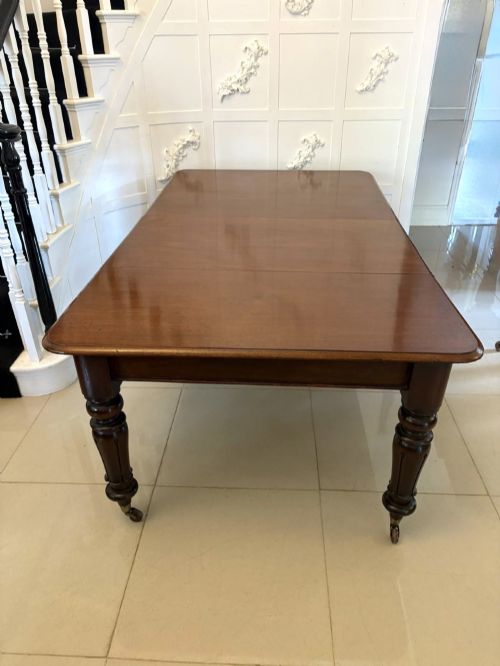
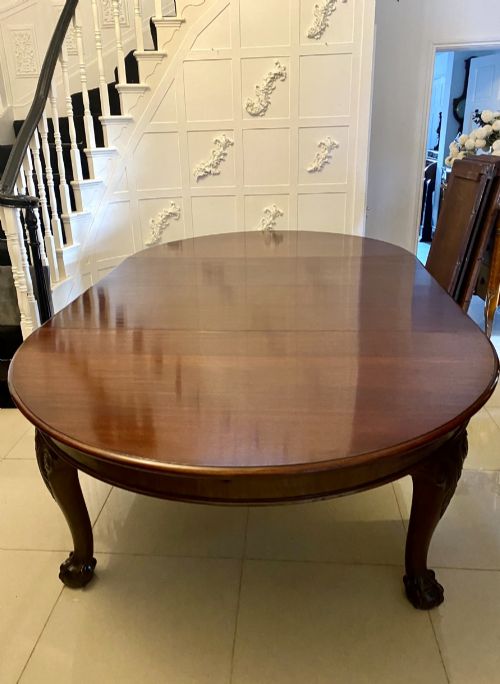
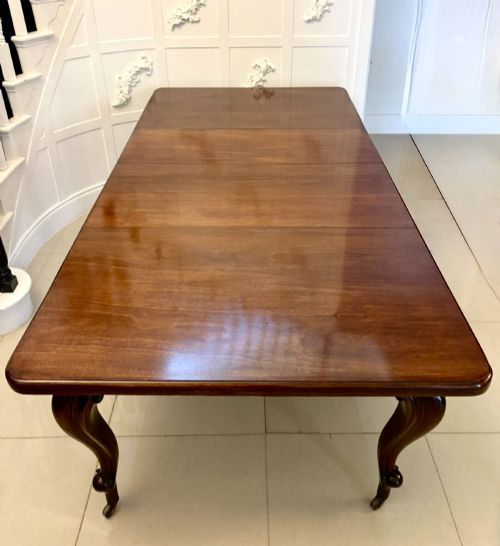
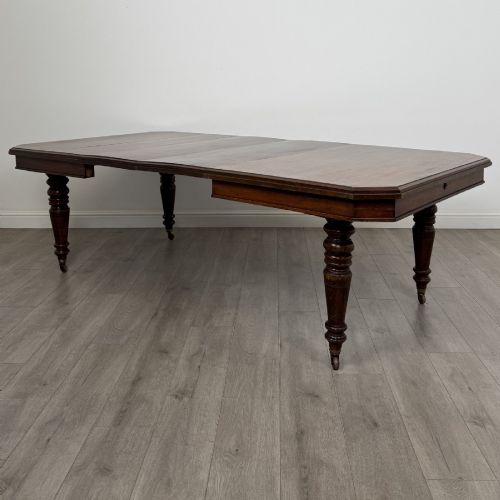
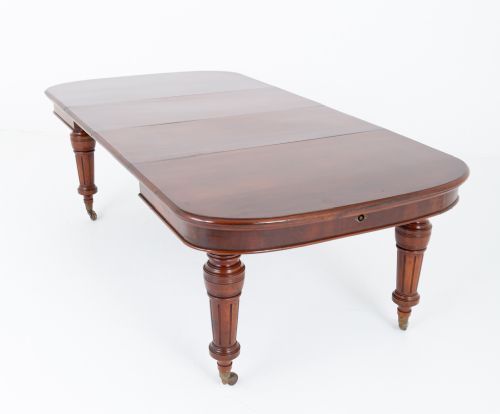
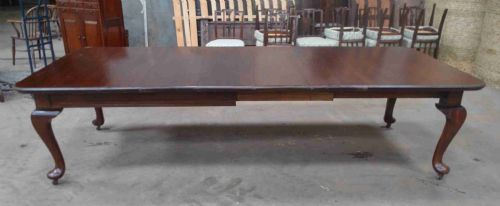
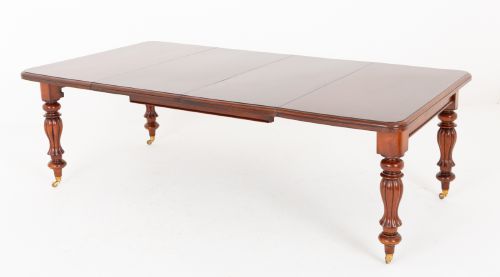
A victorian leaf extension table brings period dining character and practical size adjustment to a room.
Victorian Leaf Extension Table
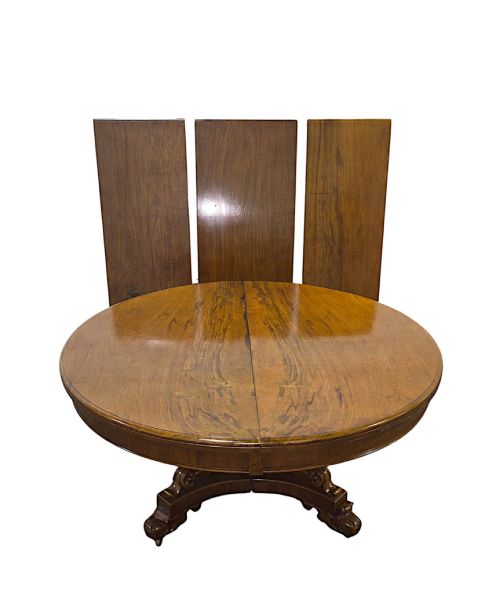
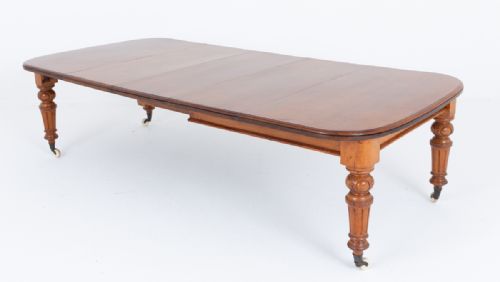
A victorian leaf extension table is a dining table designed to accommodate removable leaves for length adjustment. The pieces on this page span the nineteenth century, including Victorian, Regency, and William IV periods, alongside specific dates from eighteen-fifty to nineteen-hundred.
Most examples function primarily as dining tables with occasional tables appearing among the inventory. Materials range from mahogany and oak to walnut, pine, and pollard oak, reflecting standard nineteenth-century cabinet making.
Stylistic variations encompass standard Victorian designs, Gothic revival, rustic country, and Georgian revival interpretations. These pieces vary from two-leaf formats up to massive five-leaf tables and fourteen-foot lengths designed to seat ten or more guests.
Assessing build and finish
Quality rests upon the selection of timber, such as pollard oak or figured mahogany, and the precision of the extending mechanism. Smooth operation of the leaves and sturdy pillar or leg supports indicate superior craftsmanship.
The presence of original leaves matching the grain and colour of the main top elevates a piece. Fine carving on the base and good timber selection distinguish standard workshop output from exceptional cabinet work.
Victorian Leaf Extension Table Retail Price Guide 2026
Typical asking prices for victorian leaf extension table among the pieces listed under this phrase on Sellingantiques today, from the lower quarter to the upper quarter. They describe what is for sale here now, not the wider market.
One listed table stretches to a remarkable fourteen feet using pollard oak.
The Victorian Leaf Extension Table Glossary
- Leaf
- A removable section of timber used to extend the length of a dining table. These are stored separately when not in use.
- Extending table
- A dining table designed with a mechanism or slide system to pull apart and accept additional leaves.
- Pollard oak
- Oak timber taken from trees that have been pollarded, producing a decorative and knotted grain pattern. It was utilised for high-status nineteenth-century furniture.
- Scrub top
- A plain wooden tabletop left unfinished or scrubbed clean, typically found on utilitarian kitchen and work tables. It provides a durable surface for food preparation.
- Pembroke table
- A small occasional table with hinged drop leaves on two opposing sides supported by folding brackets.
Victorian Leaf Extension Table: Frequently Asked Questions
How do extension leaves work?
The table frame pulls apart on a slide mechanism to create a central gap. Additional wooden leaves drop into this space to increase the overall length.
Latches or brass clips underneath secure the leaves in place to keep the surface stable during use.
How many people do these seat?
Seating capacity depends on the number of leaves and the overall length of the table. Standard two-leaf variants typically seat six to eight guests comfortably.
Larger formats with four or five leaves, measuring up to fourteen feet, accommodate ten or more people for dining.
What woods were commonly used?
Mahogany is the predominant timber found across these nineteenth-century dining tables. Oak, walnut, and pollard oak also appear frequently in various regional styles.
Pine and scrub top variations generally relate to kitchen or utility tables rather than formal dining rooms.
How do I care for the surface?
Keep nineteenth-century timber surfaces away from direct heat sources and strong sunlight to prevent splitting or fading. Use coasters and placemats to protect the polished wood from moisture and heat damage.
Apply appropriate wax polish periodically to maintain the finish of the mahogany, oak, or walnut.