




Victorian Lacquer Lamp
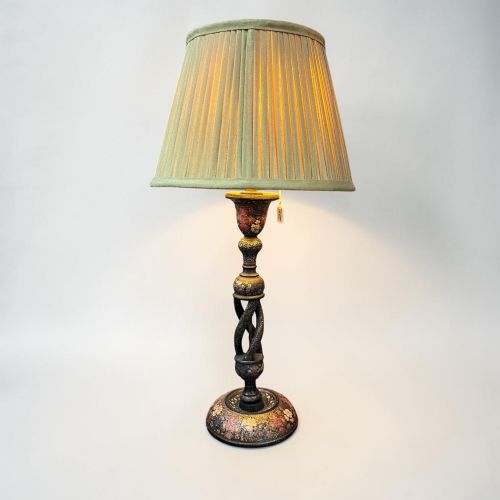
These victorian lacquer lamp pieces and related tables bring dark, painted surfaces and exotic motifs straight into a modern room.
Victorian Lacquer Lamp
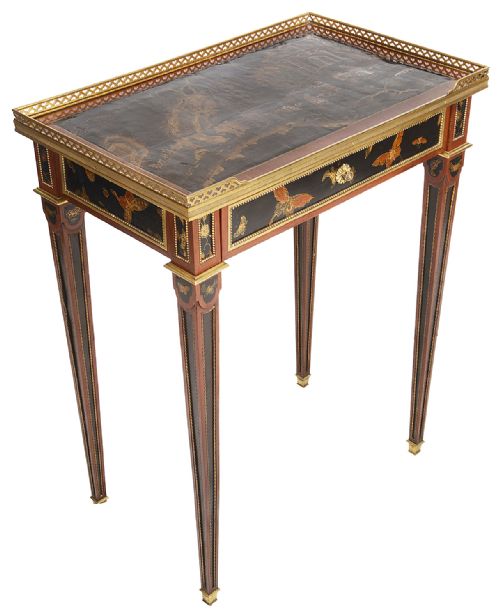
A victorian lacquer lamp search reveals nineteenth-century lighting and accompanying tables sharing dark finishes and orientalist decoration. The listings combine standard floor lamps and table lamps with occasional, side, wine, and tea canister tables that often feature lacquer panels or bamboo frames.
Most examples found here date across the nineteenth century, including specific decades such as eighteen-seventy and eighteen-eighty alongside broader Victorian and nineteenth-century designations. These items emerge from English workshops embracing Chinoiserie and Aesthetic Movement tastes, merging functional furniture with decorative painted surfaces.
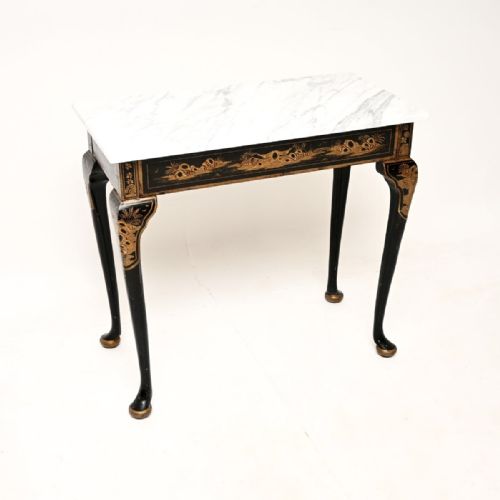
Buyers encounter standard lamps and table lamps alongside bamboo side tables and wine tables fitted with ebonised tripartite bases or marble tops. This mix reflects how nineteenth-century interiors utilised dark lacquer and bamboo to create striking focal points in sitting rooms.
How they were made
Craftsmen built these pieces using timber, bamboo, and brass, applying lacquer finishes and gold leaf details to create contrasting surface textures. Structural elements rely on sturdy wooden frames and natural bamboo stems shaped into side tables, standard lamps, and multi-tiered stands.
The decorative surfaces combine traditional lacquer techniques with Chinoiserie painting and gold leaf application upon wood or panel inserts. Some tables integrate inset marble tops or ebonised tripartite bases, pairing heavy stone with lighter bamboo supports.
Victorian Lacquer Lamp Retail Price Guide 2026
Typical asking prices for victorian lacquer lamp among the pieces listed under this phrase on Sellingantiques today, from the lower quarter to the upper quarter. They describe what is for sale here now, not the wider market.
Listings combine lighting with occasional, side, wine, and tea canister tables spanning the nineteenth century.
What varies in quality
The sophistication of the painted Chinoiserie scenes and the crispness of the gold leaf application distinguish finer pieces from simpler utilitarian items. Richer examples display intricate orientalist motifs across their lacquer panels and painted standard lamp columns.
Material selection and structural integration also mark the distinction between standard and superior pieces, particularly where bamboo framing meets fitted marble tops or ebonised wooden bases. Better craftsmanship shows in the seamless joining of mixed media like brass, timber, and lacquer.
The Victorian Lacquer Lamp Glossary
- Chinoiserie
- European interpretation and imitation of Chinese and East Asian artistic traditions, prominent in the painted decoration of these lamps and tables. This style frequently employs motifs of landscapes, figures, and pavilions rendered in gold leaf on dark lacquer.
- Aesthetic Movement
- Nineteenth-century artistic movement promoting art for art's sake, which influenced the design of bamboo and lacquered furniture. Pieces from this period often emphasise form and decorative surface over heavy historic revivalism.
- Lacquer
- Protective and decorative resin finish applied in multiple layers to wood surfaces, providing a smooth, polished sheen. It serves as the primary ground for painted Chinoiserie ornamentation.
- Ebonised
- Wood treated to imitate ebony, creating a dense black finish used on table bases and structural mounts. This dark tone contrasts sharply with gold leaf and colourful lacquer panels.
Victorian Lacquer Lamp: Frequently Asked Questions
What materials make up a victorian lacquer lamp?
The listings show these pieces constructed from wood, bamboo, and brass, finished with lacquer and gold leaf.
Some variations also incorporate marble tops and ebonised wooden bases to support the lamp fixtures and occasional tables.
How do I identify Aesthetic Movement pieces?
Aesthetic Movement items typically feature bamboo frames and lacquered surfaces produced during the nineteenth century.
They reject heavy Victorian ornamentation in favour of slender structures and orientalist Chinoiserie motifs.
Where were these lamps and tables used?
Nineteenth-century interiors utilised these floor lamps, table lamps, and side tables in principal reception rooms.
Their decorative surfaces and exotic motifs were intended to catch the eye and display cultivated taste.
What is a standard lamp?
A standard lamp is a tall floor-standing lighting fixture designed to illuminate a specific area of a room.
Victorian versions often feature painted decoration or standard lamp columns matching the aesthetic of companion occasional tables.