




Victorian Iron Arch
A victorian iron arch offers structural presence and enduring metalwork, bringing nineteenth-century architectural character directly to a garden or interior.
Victorian Iron Arch
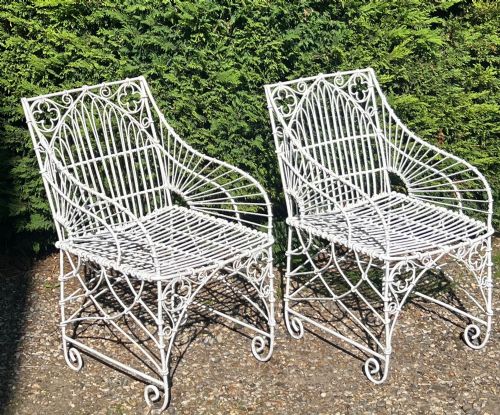
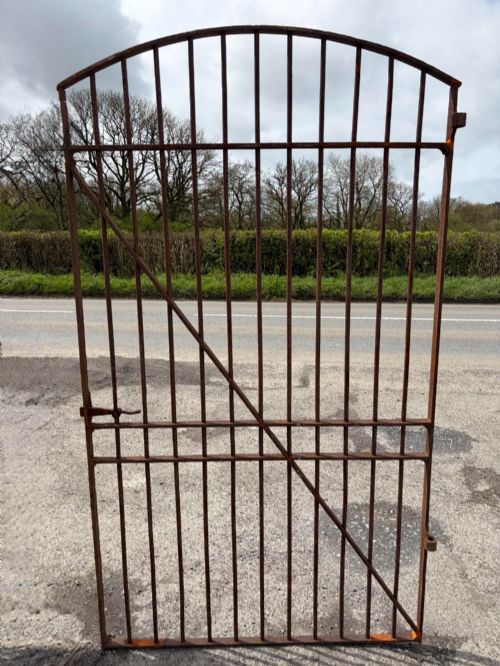
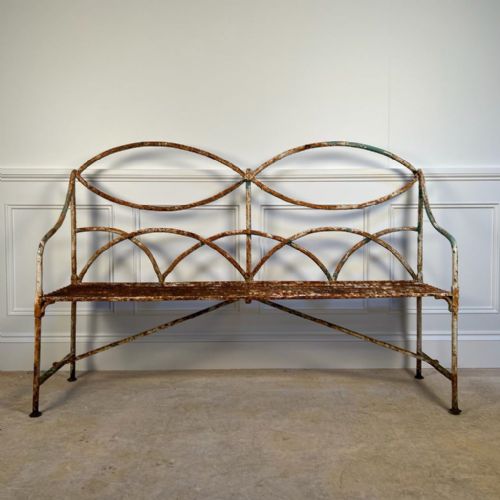
When you search for a victorian iron arch, you are looking at substantial metalwork spanning the nineteenth century and early twentieth century. These pieces encompass garden arches, entrance arches, and arched architectural salvage designed to shape outdoor and indoor spaces.
The versions you are most likely to meet on this page lean heavily towards nineteenth-century origins, gothic revival details, and robust structural forms. They originate from an era when metalwork served both utilitarian and highly decorative architectural purposes.
How they were made
The construction relies heavily on cast iron and wrought iron, forged and cast into rigid architectural frameworks. Artisans utilised lead, paint, and wirework elements to finish and protect the metal surfaces against the elements.
Many examples incorporate riveted construction and detailed moulding, reflecting traditional blacksmithing and foundry techniques of the period.
Victorian Iron Arch Retail Price Guide 2026
Typical asking prices for victorian iron arch among the pieces listed under this phrase on Sellingantiques today, from the lower quarter to the upper quarter. They describe what is for sale here now, not the wider market.
Listings feature items spanning the 19th Century, Victorian period, and early 20th Century, constructed from cast iron, wrought iron, and wirework.
What varies in quality
Quality rests in the crispness of the iron casting, the complexity of the gothic revival decorative motifs, and the integrity of the original metal structure. Heavier gauge iron and cleaner rivet work distinguish the superior items.
The presence of early paint layers and untouched surface patination adds considerable merit to a piece, separating standard utility items from finer architectural examples.
The Victorian Iron Arch Glossary
- Cast iron
- A strong, hard iron-carbon alloy produced by pouring molten metal into a mould. It allows for intricate ornamentation on architectural panels and brackets.
- Wrought iron
- Tough, malleable iron that is beaten or bent into shape while hot. It provides the strong linear framework for gates and structural arches.
- Architectural salvage
- Building components rescued from older structures for reuse. Items like church windows, grilles, and arches find new life in modern settings.
- Gothic revival
- An architectural style popular during the nineteenth century. It draws inspiration from medieval design, featuring pointed arches and ornate foliate patterns.
Victorian Iron Arch: Frequently Asked Questions
Where should I place a victorian iron arch?
These pieces suit exterior garden settings as focal points or entranceways. They establish strong vertical lines among plantings.
Interior placement works well against large walls or as architectural dividers in spacious rooms.
How do I identify a nineteenth-century piece?
Examine the metal texture for signs of traditional casting methods and hand-forged rivet work. Nineteenth-century items often display heavier iron gauges than later reproductions.
Look for gothic revival stylistic cues and period-specific paint layers that indicate genuine age.
Are these arches weatherproof?
Iron structures withstand outdoor conditions naturally, though regular inspection for weathering helps preserve the material. Protective coatings maintain the metal surface over decades.
Unsheltered placement outdoors will develop a natural oxide patina over time.
What is architectural salvage?
This category includes rescued elements from historic buildings, such as windows, grilles, and arches. These items preserve craftsmanship from earlier eras.
Using salvage pieces brings authentic period character into contemporary residential designs.