




Victorian Hearth Seat
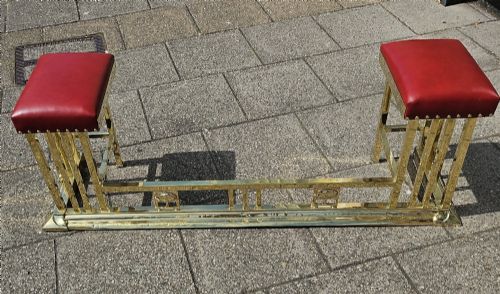
A victorian hearth seat provides low fireside perching, combining sturdy timber frames or heavy metal fender bases with upholstered leather tops.
Victorian Hearth Seat
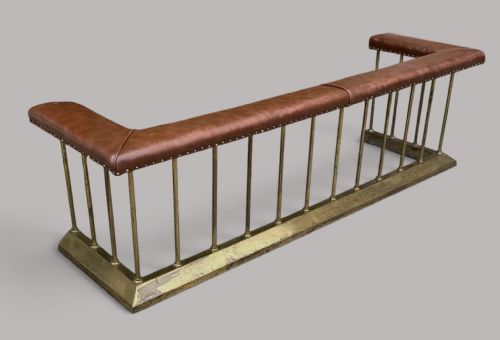
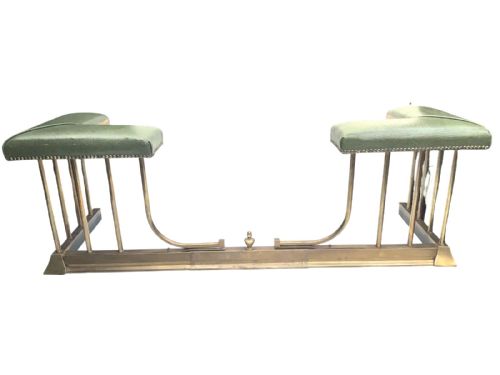
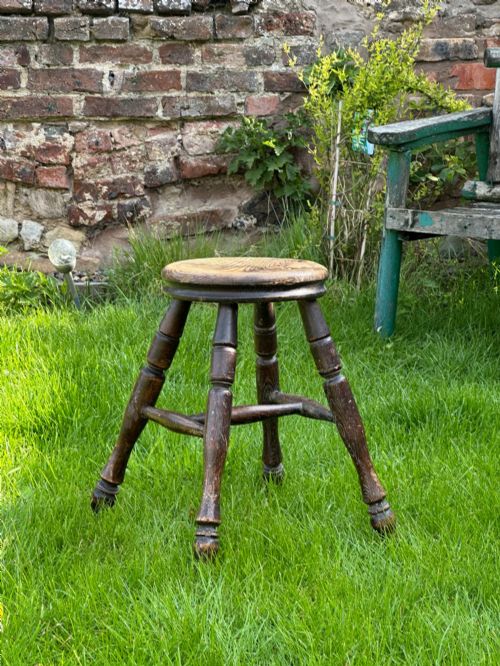
When searching for a victorian hearth seat, buyers encounter a mix of low stools, fender seats, and fireside furniture designed for placement directly beside a domestic fireplace. The most common forms on this page include brass or steel club fenders fitted with leather seating pads, alongside traditional wooden stools and low chairs.
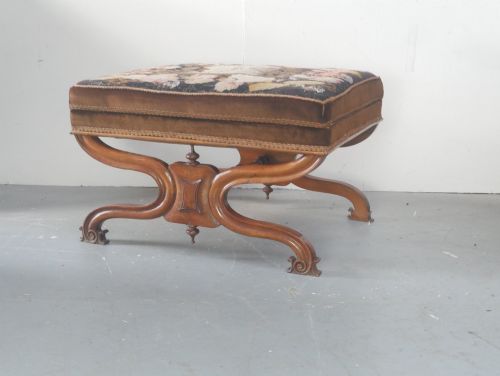
The selection ranges from simple vernacular elm and beech country pieces to formal carved walnut, mahogany, and rosewood stools bearing needlepoint or ebonised finishes. Alongside seating, the category occasionally encompasses related fireside ornaments such as Staffordshire earthenware spaniel figures.
Origins span the nineteenth century into the early twentieth century, incorporating regional styles like Scottish Baronial and traditional vernacular alongside classic Victorian and Edwardian manufacturing.
How they were made
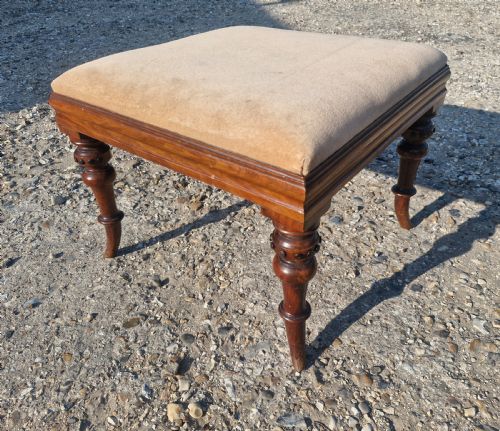
Frames rely upon traditional cabinet timbers including oak, walnut, mahogany, elm, beech, and ash, frequently shaped through turning or carving. Metal components utilise brass, copper, steel, chrome, and wrought iron, particularly in the construction of robust club fenders.
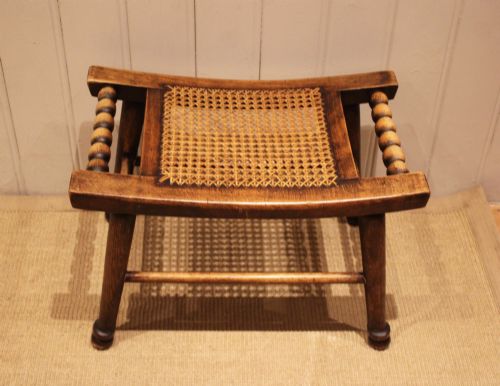
Seating portions are upholstered in mature leather, cane, or original needlepoint textiles, supported internally by the underlying wooden or metal structures.
Victorian Hearth Seat Retail Price Guide 2026
Typical asking prices for victorian hearth seat among the pieces listed under this phrase on Sellingantiques today, from the lower quarter to the upper quarter. They describe what is for sale here now, not the wider market.
What varies in quality
Quality differentiates through the choice of primary materials and the complexity of frame construction, moving from plain vernacular utility items to heavily carved walnut or substantial brass and leather assemblies. Fenders vary according to the weight of their metalwork and the condition of their upholstered top pads.
Refinement of detail distinguishes individual pieces, seen in carved cabriole legs, specialised wood selections such as rosewood, and integrated details like brass extenders or copper embellishments.
The Victorian Hearth Seat Glossary
- Club fender
- A low metal frame featuring upholstered corner seats or continuous top cushions designed to fit around a fireplace opening. These fixtures emerged in nineteenth-century country houses to provide comfortable fireside seating.
- Vernacular
- Everyday domestic objects made by regional craftsmen using locally available timber without high-style academic ornament. These pieces prioritise practical utility over fashionable design.
- Windsor
- A chair or stool construction method where turned legs and back spindles fit directly into a solid sculpted wooden seat. This technique creates robust, stable domestic seating.
- Ebonised
- Wood finished with a dark stain or lacquer to imitate expensive ebony. This treatment was popular during the Victorian period for formal household furniture.
Victorian Hearth Seat: Frequently Asked Questions
What is a club fender?
A club fender is a low metal structure built around a fireplace hearth, fitted with cushioned leather seats on top. It allows people to sit right beside the fire while protecting the room from sparks.
Most examples use brass or steel frames combined with tan or green leather upholstery pads.
How do I date a wooden stool?
Dating relies on identifying the primary wood species, construction methods, and stylistic details present in the frame. Nineteenth-century pieces frequently employ elm, beech, mahogany, or walnut depending on whether they originate from country workshops or formal urban cabinet makers.
Turning patterns and leg shapes, such as cabriole supports, provide further clues to the manufacturing period.
Are these seats comfortable for daily use?
These pieces were originally built for domestic fireside use, combining solid wooden frames or sturdy metal bases with padded leather or needlepoint tops. Their low height is specifically proportioned for sitting near a fireplace.
Upholstered surfaces vary in firmness depending on the condition of the padding and the materials used.
What woods were used?
Framing timbers include elm, oak, walnut, beech, mahogany, ash, and rosewood. Country pieces often utilise elm and beech, while formal examples feature mahogany and walnut.
Metals such as brass, copper, steel, and wrought iron appear frequently in fender constructions.