



Victorian Hardware
Victorian hardware brings functional weight and material richness to a room, offering everything from solid brass knockers to decorative door handles.
Victorian Hardware
Victorian hardware encompasses functional and decorative metalwork designed for doors, furniture, and windows during the nineteenth century. Buyers searching for Victorian hardware typically encounter robust brass, cast iron, and bronze objects ranging from utility hooks to elaborate knockers.
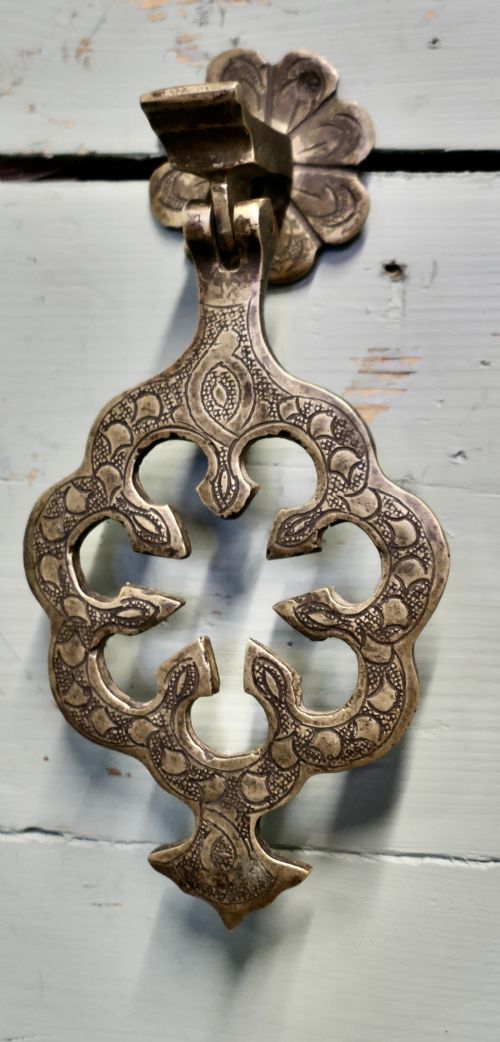
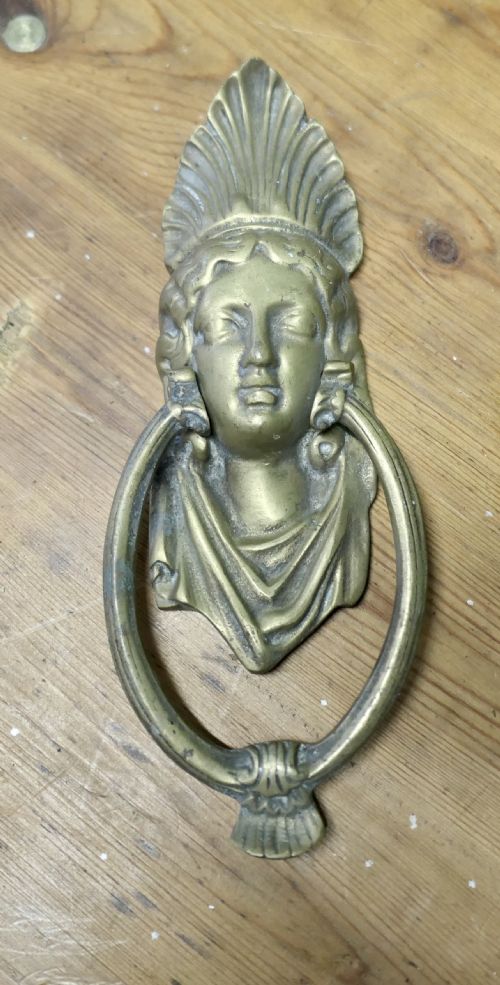
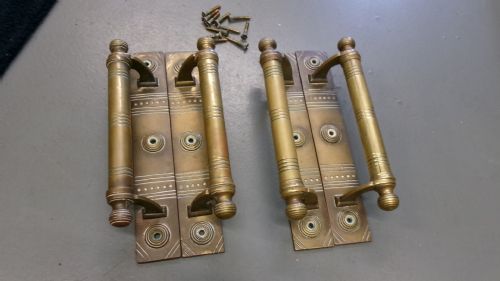
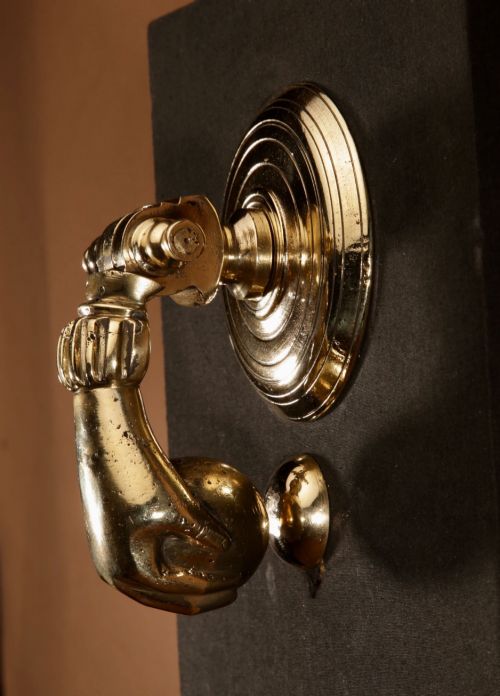
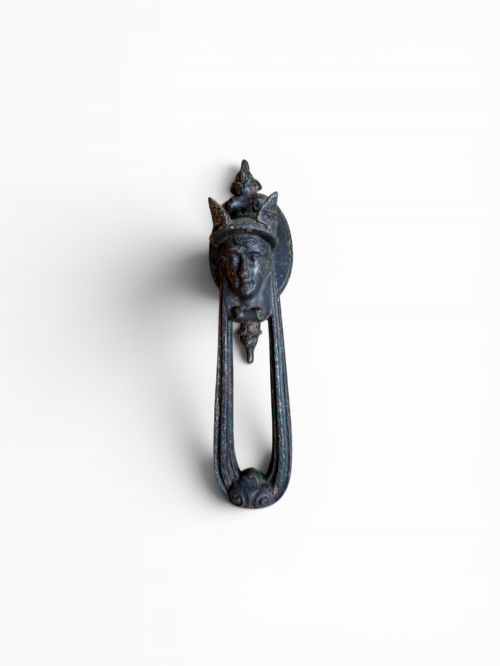
The selection includes specific forms such as door handles, coat hooks, curtain tiebacks, and heavy brass knockers shaped like hands, figures, or classical motifs. These items reflect the diverse stylistic revivals of the period, drawing on Gothic, French Rococo, and Arts and Crafts influences.
Most pieces date from the broader nineteenth century through the early twentieth century, utilising durable metals designed for everyday domestic use. The common versions found here emphasise tactile quality, substantial weight, and distinct architectural character.
How they were made
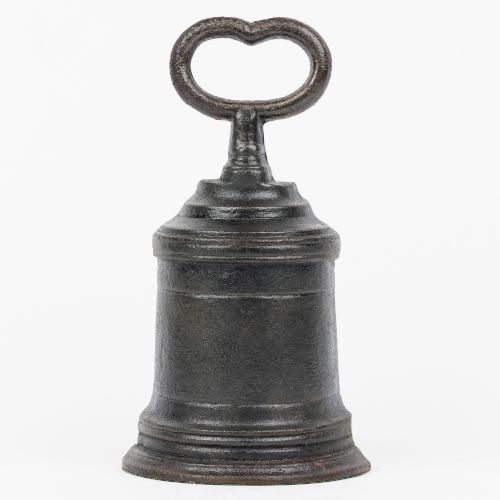
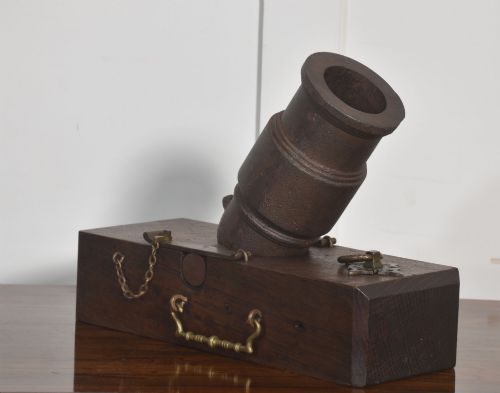
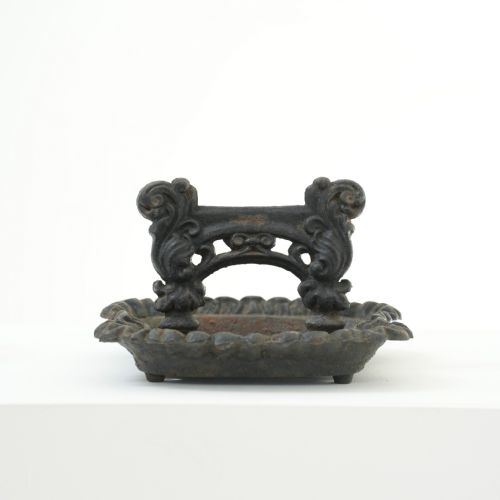
Makers utilised casting techniques for metals such as brass, cast iron, bronze, and ormolu, creating sturdy forms with sharp surface detail. Cast iron served heavy utility items like boot scrapers and signal mortars, while brass and bronze lent themselves to decorative knockers, handles, and plates.
Composites of metal and other materials frequently appear, combining brass mounts with blue glass, lead crystal, wood, or china components. This variety demonstrates how nineteenth-century manufacturers paired utilitarian metals with decorative inserts to enhance domestic interiors.
Listings feature hardware from the Victorian, Edwardian, and Arts and Crafts periods, utilising cast iron, brass, bronze, and glass.
What varies in quality
The quality of nineteenth-century metalwork depends heavily on the crispness of the casting and the depth of the finishing handwork. Finer examples display sharp relief on figural knockers and clean execution on mountings, whereas simpler utilitarian items prioritise robust function over ornament.
Material composition also dictates the tier of the piece, with solid cast brass and heavy bronze demanding greater skill than plated or secondary alloys. The integrity of associated components, such as original mounts and matching plates, elevates the standard of the hardware.
Archibald Kenrick & Sons·Jas Shoolbred·Gerwin & Co Birmingham
The Victorian Hardware Glossary
- Caryatid
- A sculpted female figure serving as an architectural support or decorative bracket. In door knockers, the figure often forms the main vertical handle.
- Ormolu
- Gilded bronze produced by applying a mercury-gilt mixture to cast bronze. This technique creates a rich golden finish seen on decorative mounts and tiebacks.
- Pelmet
- A framework placed above a window to hide curtain fixtures. These wooden or metal cornices were frequently paired with matching ornate tiebacks.
- Stock lock
- A heavy mechanical lock housed within a wooden case. These self-contained units were surface-mounted onto heavy doors during the nineteenth century.
Victorian Hardware: Frequently Asked Questions
How do I clean old brass hardware?
Old brass pieces benefit from gentle washing with warm soapy water and a soft cloth to remove surface dirt. Avoid harsh chemical polishes that strip away the aged patina accumulated over the centuries.
Preserving the natural oxidation maintains the historical character and visual depth of the metal. Dry the hardware thoroughly after cleaning to prevent spotting.
Were these knockers meant for exterior doors?
Many heavy brass and cast iron knockers were designed specifically for exterior entrance doors to withstand frequent daily use. Their substantial weight ensured an audible sound for visitors before the widespread adoption of electrical bells.
Smaller or more delicate figural versions occasionally served on interior doors or studies. Their placement depended entirely on the privacy and scale of the room.
How do I match antique handles to modern doors?
Matching older handles requires checking the spindle size and fixing hole spacing against modern door preparations. Many nineteenth-century mechanisms vary slightly from contemporary standards and may need minor adjustments during fitting.
Using matching backplates or finger plates can help cover existing screw holes from modern hardware. Professional installation ensures the vintage mechanism operates smoothly without damaging the door.